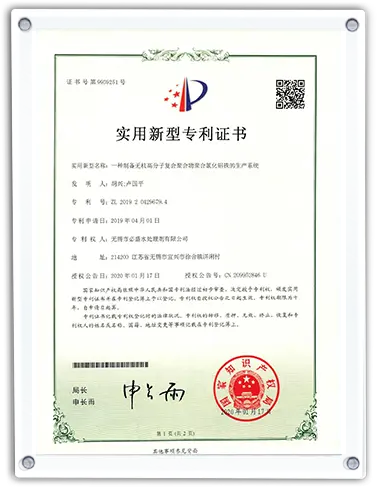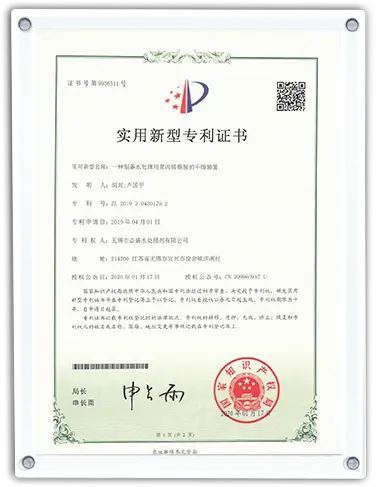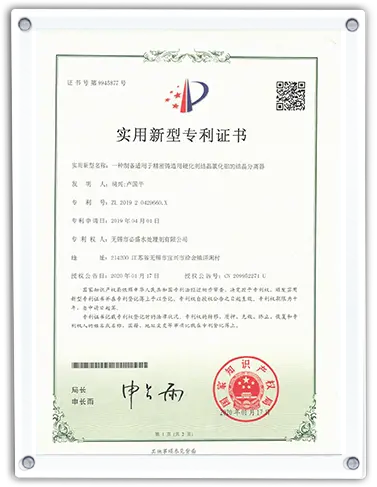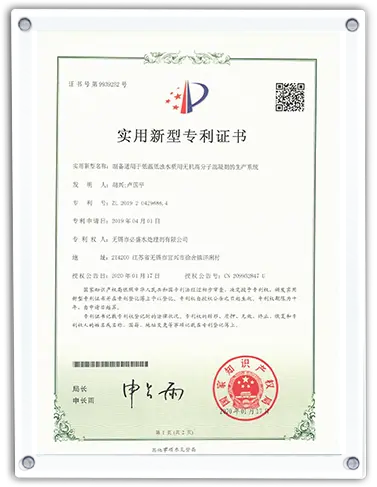
Wholesale Water Technology Solutions Suppliers & Factories

Decentralized Advanced Flocculants, High-Basicity Coagulants, and AI-Driven Environmental Chemical Supply Chains

Premium Water Purification Agent Collection

Explore our high-performance flocculation agents and chemical solutions engineered for ultra-turbidity reduction and strict environmental standard compliance.

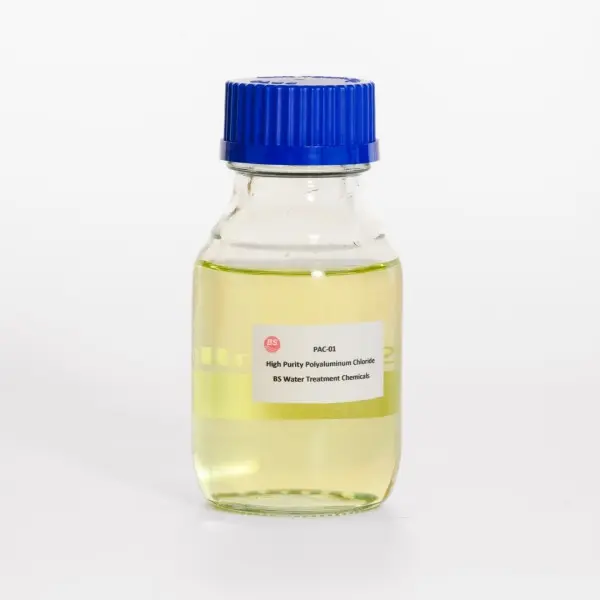
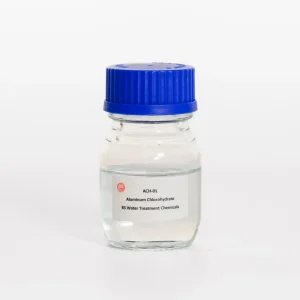
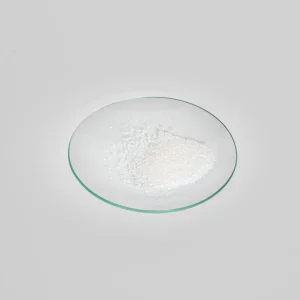
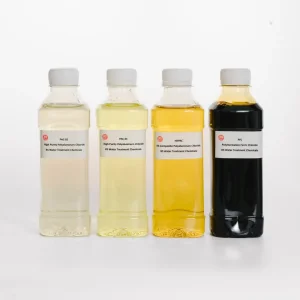
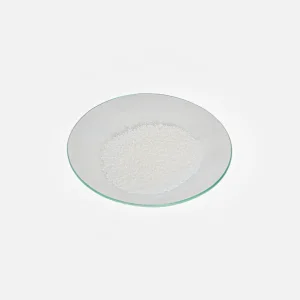
Wholesale High Purity Poly Aluminium Chloride PAC-01

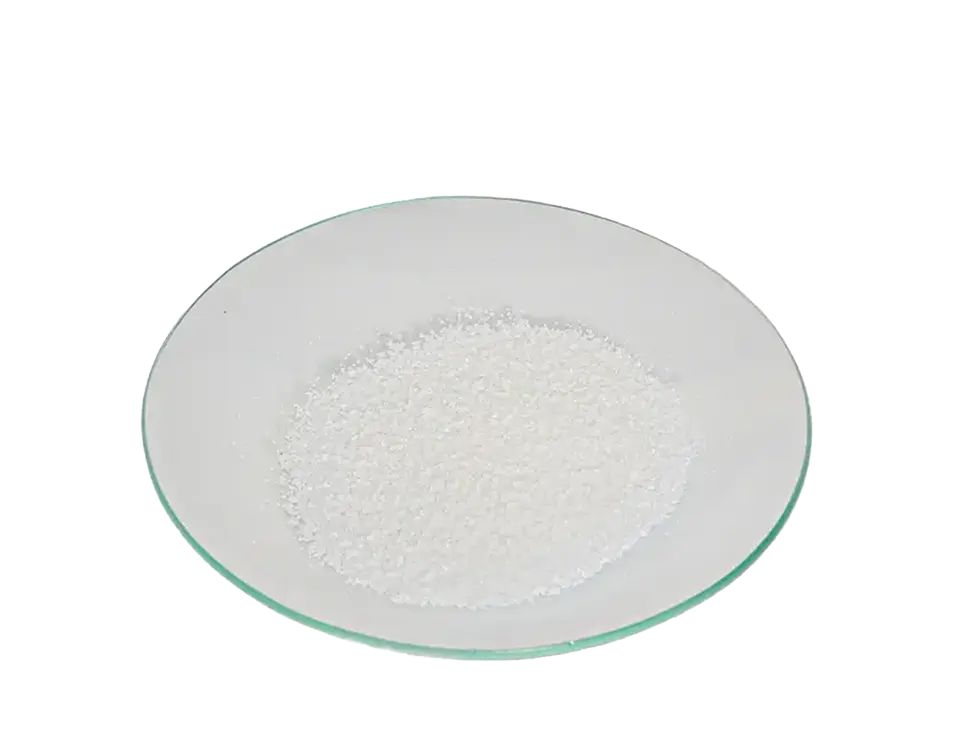
High Purity Poly Aluminium Chloride (PAC-01) - Premium Drinking Water Grade Solid Powder

Request Technical Quote
China Anionic Polyacrylamide Suppliers

Anionic Polyacrylamide (APAM) - High Molecular Weight Flocculant for Industrial Effluents

Request Technical Quote
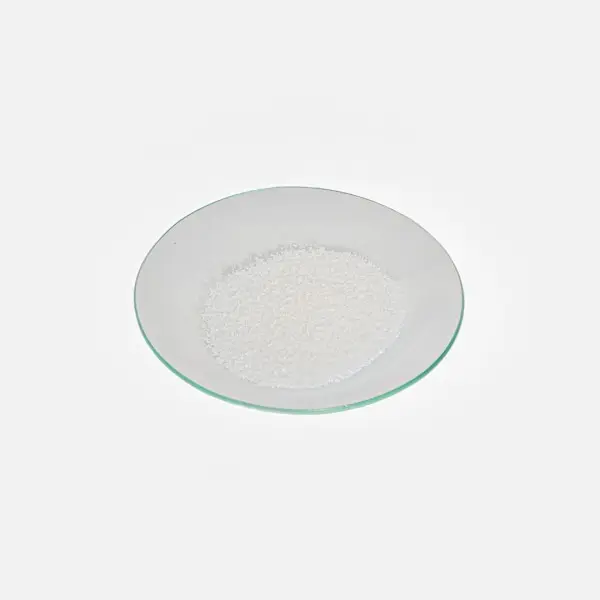
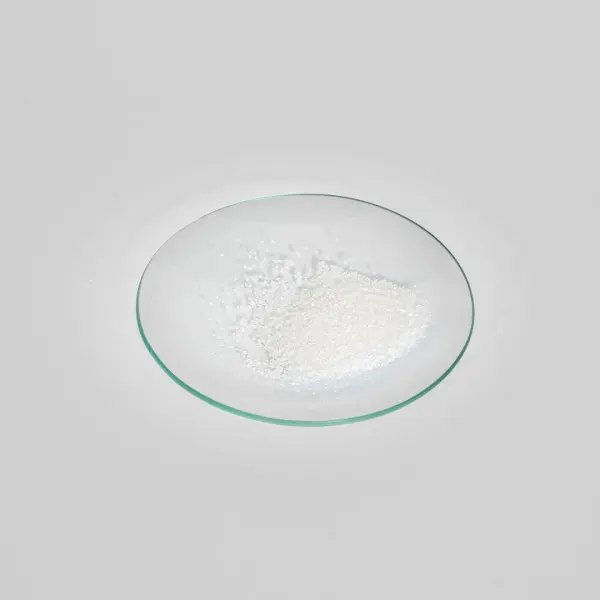
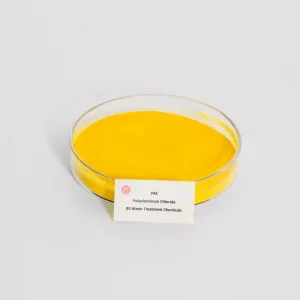
Wholesale Poly Aluminium Chloride Solid Granules

Poly Aluminium Chloride (PAC) Solid version - Yellow Granules for Municipal Sewage Treatment

Request Technical Quote
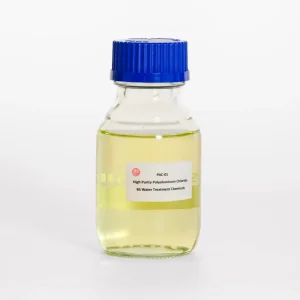
China Polyaluminium Chloride Liquid

Polyaluminium Chloride (PAC) Liquid - 10%-15% Active Ingredient High Purity Coagulant

Request Technical Quote
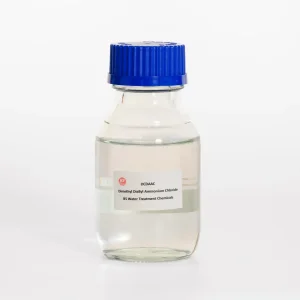
Wholesale Polyaluminium Chloride Liquid Suppliers

Polyaluminium Chloride (PAC) Liquid - Clear to Light Yellow Solution for Large Scale Water Plants

Request Technical Quote
China Polyaluminium Chloride Liquid 10-15 active ingredient

Polyaluminium Chloride (PAC) Liquid - 10%-15% Active Ingredient Transparent Solution

Request Technical Quote
China Cationic Polyacrylamide Suppliers

Cationic Polyacrylamide (CPAM) - Effective Flocculant for Biological Sludge Dewatering

Request Technical Quote
Wholesale Anionic Polyacrylamide Suppliers

Anionic Polyacrylamide (APAM) - High Viscosity Polymer for Industrial Wastewater Clarification

Request Technical Quote

1. Global Water Treatment Chemical Dynamics: Challenges & Structural Paradigms

In the contemporary era of rapid urbanization, chemical sophistication, and intensifying environmental regulations, the request for high-efficiency water technology solutions has progressed from basic sedimentation to advanced macromolecular charge customization. Industrial effluents, municipal sewage, agricultural runoff, and drinking water basins pose unique microbiological and chemical challenges that demand advanced responses. Specifically, chemical coagulation and flocculation represent the front lines of defense in water purification, where physical properties must be optimized at a nanoscale level to achieve target efficiency rates.

Across Europe, North America, and parts of the Asia-Pacific region, chemical oxygen demand (COD), total suspended solids (TSS), and persistent organic pollutants (POPs) are governed by stricter legislative structures than ever before. Traditional mechanical filtrations are insufficient to clear dissolved organics, colloidal clay structures, and colloidal biological materials. Consequently, international industrial enterprises and municipal utilities are prioritizing chemical innovations that optimize coagulation basicity, molecular weight structures, and charge density variables. These technical parameters directly control the speed, volume, and density of formed flocs, which governs the performance of downstream sedimentation, membrane purification, and sludge filter presses.

Key Technical Metric: Coagulation Dynamics
For optimal sediment rates, the Zeta Potential of the target solution must be modified via charge neutralization. Polymeric formulations such as Poly Aluminium Chloride (PAC) provide dynamic, high-charge polycations that compress the electrical double layer of suspended particles, resulting in rapid micro-floc formation.

2. Demystifying Flocculant & Coagulant Chemistries: PAC, PAM, ACH, and Beyond

To successfully integrate industrial water technologies, it is essential to distinguish between chemical classifications and understand their behavior in varying pH, temperature, and shear environments. Here, we outline the primary chemistry lines manufactured under precise industrial standards:

PolyAluminium Chloride (PAC) — Inorganic Polymer Coagulants

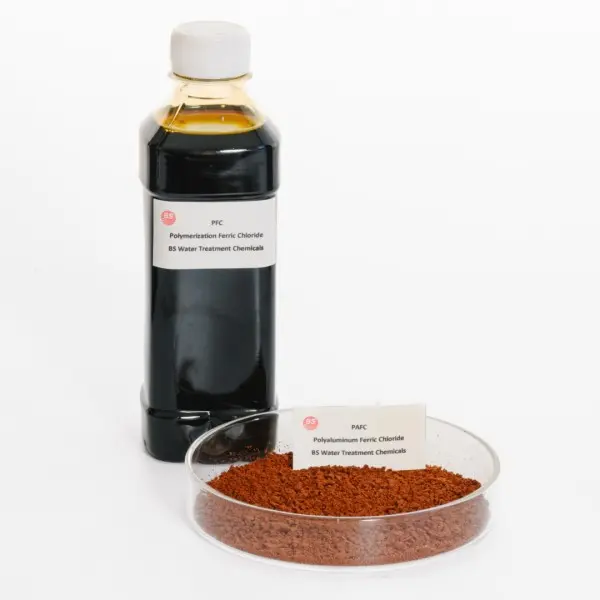
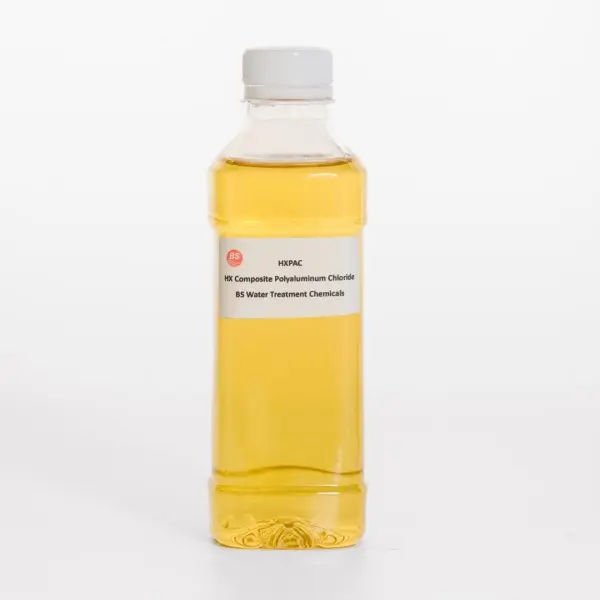
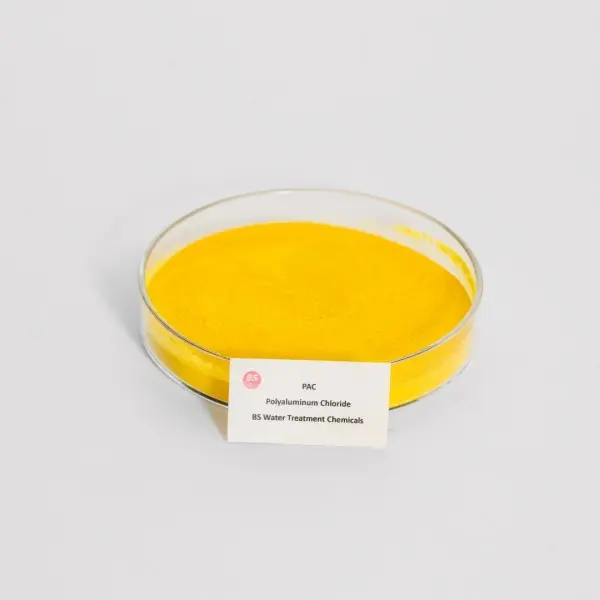
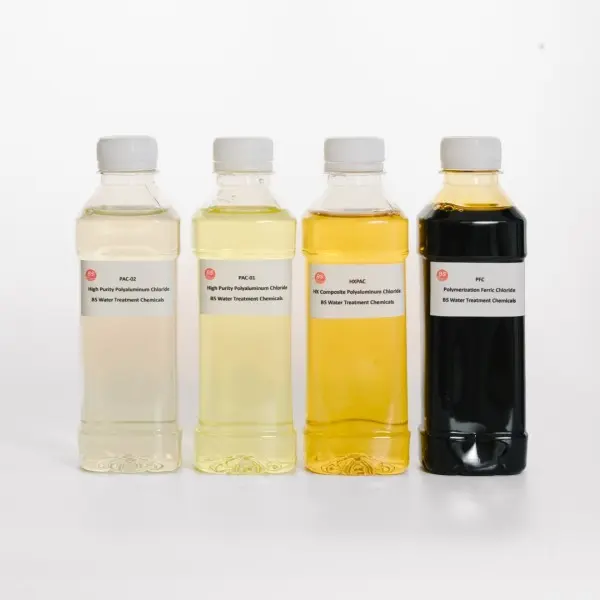
PolyAluminium Chloride is characterized by its high basicity index, meaning it possesses a high concentration of hydroxyl ions relative to aluminium ions. This structure enables the formation of highly charged polynuclear complexes such as Al13 and Al30, which are far more effective at neutralizing negative colloidal charges than simple alum or iron salts. In solid versions, yellow granules represent the standard industrial utility compound, while white high-purity variants (PAC-01) are optimized for drinking water treatment with exceptionally low heavy metal concentrations. The liquid version (10%-15% active ingredient) offers direct, continuous dosing capabilities, reducing material preparation costs and preventing issues with dust or caking in automated systems.

Polyacrylamide (PAM) — Macromolecular Organic Polymers

Polyacrylamide functions primarily via macromolecular bridging. PAM molecules have long, linear polymer chains that extend across the boundary layer of colloidal particles, anchoring multiple particles simultaneously to form large, rapid-settling macro-flocs.
Anionic Polyacrylamide (APAM): Carries negative charges. Ideal for positively charged inorganic suspensions such as metallurgy wastes, mineral processing slurries, coal washing slimes, and sand-washing plants.
Cationic Polyacrylamide (CPAM): Features positive quaternary ammonium groups. Designed specifically for negatively charged organic sewage, municipal activated sludge conditioning, brewery wastewater, and food-processing plant effluents.

Aluminum Chlorohydrate (ACH) — Maximum Density and Basicity

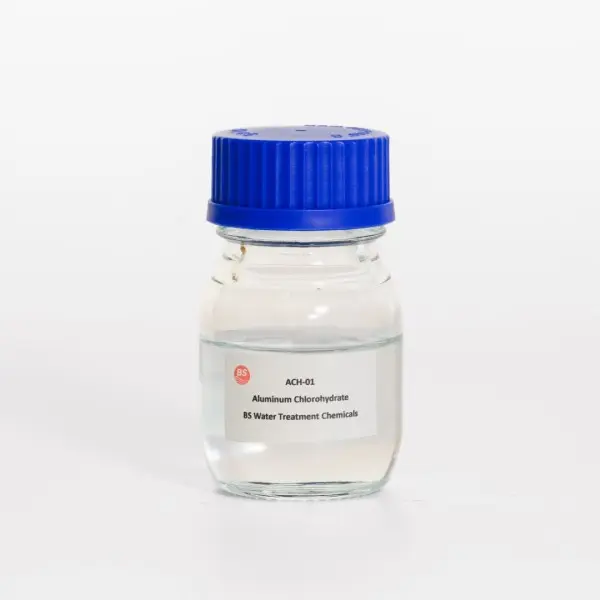
Aluminum Chlorohydrate represents the most concentrated form of inorganic aluminium-based coagulants. With a typical basicity exceeding 83%, ACH delivers the maximum possible concentration of Al2O3 (up to 23% in liquid forms and 47% in solid forms) while minimizing pH disruption. It is widely used in high-purity process water configurations and municipal water networks to limit sludge production and eliminate the need for alkaline additives like lime or caustic soda.

Water Decoloring Agent (WDA) & PDADMAC — Targeted Organic Coagulants

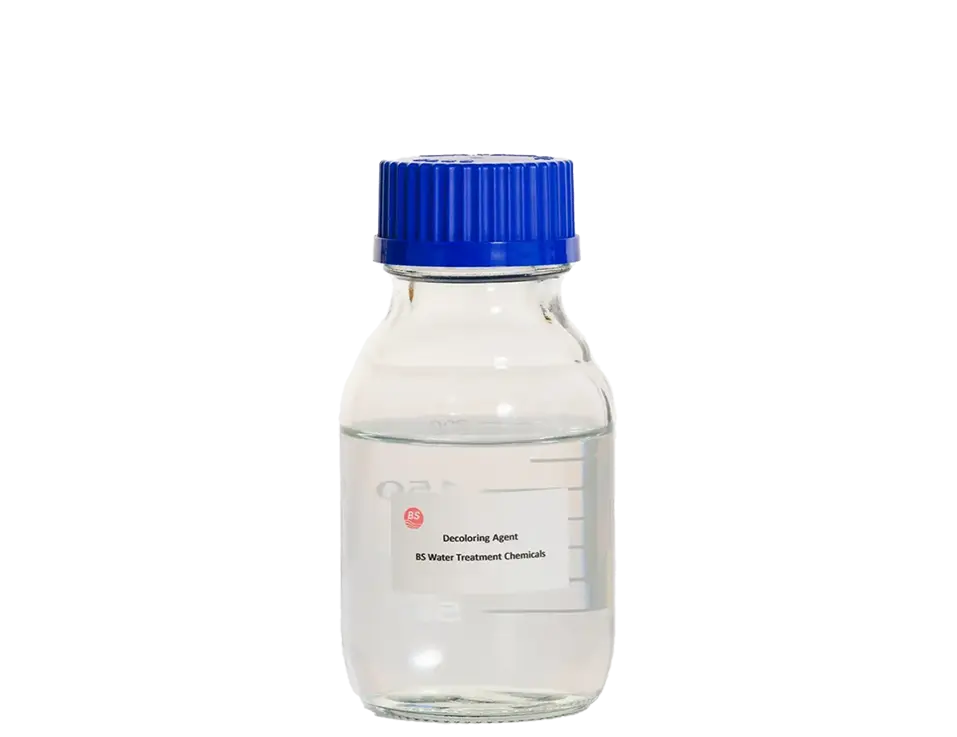
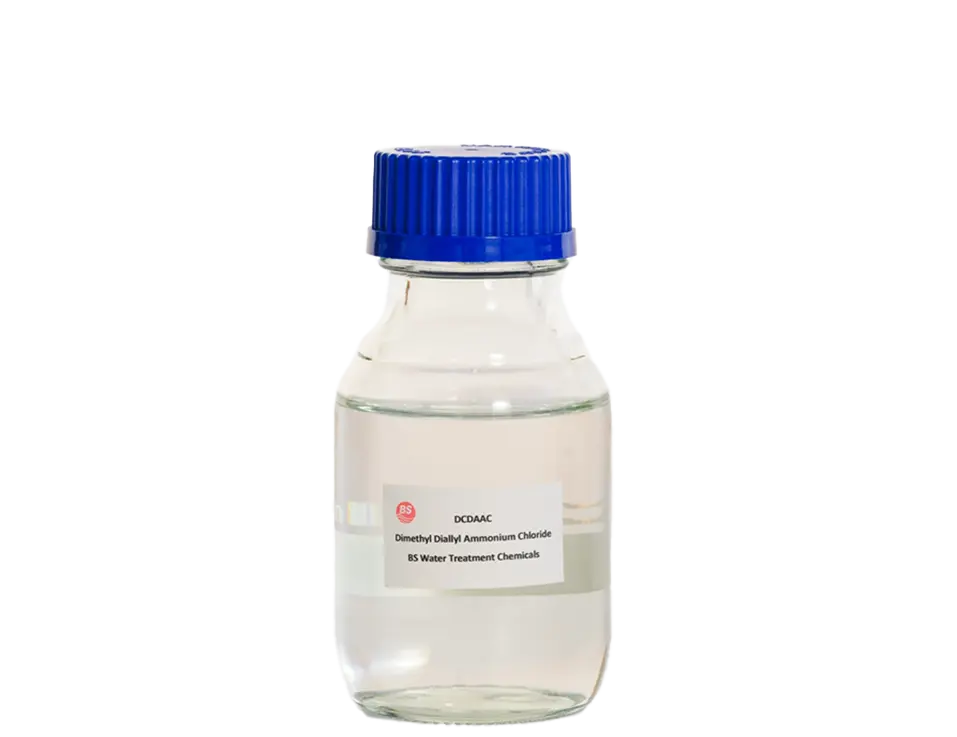
Water Decoloring Agents are dicyandiamide-formaldehyde based cationic polymers designed to target soluble color compounds, particularly reactive, acid, and disperse dyes from textile mills. By neutralizing the dye molecule's charge, they break down chromophore chains and trigger precipitation. Poly(diallyldimethylammonium chloride) (PDADMAC) is a highly cationic diallyl ammonium polymer that provides strong positive charge density. It acts as an excellent primary coagulant in paper-making circuits, oilfield wastewater reinjection, and heavy municipal organic waste systems.

3. China Factory 4.0: Resilient Supply Chains, R&D, and Production Scale

Modern global B2B procurement is no longer just about buying chemical compounds; it requires sourcing from factories that have undergone digital transformation to secure continuous, high-volume material supplies. The "Factory 4.0" paradigm in China, pioneered by manufacturers like Wuxi BS Water Treatment Chemicals Co., Ltd., integrates automated DCS (Distributed Control Systems) for chemical formulation, digital tracking of dry and liquid feeds, and automated product packaging lines that eliminate human error.

Industrial capacity and logistics infrastructure represent crucial elements of supply resilience. Possessing an annual sales volume exceeding 500,000 tons and a finished product warehouse capacity surpassing 20,000 tons, Wuxi BS maintains a continuous supply buffer. This scale protects global buyers from international market volatility, raw material shortages, and shipping delays. The factory's specialized R&D laboratories formulate custom molecular weights and basicities tailored to specific source waters, providing client enterprises with tailored, high-gain results.

4. Global Enterprise Procurement Criteria & ESG Alignment

Procurement departments at major international oil companies, paper mills, and municipal utility providers face complex regulatory environments. The selection of chemical suppliers hinges on three distinct pillars of verification:

  • Quality Constancy: B2B buyers require batch-to-batch consistency. The chemical formulations must not experience caking, precipitation, or active-ingredient decay during long-distance maritime transit.
  • Environmental & Social Governance (ESG): Flocculant residues must comply with national toxicity and biodegradation standards. High-purity PAC-01 and ACH formulations must meet stringent NSF/ANSI standards for drinking water.
  • Economic Optimization: Transitioning from simple chemical pricing to "Total Cost of Ownership" (TCO) assessments. Selecting coagulants with high active ingredient levels reduces transport costs, storage footprints, and sludge management expenses.
A Technology Leader Since 1998

About Wuxi BS Water Treatment

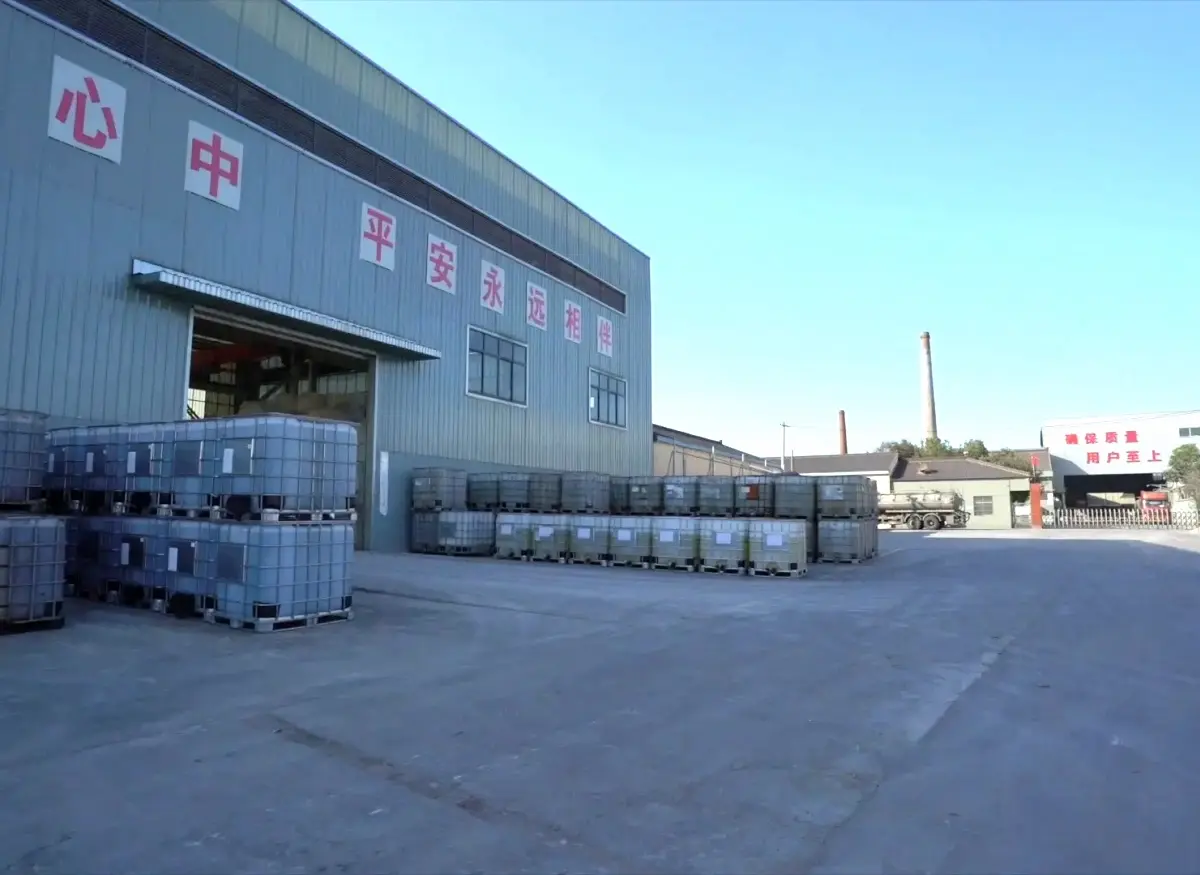
Wuxi BS Water Treatment Chemicals Co., Ltd., founded in 1998, possesses advanced production technology and rich management experience. We specialise in producing a series of water treatment products for the treatment of drinking water and various types of domestic and industrial wastewater.

For 27 years, we have pushed the boundaries of polymer chemistry and water clarification. Through automated manufacturing lines, digital quality control systems, and custom formulation services, we serve over 1000 enterprises across Europe, the Americas, and Southeast Asia.

27+
Years Experience
500k
Annual Tons Sold
20k
Tons Warehouse Cap
1000+
Clients Served

Product Classification

Our structured classification system helps engineers identify the exact chemical family required for their custom dosing systems.

Polymeric Aluminium Ferric Chloride PAFC

Polymeric Aluminium Ferric Chloride (PAFC)

Learn More
Compound Poly Aluminium Chloride

Compound Poly Aluminium Chloride

Learn More
Poly Aluminium Chloride Solid Version

Poly Aluminium Chloride (PAC) · Solid Version

Learn More
PolyAluminium Chloride Liquid Version

PolyAluminium Chloride (PAC) · Liquid Version

Learn More
High purity Poly Aluminium Chloride PAC-01

High purity Poly Aluminium Chloride (PAC-01)

Learn More
High Basicity Aluminum Chlorohydrate

High Basicity and High Al2O3 Content Aluminum Chlorohydrate

Learn More
Cationic Polyacrylamide CPAM

Cationic Polyacrylamide (CPAM)

Learn More
Anionic Polyacrylamide APAM

Anionic Polyacrylamide (APAM) – Flocculant for Water Treatment

Learn More

Hot Products

Industry-vetted chemical agents widely implemented in global purification systems.

Cationic Polyacrylamide CPAM

Cationic Polyacrylamide (CPAM)

Highly effective charge neutralization polymer optimized for municipal activated sludge dehydration and industrial separation.

Get Data Sheets
High Efficient Water decoloring agent WDA

High Efficient Water decoloring agent (WDA)

Advanced dicyandiamide-formaldehyde based polymer targeting dyes, color complexes, and refractory dissolved organics.

Get Data Sheets
Poly PDADMAC

Poly(diallyldimethylammonium chloride) (PDADMAC)

Strong cationic polyelectrolyte designed for primary coagulation, filtration aid, and paper retention applications.

Get Data Sheets

5. Application Engineering: Tailoring Chemicals for Localized Environments

A central challenge in wastewater treatment is that no two water sources are identical. Biological oxygen demand (BOD), chemical oxygen demand (COD), and colloidal mineral makeup vary by region and industry. This requires specialized application approaches across different industrial fields:

Municipal Sewage & Sludge Dewatering

Municipal wastewater contains large volumes of biological solids with negative charges. Adding Cationic Polyacrylamide (CPAM) with targeted molecular weights neutralizes these organic solids. The polymer chains bind the microscopic cells into dense, shear-resistant flocs that drain easily on belt press or centrifuge systems, yielding lower cake moisture and cleaner filtrate water.

Petroleum & Petrochemical Separation

Wastewater from oil recovery operations contains highly stable oil-in-water emulsions. Polymeric coagulants like Polyacrylamide (PAM) and PDADMAC destabilize these emulsions by neutralizing the protective surfactant charges. This allows microscopic oil droplets to coalesce and float to the surface for skimming, leaving clear water fit for deep-well reinjection.

Pulp, Paper, and Package Manufacturing

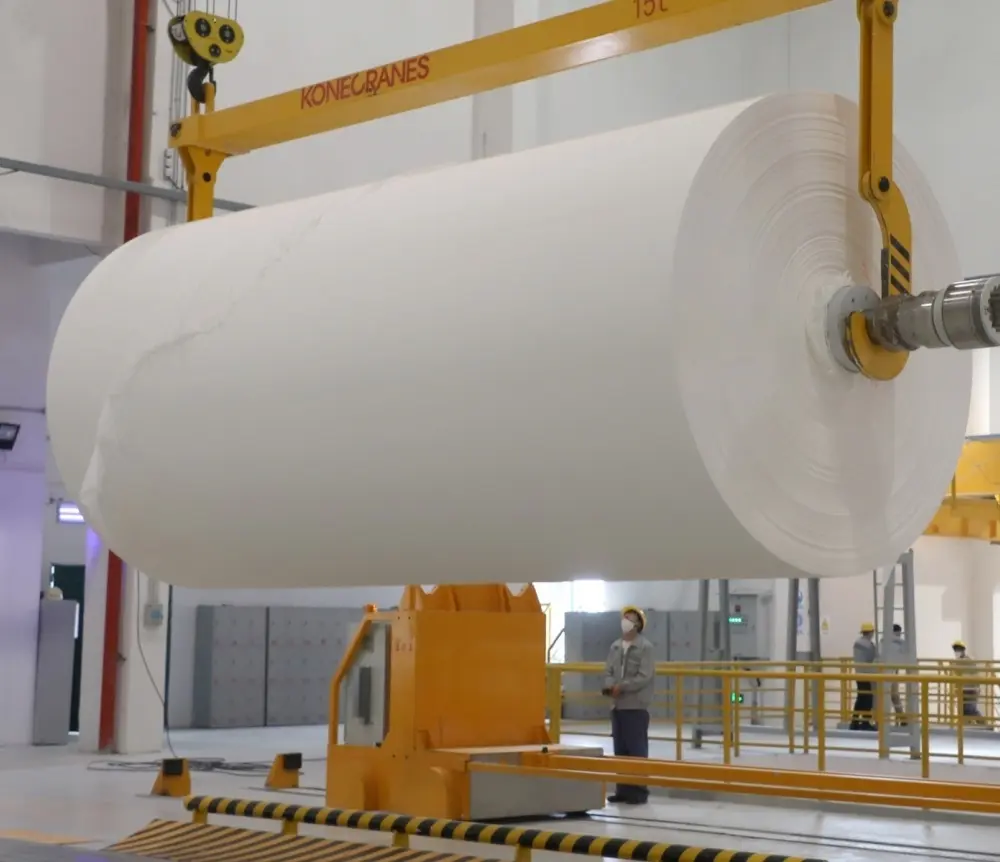
In papermaking, raw wood fibers and mineral fillers must be retained on the forming wire at high speeds. Dosing anionic and cationic PAM systems acts as a retention aid, binding fine fibers and titanium dioxide fillers to the primary paper sheet. This decreases white water solids, saves raw material costs, and reduces biological loads in effluent systems.

Drinking Water Filtration Pretreatment

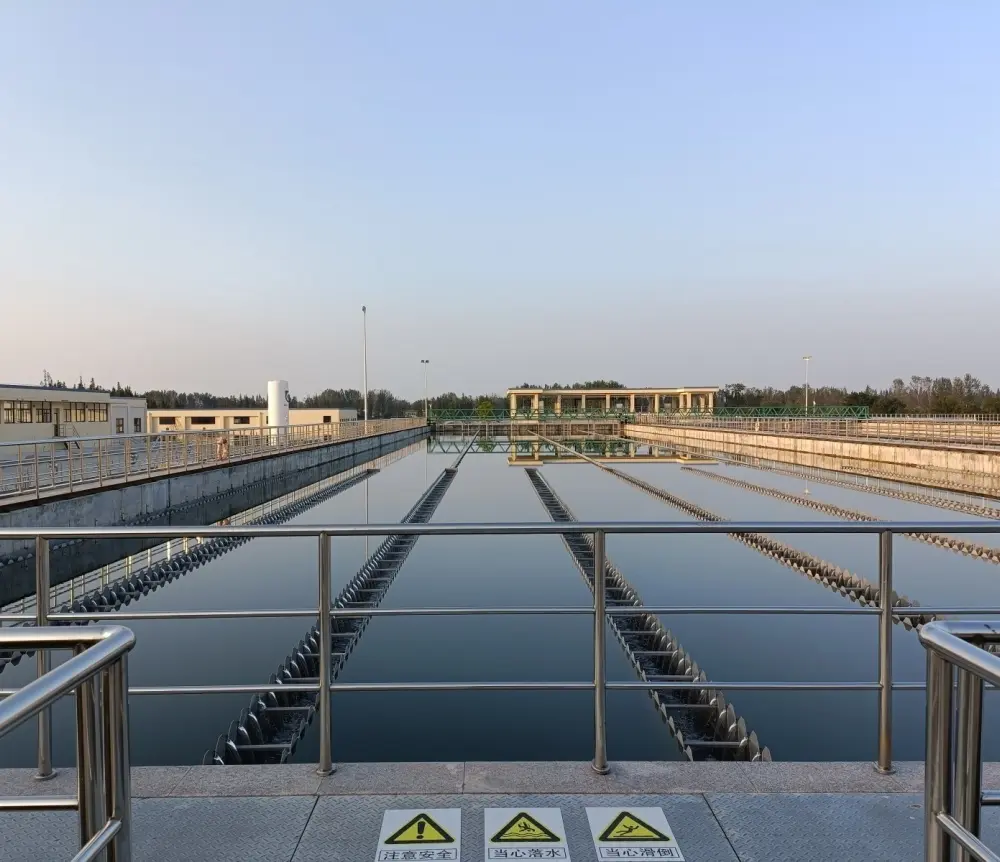
Potable water production requires extremely pure coagulants. High-purity Poly Aluminium Chloride (PAC-01) and Aluminum Chlorohydrate (ACH) provide effective coagulation without introducing heavy metals or excessive chloride levels, forming fast-settling flocs that are easily captured by sand beds and membrane systems.

Industry Applications

Engineered chemical solutions developed for specific industrial sectors and treatment environments.

Sewage Treatment Application
Environmental Municipal

Sewage Treatment

Discover Solutions →
Petroleum Industry Application
Petrochemical & Refineries

Petroleum Industry

Discover Solutions →
Membrane Process Pretreatment
Desalination & Pure Water

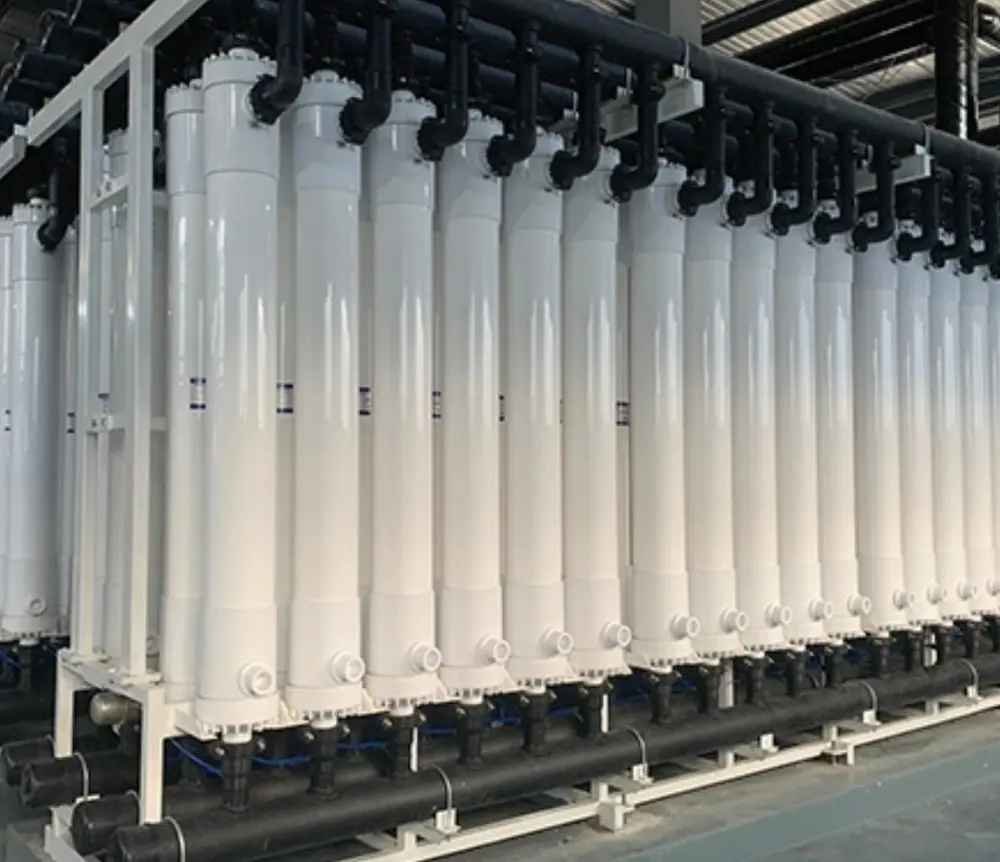
Membrane Process Pretreatment

Discover Solutions →
Papermaking Process Application
Pulp & Paper Mill Retentions

Papermaking

Discover Solutions →
Drinking Water Treatment Application
Municipal Clean Water

Drinking Water Treatment

Discover Solutions →

OEM/ODM Services & Technical Solutions

Customizing formulation basicity, molecular weight distributions, and concentrations for global brands.

Technical Team Icon

Technical Team

We provide full cycle services of "water quality analysis, formula customization, field testing, and dosing system optimization."

Arrow indicator
Capacity Icon

Stable Capacity

Our annual sales volume exceeds 500,000 tons, and we maintain a finished product inventory of over 20,000 tons.

Arrow indicator
Worry free supply

Worry-free Supply

Equipped with intelligent production lines and a full-process quality control system, we guarantee zero supply disruptions.

Arrow indicator
R&D Capability

R&D Capability

Over decades, we have driven continuous innovation in product performance, molecular structures, and packaging durability.

Arrow indicator
Global Export

Global Export

Since 2007, our products have been exported globally. We manage logistics across five continents with complete export credentials.

Arrow indicator

Rewards & Achievements

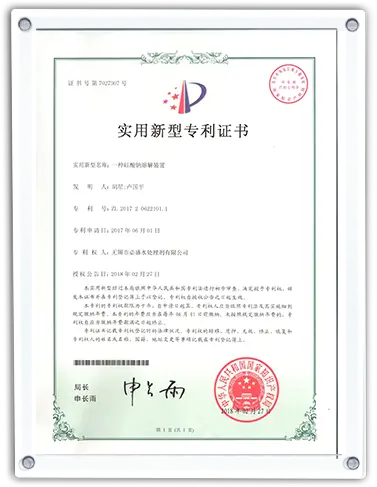
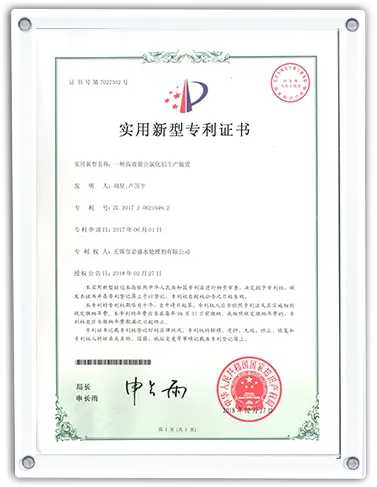
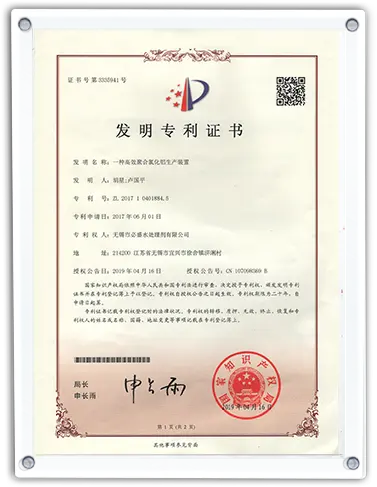
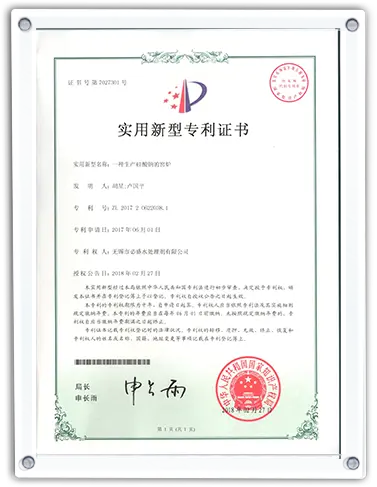
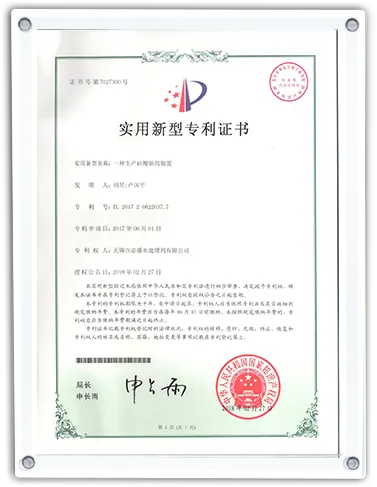
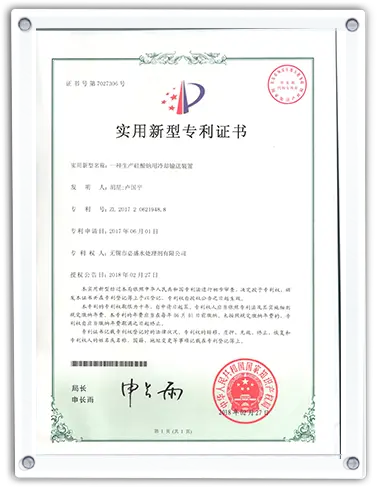
Wuxi BS complies with international standards, holding quality, environmental management, and production safety certificates.

Rewards graphic badge
ISO Certification 1
ISO Certification 2
ISO Certification 3
ISO Certification 4
ISO Certification 5
ISO Certification 6
ISO Certification 7
ISO Certification 8
ISO Certification 9
ISO Certification 10

Development Milestones

Over 25 years of steady development and scaling in industrial water treatment technologies.

1998
The production factory was established in Wuxi, beginning regional supply of chemical coagulants.
2005
Renamed as Wuxi Bisheng Water Treatment Agent Co., Ltd. for upgraded production capabilities.
2007
Products began exporting overseas via international trading distributors.
2021
Annual export volume exceeded 10,000,000 USD, serving key industrial markets globally.
2025
Established the direct Foreign Trade Department to enhance client service and customized logistics.
Future
Developing AI-driven dosing equipment integration and smart logistics services.

Latest Corporate News

Stay updated with our technical breakthroughs, supply developments, and industry insights.

Wuxi BS Water Treatment Global Layout News
Calendar Icon Sep 09, 2025

Wuxi BS Water Treatment: From Local Deep Dive to Global Layout

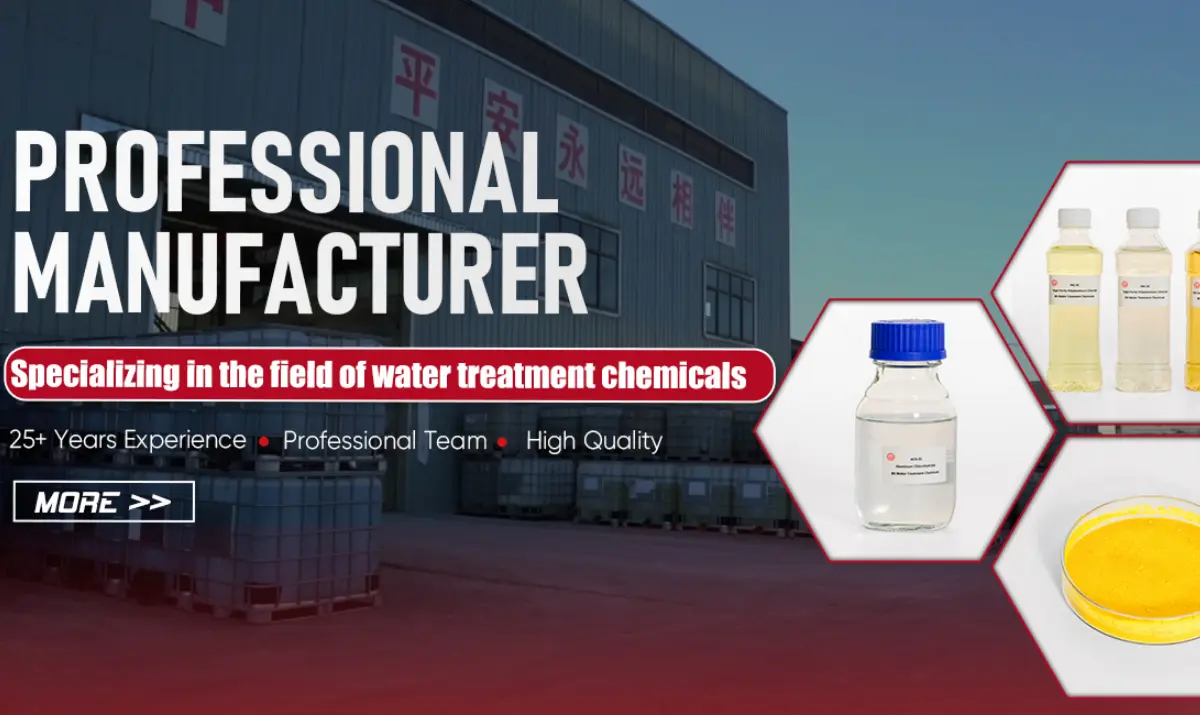
Our company has officially established its dedicated direct foreign trade sector to provide specialized, customized formulation services to international enterprises. This transition allows our expert chemical engineers to collaborate directly with municipal and industrial buyers, matching raw chemistry specs to their unique local water profiles.
Read Article
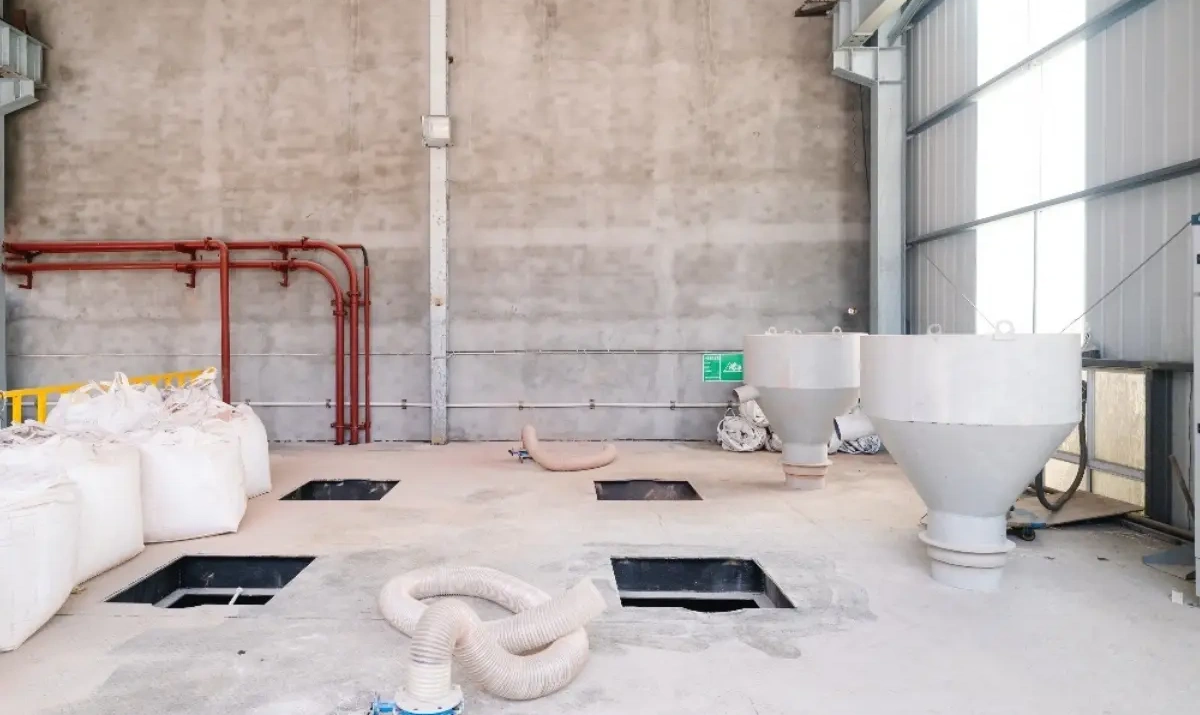
Digital intelligent solid feeding equipment
Calendar Icon Aug 21, 2025

Introduction of Digital Intelligent Solid Dosing Systems

Read More →
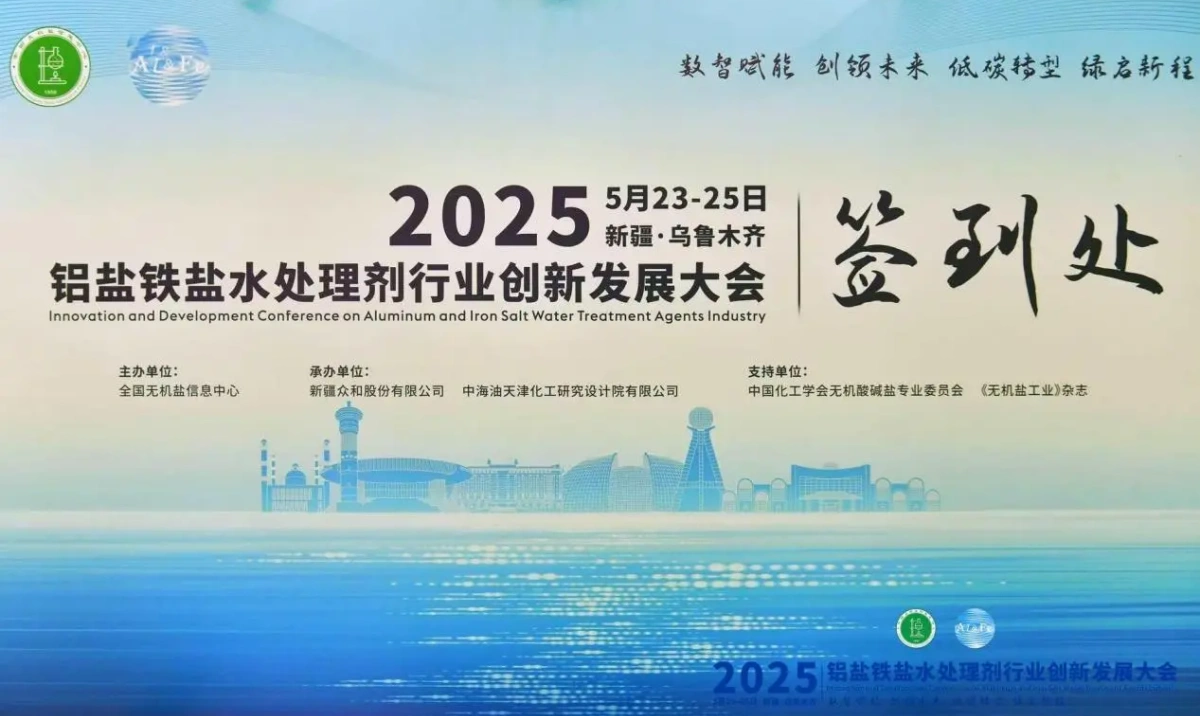
Innovation and Development Conference
Calendar Icon Aug 21, 2025

The 2025 Innovation Conference for Aluminum and Iron Salts

Read More →

Technical Q&A: Water Clarification Chemistry

Answers to key engineering questions regarding polymer selection, active concentrations, and logistics optimization.

Q1: What is the primary operational difference between APAM and CPAM? +
APAM (Anionic Polyacrylamide) holds negative charges along its polymer chain, making it ideal for targeting positively charged suspended solids, typically found in inorganic slurries like mineral washings and metallurgical processing. CPAM (Cationic Polyacrylamide) carries positive charges, designed to bind negatively charged organic colloids found in municipal sewage, food processing waste, and biological sludge.
Q2: When should liquid PAC (10%-15% active Al2O3) be preferred over solid PAC powder? +
Liquid PAC is ideal for automated dosing facilities with direct feed systems. It eliminates powder dissolution steps, avoids dust in the workplace, and prevents caking issues in humid climates. However, solid PAC (typically 28%-30% Al2O3) remains the preferred choice for long-distance international shipping to minimize transit costs per ton of active ingredient.
Q3: How does high-basicity ACH reduce sludge volumes compared to traditional alum? +
ACH has a basicity index of 83% or higher, which enables the formation of highly charged polynuclear aluminium complexes. This structure neutralizes colloidal charges more efficiently than traditional alum at a lower dosage, reducing dissolved salts and producing a denser, more compact sludge that minimizes disposal costs.
Q4: What is the typical shelf life and storage protocol for Water Decoloring Agents (WDA)? +
Liquid WDAs are stable for 12 months when stored in original closed containers between 5°C and 30°C. They should be protected from freezing and direct sunlight. If exposed to temperatures below 0°C, the product may stratify but can be restored via mechanical agitation.
Q5: Can you supply custom molecular weights for Polyacrylamide (PAM) lines? +
Yes. Through our direct OEM/ODM services, our technical team works with buyers to customize molecular weight values (ranging from 5 million up to 22 million) and charge densities to match the specific shear forces and settling velocities of their treatment facilities.

Secondary Core Water Solutions & Formulations

Verify our alternative industrial polymer and decolorizing agent product lines.

China High Basicity ACH Suppliers

High Basicity Aluminum Chlorohydrate (ACH) - High Al2O3 Density Inorganic Polymer

Request Technical Quote
China Suppliers Anionic Polyacrylamide

Anionic Polyacrylamide (APAM) - High Efficiency Flocculant for Mineral Processing

Request Technical Quote
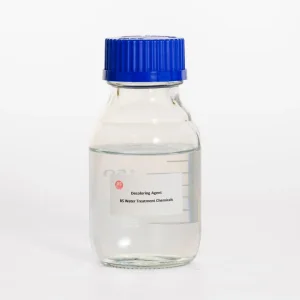
China Cationic Water Decolorizing Agent

Cationic Water Decolorizing Agent - High-Efficiency Color Removal Polymer

Request Technical Quote
China Efficient Water Decoloring Agent Supplier

High Efficient Water Decoloring Agent (WDA) - Advanced Flocculation & COD Reduction

Request Technical Quote
Wholesale Cationic Polyacrylamide Suppliers

Cationic Polyacrylamide (CPAM) - Premium Granular Polymer for Municipal Dewatering

Request Technical Quote
Wholesale ACH Suppliers China

High Basicity Aluminum Chlorohydrate (ACH) - Premium Quality Solid Powder

Request Technical Quote
China PAC Suppliers Powder

Poly Aluminium Chloride (PAC) Powder - Low Dust, Non-Caking Industrial Grade

Request Technical Quote
Wholesale High Quality PDADMAC

Poly(diallyldimethylammonium chloride) (PDADMAC) - High Concentration Solution

Request Technical Quote

Connect with Our Technical Engineers

For chemical MSDS sheets, custom molecular weight adjustments, or high-volume pricing matrices, please contact our export logistics department. Our laboratory experts will evaluate your local raw water data and recommend optimal formulations.

Dosing System Consultation Support
Submit your system parameters (pH range, turbidity level, current chemical consumption) to receive a customized optimization plan within 24 hours.
AI Dosing Assistant Enabled