High-efficiency polymers specifically calibrated for Japanese industrial effluent standards.
Years Experience
Tons Annual Production
Global Enterprises Served
Local Support
The Tokyo metropolitan market represents one of the most sophisticated industrial water treatment landscapes globally. As the heart of Japan's economic engine, the Kanto region demands high-purity chemicals that meet the stringent Metropolitan Effluent Standards. For Polyacrylamide (PAM) manufacturers, Tokyo is not just a destination for products, but a crucible for technical excellence.
In Tokyo, industries ranging from precision electronics in Ota City to chemical manufacturing in the Keihin Industrial Zone face unique challenges. The presence of Water Decoloring Agents is crucial for local textile and printing industries that must remove colority from effluent to protect the sensitive ecosystem of Tokyo Bay. Unlike standard global markets, the Tokyo market prioritizes sludge reduction and toxicity minimization, driving the demand for high-charge cationic polyacrylamides and eco-friendly decoloring agents.
Globally, the PAM market is shifting toward Bio-based Acrylamide and high-performance liquid versions to reduce energy consumption during the dissolution process. As a leading manufacturer, we integrate global R&D with local Japanese logistics to ensure a "Just-in-Time" supply of Polyaluminium Chloride (PAC) and PAM, mitigating the risks of volatile shipping costs and storage constraints inherent in Tokyo's dense urban environment.
The future of water treatment in Tokyo lies in the convergence of chemistry and digital intelligence. Our technical roadmap focuses on three core pillars:
Customizing the chain length and branch degree of PAM to target specific pollutants like micro-plastics and pharmaceutical residues, which are increasing concerns in the Tama River basin.
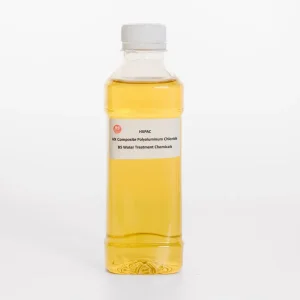
Developing Composite Polyaluminum Chloride (CPAC) that combines the rapid neutralization of inorganic salts with the bridging capability of organic polymers, reducing overall chemical dosage by 25%.
Moving away from oil-based precursors to renewable feedstocks, aligning with Japan's "Green Growth Strategy Through Achieving Carbon Neutrality in 2050."
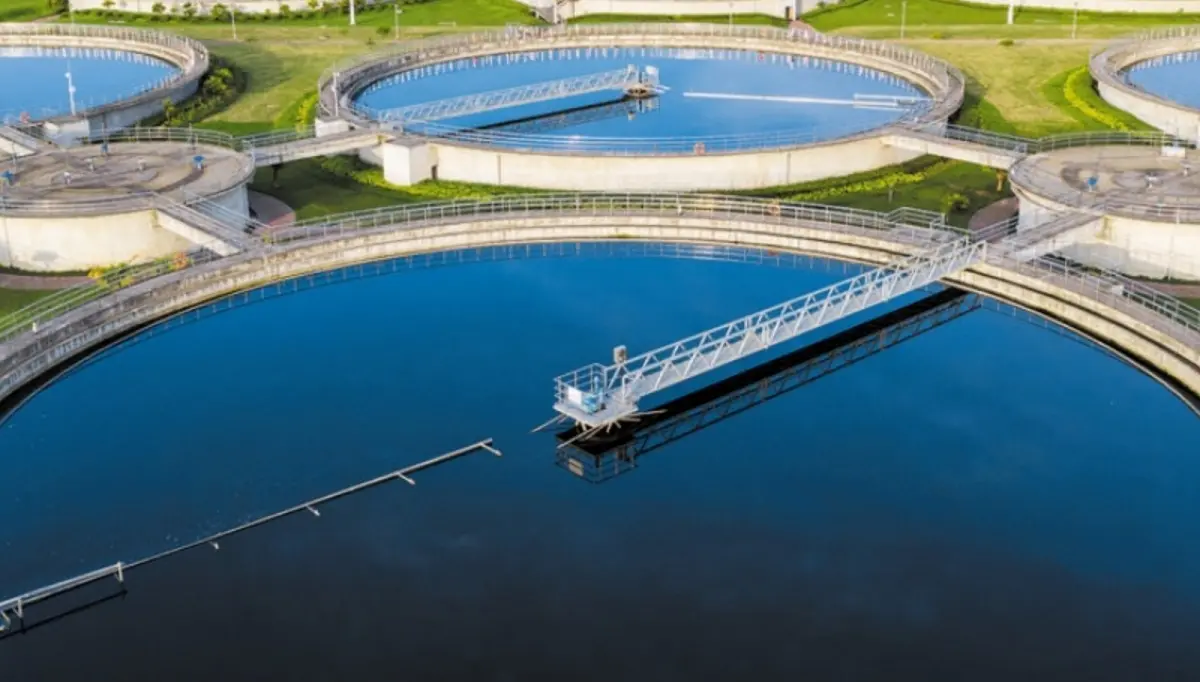
Tokyo’s sewage systems handle immense volumes. Our Cationic Polyacrylamide (CPAM) provides superior sludge dewatering efficiency for belt filter presses and centrifuges used in Tokyo's water reclamation centers.
The Water Decoloring Agent series is specifically designed for the high-COD, high-chroma effluent of paper mills and textile factories located in the outskirts of the Tokyo metropolitan area, ensuring compliance with river discharge permits.
With numerous food processing plants in the Kanto region, our food-grade PAC and anionic PAM assist in rapid solids-liquid separation, maintaining high sanitation standards while reclaiming process water.
Navigating the Japanese regulatory environment requires more than just high-quality chemicals. It requires Trust (Reliability) and Expertise (Specialization).
Our PAM is synthesized using high-purity monomers that minimize residual acrylamide, meeting the strict safety thresholds required for discharge into the urban river systems of Tokyo. We also provide customized ionic charge densities for different sludge types found in the region.
Our WDA works through charge neutralization and adsorption-bridging. It destabilizes the color-contributing molecules (like reactive dyes) and precipitates them into larger flocs that can be easily removed by sedimentation or DAF systems.
Thanks to our optimized logistics chain and 20,000-ton finished product warehouse, we can maintain steady supply routes with a typical sea-freight lead time of 7-10 days, or localized delivery from regional hubs within 48 hours.
Yes. Our R&D team can analyze effluent samples from your Tokyo facility and develop a "bespoke" polymer blend that maximizes floc strength while minimizing overall chemical costs.
Industry-leading water treatment chemicals for diverse industrial applications.
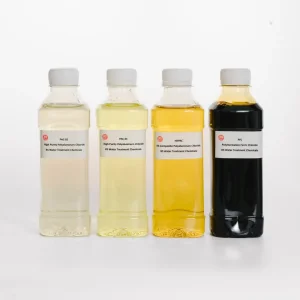
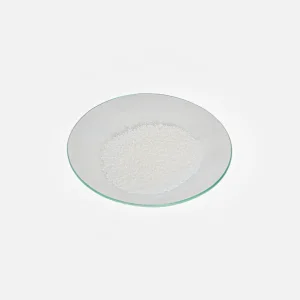
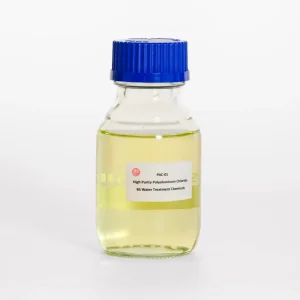
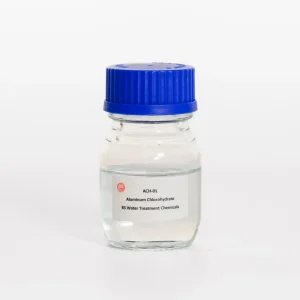
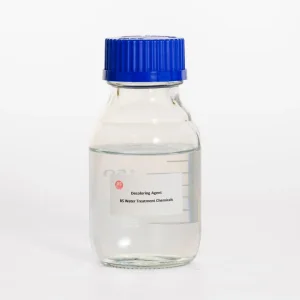
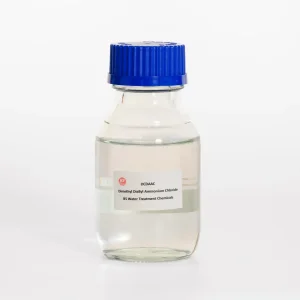
Our laboratory can develop specific polymer ratios for your unique Tokyo industrial project.
Contact ExpertsJoin 1,000+ companies worldwide benefiting from our 27 years of chemical innovation. Get a free sample and technical consultation for your Tokyo-based facility.
 BS Water