 BS Water
Industrial Water Purification Challenges in Milan Metropolitan Area
The Milan metropolitan area and the wider Lombardy region represent Italy's industrial powerhouse. From the historic chemical clusters of Rho and Pero to the advanced manufacturing hubs of Monza-Brianza, and down to the textile finishing hubs around Como, the regional economy relies heavily on process water purification. Industrial wastewater handling is subjected to tight scrutiny under the Italian Legislative Decree 152/2006 (Environmental Code) and regional standards monitored strictly by ARPA Lombardia.
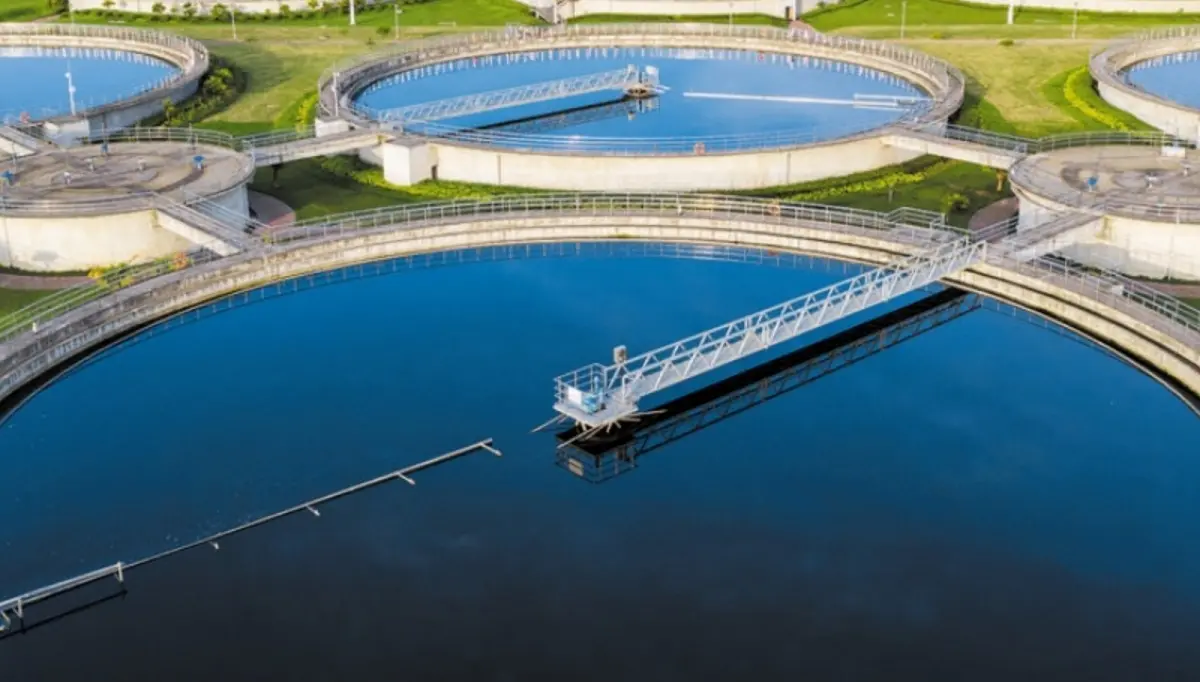
For municipal operators handling plant effluents from installations such as Milan Nosedo (Europe's largest wastewater reuse facility) and Milan San Rocco, maintaining high chemical oxygen demand (COD) removal, rapid suspended solids (TSS) clarification, and phosphorus removal is non-negotiable. Traditional aluminum sulfate has been systematically replaced by high-basicity Polyaluminium Chloride (PAC). This chemical evolution is driven by the physical advantages of PAC: lower dosage rates, reduced sludge footprint, and superior performance at low temperatures and varying pH levels.
The Shift Toward High-Basicity Polymeric Formulations
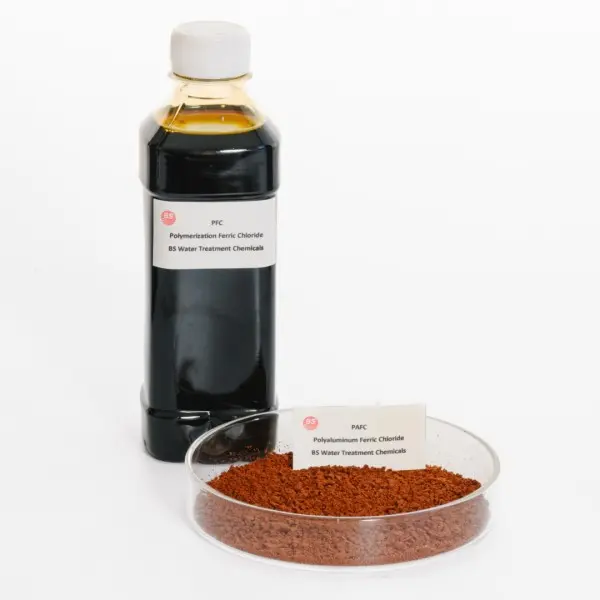
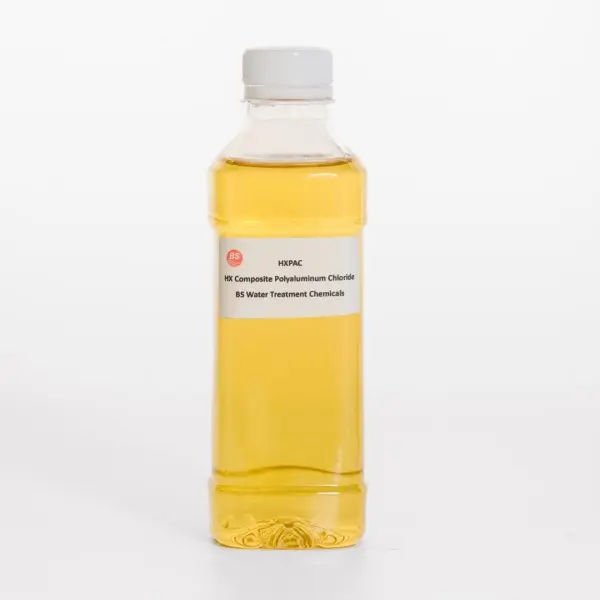
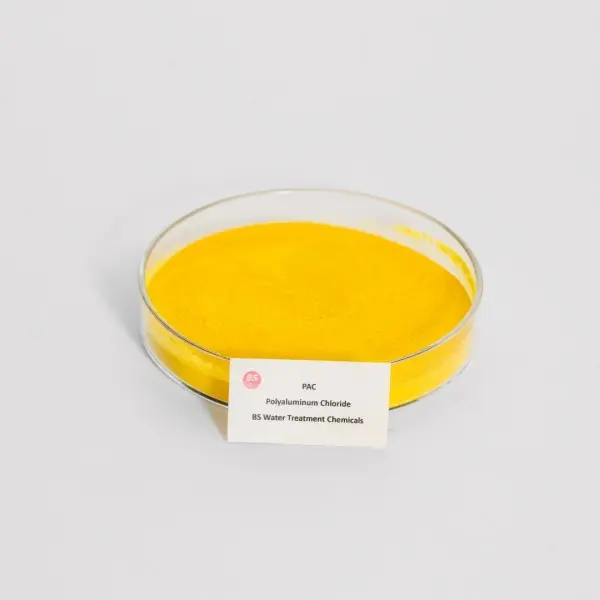
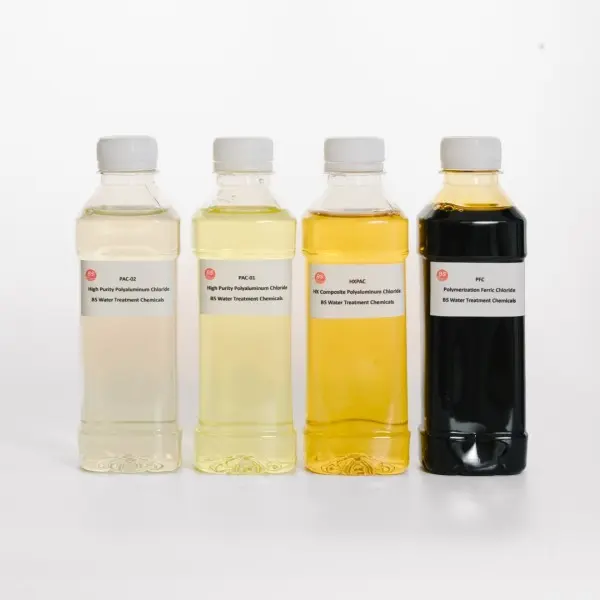
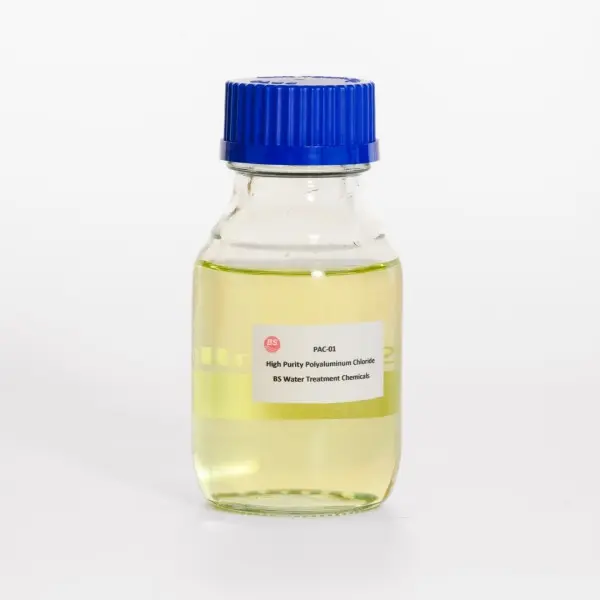
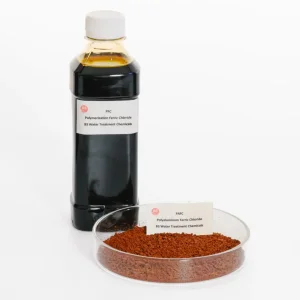
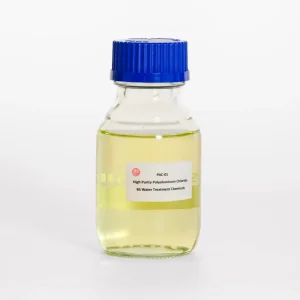
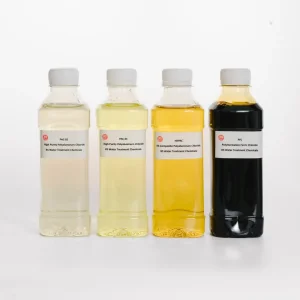
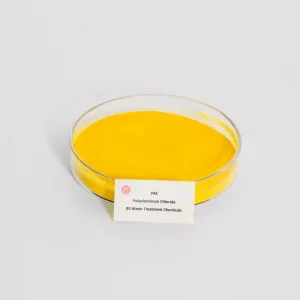
Industrial operations in Lombardy are faced with the rising costs of sewage discharge and sludge disposal. Consequently, selecting an optimized chemical coagulant directly impacts operational expenditures (OPEX). High-basicity Polyaluminium Chloride ($Al_n(OH)_mCl_{3n-m}$) offers highly charged polynuclear aluminum complexes. These molecular configurations maximize charge neutralization and sweep-flocculation kinetics. Wuxi BS Water Treatment Chemicals Co., Ltd. provides customized PAC grades with basicity up to 85%, ensuring minimal residual aluminum in the treated supernatant and mitigating downstream corrosion risks in membrane systems.
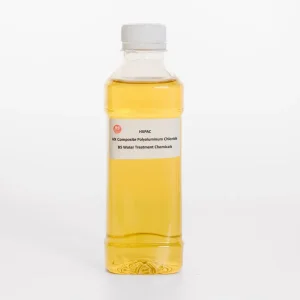
To cater to the stringent criteria of Italian water authorities, suppliers must prove REACH compliance and demonstrate consistent raw material origins. As regional operators transition towards zero-emission targets, our specialty flocculants and composite PAC formulations offer a direct pathway to lower chemical footprints and enhanced system throughput.