Premium macromolecular polymers engineered to meet the stringent ISKI environmental standards in the Marmara Region.
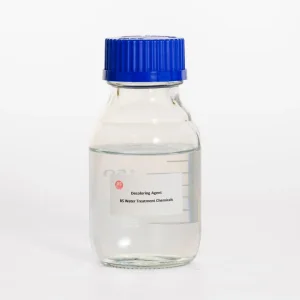
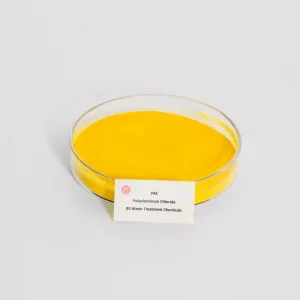
Industrial manufacturing in Turkey, particularly concentrated around the economic hub of Istanbul and the surrounding Marmara region, has achieved remarkable global positioning over the last few decades. Cities like Istanbul, Tekirdağ, Bursa, and Kocaeli host some of the most advanced textile dyeing, printing, paper manufacturing, and chemical processing facilities in Europe and the Middle East. However, this massive industrial expansion brings critical environmental responsibilities. As environmental regulations become increasingly stringent under the supervision of the Ministry of Environment, Urbanization and Climate Change of Turkey and local bodies such as ISKI (Istanbul Water and Sewerage Administration), the treatment of highly colored wastewater has transitioned from a basic operational step to a pivotal regulatory compliance factor.
Highly colored effluents, primarily discharged by textile dyehouses and pulp mills, represent a challenging wastewater category. These effluents are laden with complex organic synthetic dyes (mostly reactive, acid, disperse, and direct dyes) characterized by stable aromatic structures designed to resist degradation by light, heat, and biological pathways. When discharged untreated, these compounds degrade the aesthetic value of local water bodies, impede light penetration, disrupt aquatic photosynthesis, and lead to significant increases in COD (Chemical Oxygen Demand) and BOD (Biochemical Oxygen Demand). The deployment of specialized cationic polymers, commonly classified as Water Decoloring Agents (WDA), has emerged as the most cost-effective and operationally reliable methodology to remove soluble color molecules from industrial wastewater circuits.
Istanbul's manufacturing grid is divided into several Organized Industrial Zones (Organize Sanayi Bölgeleri - OSB). Among these, the Tuzla OIZ on the Asian side is renowned for chemical, metal, and leather processing, while İkitelli OIZ and Beylikdüzü on the European side support dense networks of textile dyehouses, garment wash facilities, plastic manufacturers, and packaging mills. In addition, the nearby Thrace basin (Çorlu/Çerkezköy) serves as the primary processing backyard for Istanbul-based textile brands.
The wastewater matrices of these zones are characterized by severe fluctuations in pH (ranging from 4.0 to 11.5 depending on the processing step), high temperatures, and high salts (primarily sodium chloride and sodium sulfate used as dye exhausters). Under these complex conditions, simple inorganic salts like iron or aluminum sulfates fail to provide adequate color removal and produce excessive, hard-to-dewater chemical sludge. Local engineers require highly specialized organic polymeric coagulants that function independently of salt concentration and maintain high stability across varying operational parameters.
Globally, the market for water treatment chemicals is undergoing a paradigm shift driven by water scarcity and "Zero Liquid Discharge" (ZLD) mandates. In countries like China, India, Turkey, and Brazil—which are the backbones of global apparel production—freshwater intake limits have forced mills to recycle up to 80% of their processing water. To reuse water in dyeing processes, the color must be completely eliminated to prevent staining of fabrics in subsequent batches.
The primary global solution is the synthesis of dicyandiamide-formaldehyde polymers, which are strongly cationic quaternary ammonium salt compounds. These polymers feature a high density of positive charges that attract the negatively charged sulfonic groups present in anionic dyes. Through electrostatic neutralization, adsorption, and polymer-bridging mechanisms, the soluble dyes are precipitated out of the liquid phase as insoluble macro-flocs.
Traditionally, mills relied on activated carbon adsorption or advanced oxidation processes (AOPs) like Fenton’s reagent or ozone. While effective, AOPs involve extreme capital costs, high electricity consumption, and dangerous handling of concentrated chemicals. Activated carbon produces high volumes of spent carbon requiring hazardous disposal. In contrast, Water Decoloring Agents (WDA) require minimal footprint, basic dosing pumps, and provide rapid precipitation with color removal efficiencies frequently exceeding 98%.
Wuxi BS Water Treatment Chemicals Co., Ltd. possesses a deep technological foundation built over 27 years of industry experience. Established in 1998, the company has grown into a world-class manufacturing powerhouse with an annual sales volume exceeding 500,000 tons and maintaining a ready-to-ship finished product warehouse of over 20,000 tons. This scale of operation enables Wuxi BS to optimize production costs and ensure supply chain continuity for large-scale international buyers in Turkey and across the globe.
Our manufacturing facility leverages fully automated digital polymerization reactors that control temperature, shear rates, and molecular weight distribution in real-time. This ensures that every batch of WDA, Polyacrylamide (PAM), and Polyaluminium Chloride (PAC) conforms to strict international quality standards (ISO9001, ISO14001).
To achieve the highest decolorization efficiency at the lowest cost, Wuxi BS recommends a structured, multi-chemical treatment program tailored to Istanbul's local municipal limits:
Explore our full catalog of water treatment chemicals designed for global industrial applications.
High-basicity coagulant available in white/yellow solid granules and liquid versions. Excellent for drinking water and general industrial wastewater treatment.
Cationic (CPAM) and Anionic (APAM) polymers engineered for sludge dewatering, thickening, and rapid sedimentation in paper, municipal, and mineral processes.
High-charge density cationic liquid polymers for oil-water separation, paper mill pitch control, and municipal drinking water filtration assistance.
From local deep-dive manufacturing to a globally recognized leader in water treatment technology.
Get answers to critical technical questions regarding the usage and purchase of Water Decoloring Agents.
Premium water treatment polymers distributed to Istanbul and municipal treatment zones globally.
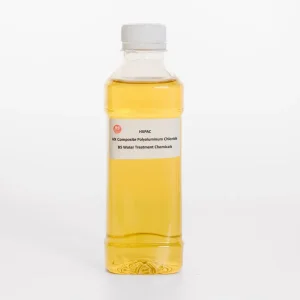
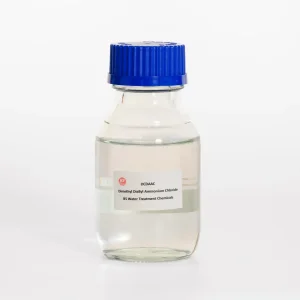
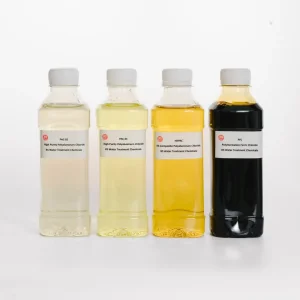
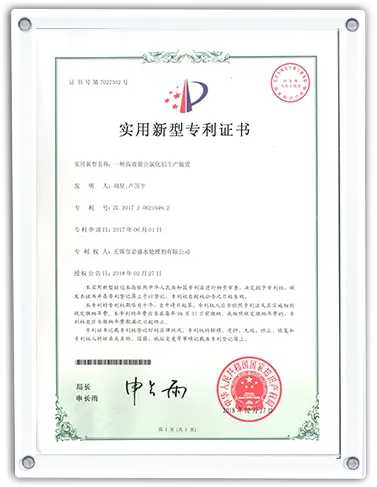
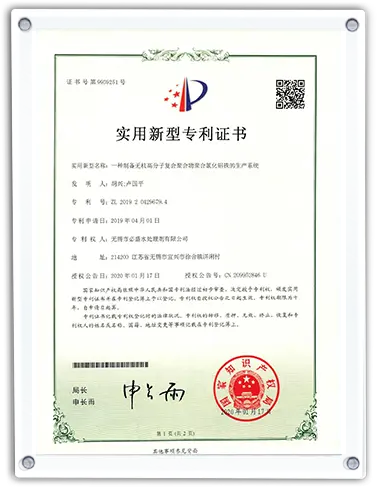
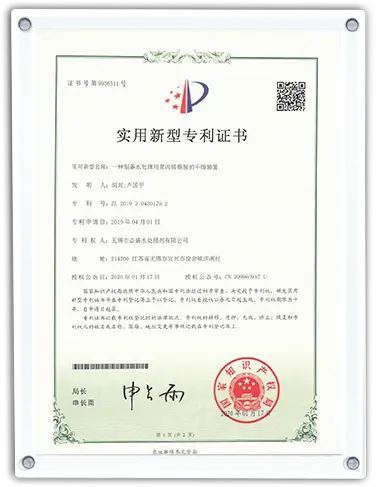
Certified performance systems and industry standards compliance verified by global bodies.
Stay updated on wastewater treatment innovations and water purification technology news.
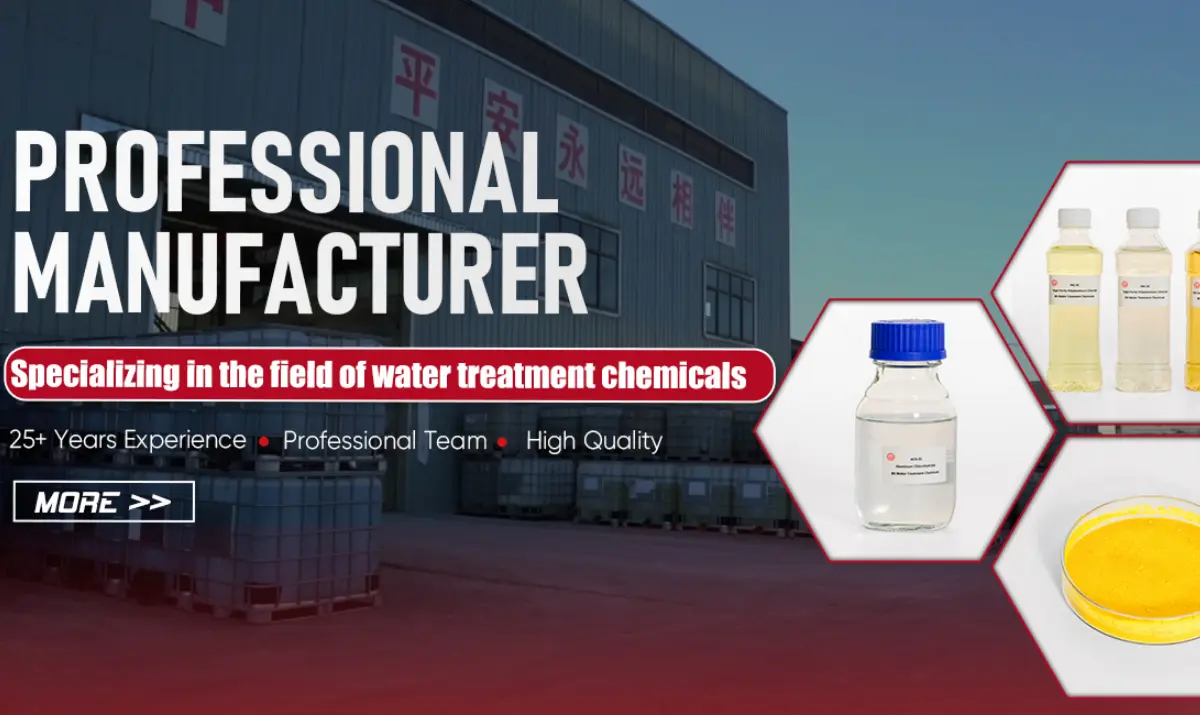
Wuxi BS Water Treatment Chemicals Co., Ltd. continues to build international pipelines to support rapidly developing industrial zones in Thrace and Istanbul, enhancing dual-channel delivery speeds.
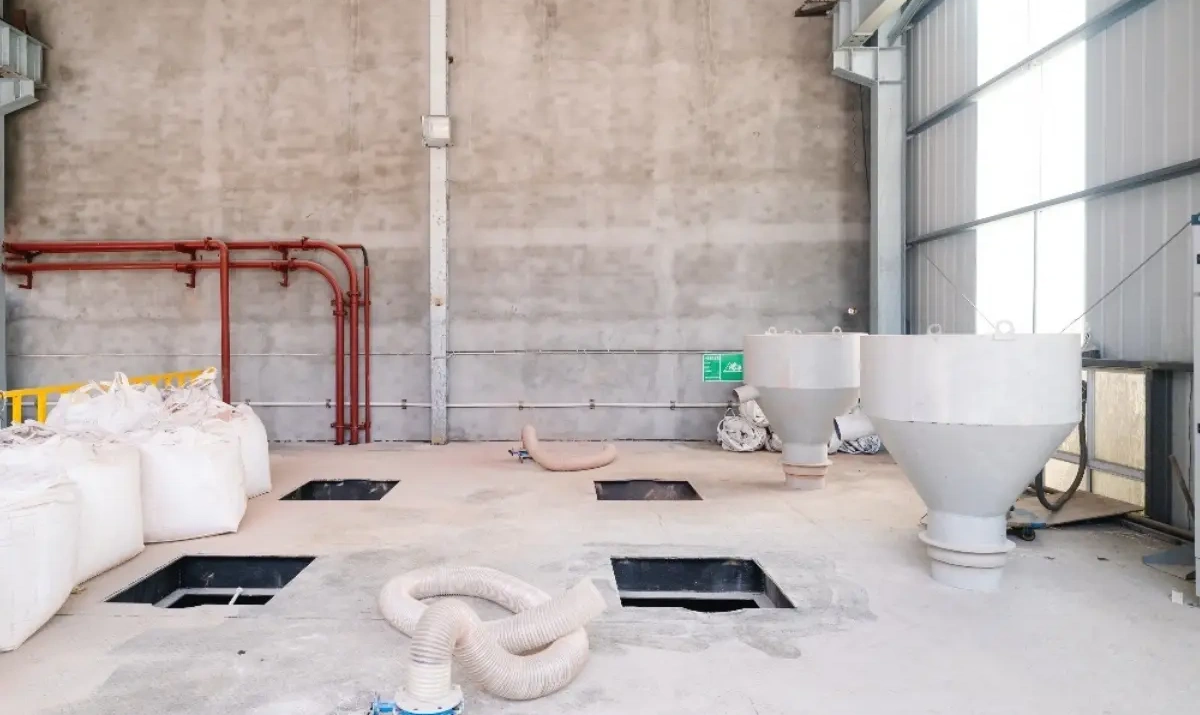
Enhancing the dissolution rate of dry polyacrylamide and polyaluminium chloride granules for high-throughput municipal wastewater plants.
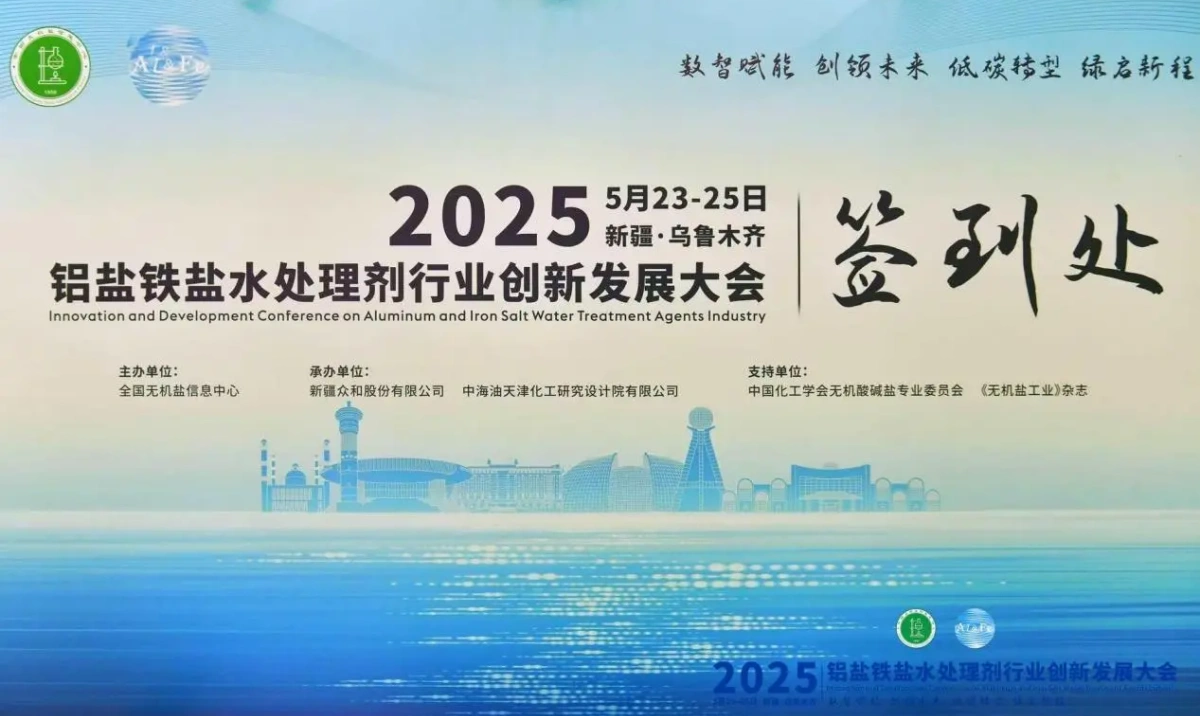
Under the context of Carbon Neutrality targets, we discussed advancements in low-sludge-producing dicyandiamide organic polymers.
Get high-grade Water Decoloring Agent direct from our manufacturing facility in China. Fill out our contact form, and our regional chemical engineers will get back to you with free jar test analysis and pricing.
 BS Water