Engineered specifically to handle high organic load and salinity profiles of Azerbaijan industrial wastewater.
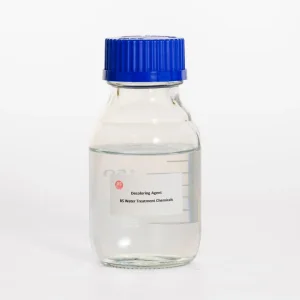
Primary cationic polymer designed to break organic complex dye molecules, providing unmatched color removal in textile and dye effluents.
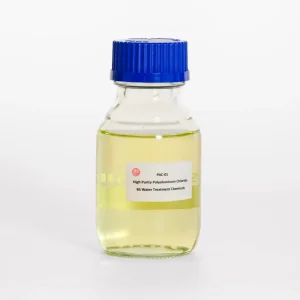
Low-heavy-metal inorganic coagulant ideal for drinking water processing and advanced food-industry wastewater clarification systems.
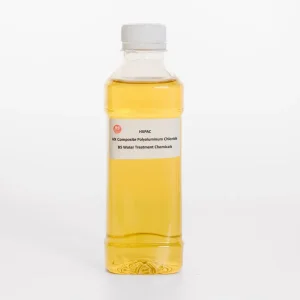
Synergistic multi-functional composite designed for high-salinity oilfield produced water clarification and rapid mud settlement.
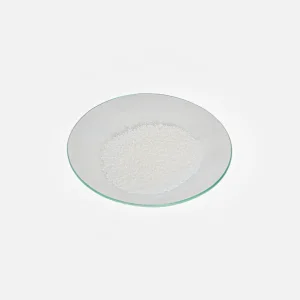
High molecular weight flocculant tailored for sludge dewatering in municipal treatment plants and organic process clarification.
Azerbaijan, situated at the crossroads of Eastern Europe and Western Asia, is experiencing significant economic expansion centered around oil and gas exploitation, agricultural development, and textile processing. However, the geographic reality of Azerbaijan dictates severe water stress, especially given that up to 70% of the country's surface water reserves originate outside its borders. The preservation of the Caspian Sea coastline and the protection of transboundary waterways like the Kur and Araz rivers demand top-tier waste remediation.
In key industrial centers such as Baku, Sumgait, Ganja, and Mingachevir, industrial discharge is closely monitored by the Ministry of Ecology and Natural Resources under strict national limits. In particular, the Sumgait Chemical Industrial Park (SCIP) houses modern manufacturing units, textile dye houses, and petrochemical installations. The wastewater discharged from these industries exhibits high chemical oxygen demand (COD), intense coloration, high levels of suspended solids (TSS), and persistent organic pollutants. Traditional sedimentation agents fail to remove complex organic azo dyes and oilfield emulsion binders, necessitating specialized chemical interventions like cationic water decoloring agents (WDA).
Textile mills in Sumgait frequently run processes using reactive, acid, and disperse dyes. The resulting effluent is highly colored and alkaline. When mixed with the natural brackish water of local basins, standard inorganic metal salts (like alum or ferrous sulfate) produce massive sludge volumes and fail to reach required decolorization rates. Cationic polymeric decoloring agents provide the charge neutralization necessary to destabilize these dissolved pigments without generating massive dry solid footprints.
Modern industrial wastewater strategy is moving away from basic end-of-pipe treatment toward Zero-Liquid Discharge (ZLD) paradigms and circular economy recycling. Wuxi BS Water Treatment Chemicals Co., Ltd. works directly with plant operators in Azerbaijan to deploy integrated chemical treatment lines. By combining primary color removal agents with composite coagulants and high-performance polyacrylamides, we achieve water purities high enough for in-plant loop recycling, cutting freshwater acquisition costs by up to 60%.
Whether treating process water in paper pulp production, settling drilling muds in oilfields, or removing colors in commercial laundry units, our technical formulations target the molecular structures of persistent pollutants. Our approach focuses on reducing biological oxygen demand (BOD), COD, color index (Pt-Co units), and micro-emulsions to values well below local environmental thresholds, avoiding costly municipal discharge fines.
Historically, color removal was treated as an afterthought in industrial water purification, reliant on heavy applications of chlorine or activated carbon absorption. These options present significant drawbacks: chlorination of organic-heavy wastewater forms carcinogenic trihalomethanes (THMs), while activated carbon requires expensive thermal regeneration cycles. The global chemical industry shifted toward synthesized organic polymers, specifically dicyandiamide-formaldehyde resins and quaternary ammonium salts.
These advanced polymers function as powerful cationic coagulants. They have high concentrations of positive-charged nitrogen active sites that attract, neutralize, and bridge the negatively charged sulfonic group dye molecules. The resulting organic complex collapses into large, insoluble micro-flocs. When combined with minor dosages of anionic polyacrylamide, these micro-flocs aggregate into thick, rapidly settling macro-flocs, which can be cleanly extracted via Dissolved Air Flotation (DAF) or standard clarifiers.
In Baku's onshore and offshore drilling sectors, produced water contains highly stabilized oil-in-water emulsions. Decoloring polymers break these emulsions, releasing oil for recovery and producing clean water for Caspian injection.
Sumgait textile operations generate high-volume effluents filled with reactive azo dyes. Direct dosage of WDA reduces color density from 800+ Pt-Co down to under 30 Pt-Co, meeting drinking-water-basin discharge regulations.
Silt and humic acid colorations in raw water from the Kur River are effectively pre-treated using a dual regime of high basicty PAC and low molecular weight dicyandiamide polymers.
Optimal treatment performance depends on a clear chemistry roadmap. For reactive dyes, the primary dosage ratio must match the dye concentration precisely to achieve complete charge neutralization (known as the Isoelectric Point). Over-dosing can cause restabilization of the colloidal particles, which disperses the color again. The schematic chart below outlines the key parameters monitored during a typical process optimization at Wuxi BS Water Treatment Chemicals:
Our 27-year trajectory in chemical water treatment technology.
Wuxi BS Water Treatment Chemicals established, introducing high-performance monomer synthesis lines for organic flocculants.
Renamed as Wuxi Bisheng Water Treatment Agent Co., Ltd., expanding corporate research laboratory for specialized dicyandiamide polymer research.
Began global distribution, exporting advanced coagulants to Southeast Asia, Europe, and the Middle East.
Annual global sales exceeded 10,000,000 USD, with substantial infrastructure investments in automated packing machinery.
Established a dedicated foreign trade department to optimize logistics, technical deployment, and local compliance for the Caspian and Azerbaijani industrial markets.
Frequently asked questions by engineering teams in Baku, Ganja, and Sumgait.
Explore our complete collection of coagulants, flocculants, and specialized polymers for local industrial applications.
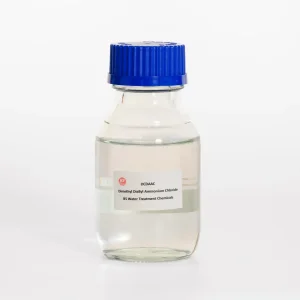
High cationic charge density diallyldimethylammonium chloride polymer, optimal for papermaking and oil refinery waste streams.
Engineered for rapidly treating municipal runoff and high turbidity river inputs containing fine clay suspensions.
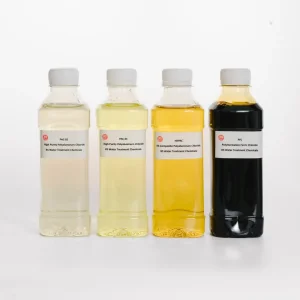
Fully pre-dissolved inorganic coagulant, providing immediate chemical dosing capability without preparation system delays.
High-molecular quaternary ammonium polymer designed as a primary coagulant and color retention agent in process industries.
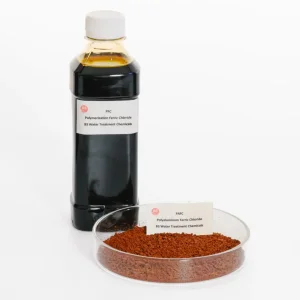
Iron-doped aluminum composite agent providing rapid flocs formation and excellent phosphorus removal in industrial effluents.
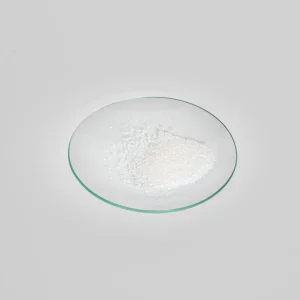
Ultra-high molecular weight bridging polymer designed to aggregate fine micro-flocs in mineral washings and coal runoffs.
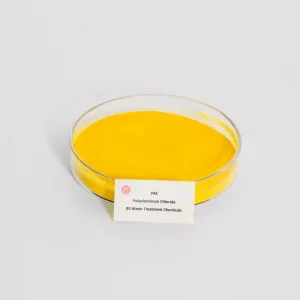
Premium grade dry solid packaging designed to resist humidity caking, ensuring easy dosing feeder performance.
Special formulation optimizing both charge neutralization and polymeric bridging pathways for challenging chemical waters.
Latest breakthroughs in polymer science and localized supply chain developments from Wuxi BS Water Treatment.
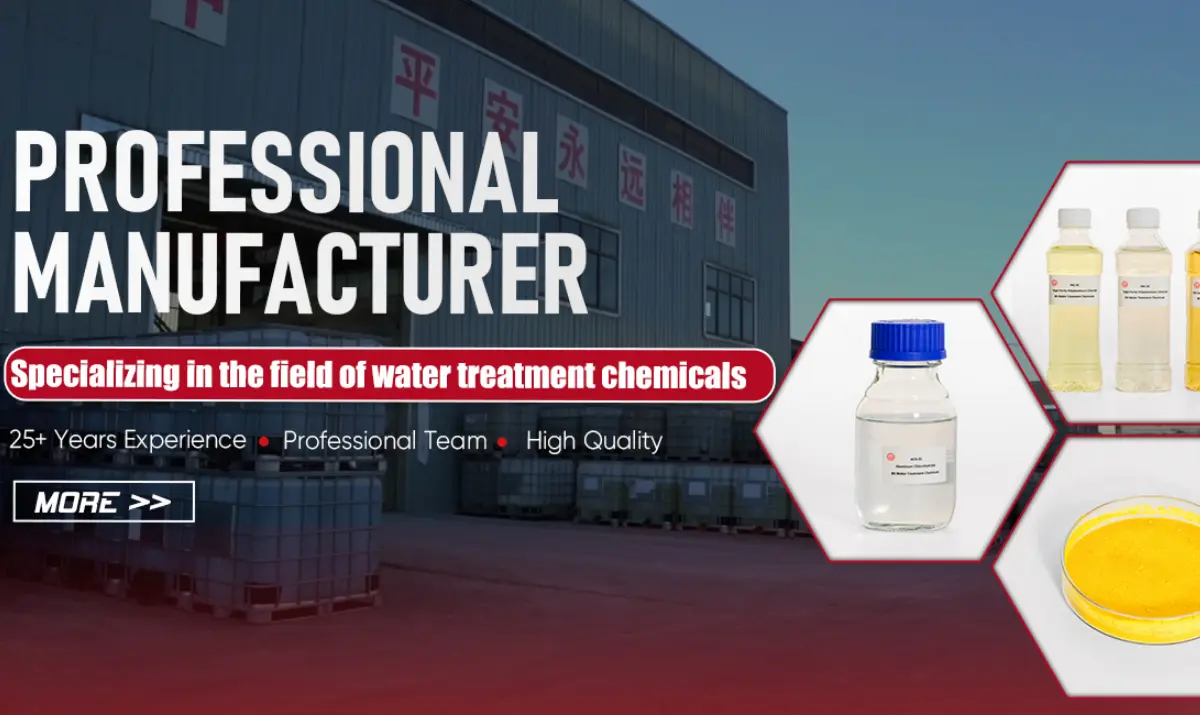
Wuxi BS has integrated dedicated distribution routes to serve Caspian industrial hubs, ensuring continuous chemical availability during peak regional demand seasons.
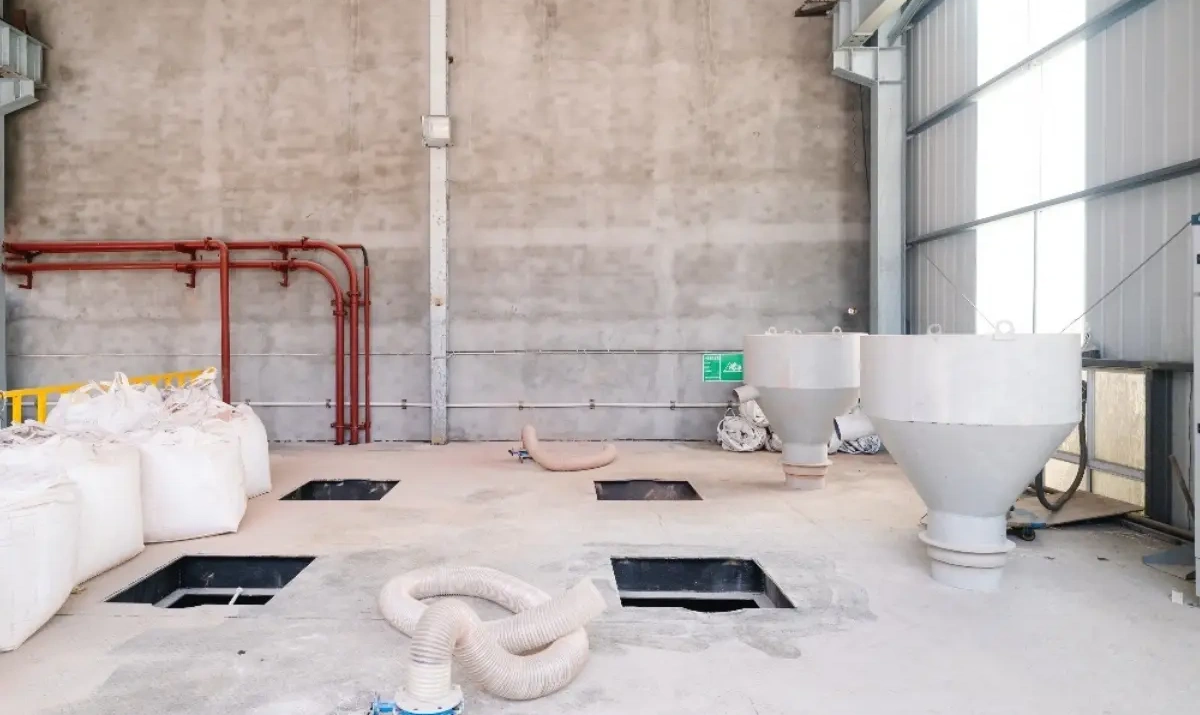
We have officially introduced automatic chemical feeders, allowing industrial wastewater processing operators to control active ingredient ratios remotely.
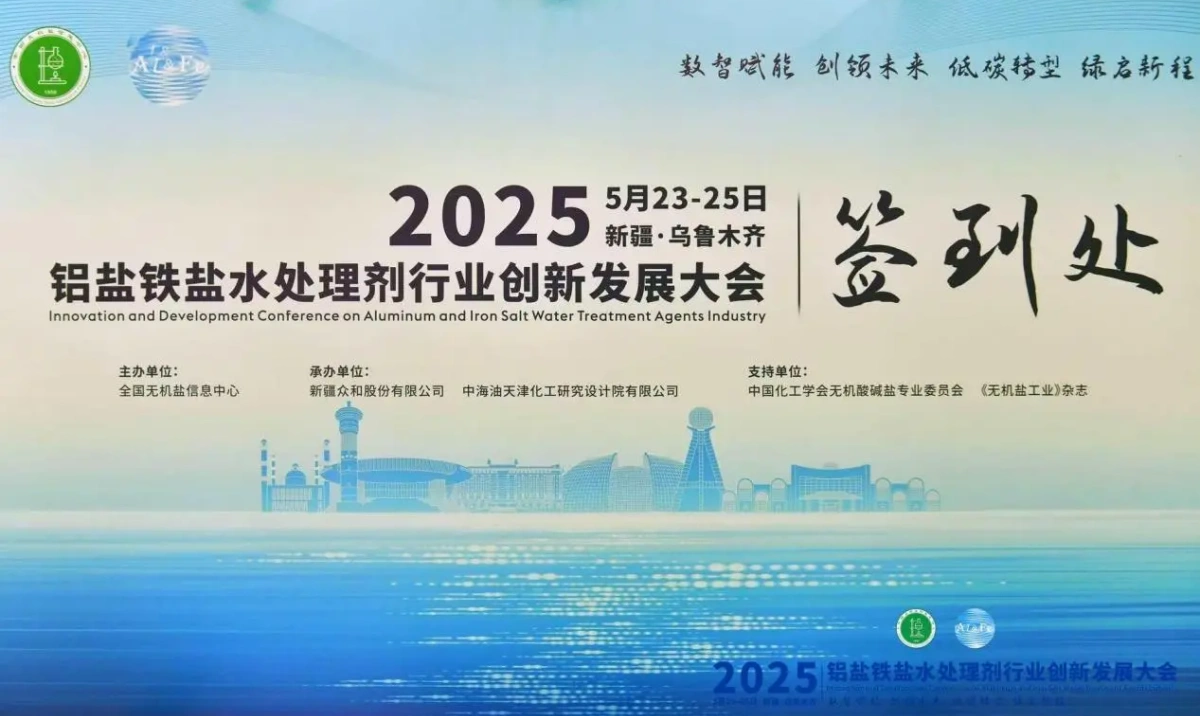
Wuxi BS presented a joint research paper on the synthesis of eco-friendly composite polymers, addressing structural concerns of toxic residues in treated water.
Partner with Wuxi BS Water Treatment Chemicals. Get custom dosage reports, material samples, and factory direct price quotes within 24 hours.
 BS Water