Engineered to target persistent organic dyestuffs and heavy industrial suspensions in Bangkok's processing zones.
Understanding the strict regulatory framework and specific effluent challenges in the Chao Phraya River basin.
The Greater Bangkok Metropolitan Area, encompassing industrial hubs like Samut Prakan, Pathum Thani, Samut Sakhon, and Chachoengsao, stands as the economic heartbeat of Thailand. Within these zones, the textile dyeing, pulp and paper, and wet chemical processing industries generate millions of cubic meters of colored effluent daily. Discharging untreated or partially treated colored water into natural streams and canals (klongs) connected to the Chao Phraya River causes severe ecological damage, blocking sunlight and depleting dissolved oxygen levels.
In response, Thailand's Ministry of Industry (DIW) and the Pollution Control Department (PCD) have tightened effluent guidelines, shifting from traditional BOD/COD measurements to modern ADMI (American Dye Manufacturers Institute) color standards. For many local manufacturers, complying with these strict color limitations is an ongoing operational battle. Traditional biological systems (like activated sludge) are highly ineffective at breaking down modern synthetic organic dyes, especially reactive dyes, acid dyes, and disperse dyes, which are designed to resist biological oxidation and light degradation.
This regulatory shift has created an urgent demand for highly specialized Water Decoloring Agents (WDA) that can break down complex molecular bonds rapidly and safely. Finding a reliable manufacturer with a solid supply chain who can provide tailored solutions for Bangkok's high-temperature, high-salinity wastewater is paramount for local factory compliance and uninterrupted production.
The chemical science of organic polymeric dicyandiamide-formaldehyde resins in wastewater clarification.
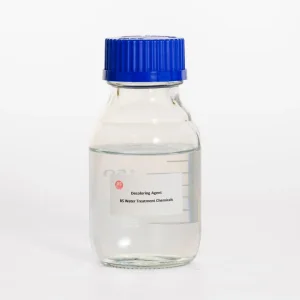
Wuxi BS Water Treatment's proprietary Water Decoloring Agent (WDA) is a highly cationic copolymer based on dicyandiamide-formaldehyde resin chemistry. Its action mechanism is fundamentally built on charge neutralization, adsorption, and bridging flocculation.
Synthetic dyestuffs used in Bangkok’s textile mills, such as reactive dyes, contain strongly anionic sulfonic acid groups (-SO3-) that keep the dye dissolved in aqueous solution. Our WDA carries a high density of positive charges (quaternary ammonium groups). When dosed into the effluent, the polymer chains rapidly attract and neutralize the negative charges of the dissolved dye molecules. This disrupts the electrostatic stability of the dyes, causing them to precipitate out of the solution phase.
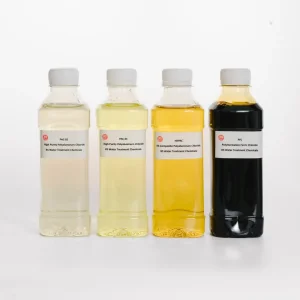
Once the dye molecules are destabilized, the long polymeric chain of the WDA adsorbs these neutral particles. Through physical entanglement and chemical bridging, these micro-flocs are bound together to form large, dense macro-flocs. When combined with inorganic coagulants like Polyaluminum Chloride (PAC) or polymeric iron salts, the floc density increases exponentially, resulting in rapid sedimentation.
| Parameter | High-Efficiency WDA Specification | Application Benefits for Bangkok Mills |
|---|---|---|
| Appearance | Colorless to light-colored, viscous liquid | Easy inline pump dosing without solid dilution steps |
| Active Ingredient | ≥ 50% | High concentration reduces shipping weight and storage footprints |
| pH Range | 3.0 - 6.0 (Product), 6.0 - 10.0 (Optimal Working) | Versatile operation within standard neutral-to-alkaline textile ranges |
| Viscosity (25°C) | 50 - 250 mPa.s | Optimal pumpability, even in high ambient temperatures |
Custom chemical programs for textile dyeing, pulp & paper, and industrial municipal polishing.
Specifically targets high-concentration reactive and acid dye wastewater. Combines WDA with PAC in a continuous coagulation-flocculation process. Achieving up to 98% color removal and over 60% COD reduction, allowing safe discharge to industrial estate treatment channels.
Removes recalcitrant lignin compounds and fine cellulose fibers from black liquor wastewater. Using WDA in conjunction with Anionic Polyacrylamide (APAM) provides high shear resistance in clarifiers, leading to dry sludge cake formation.
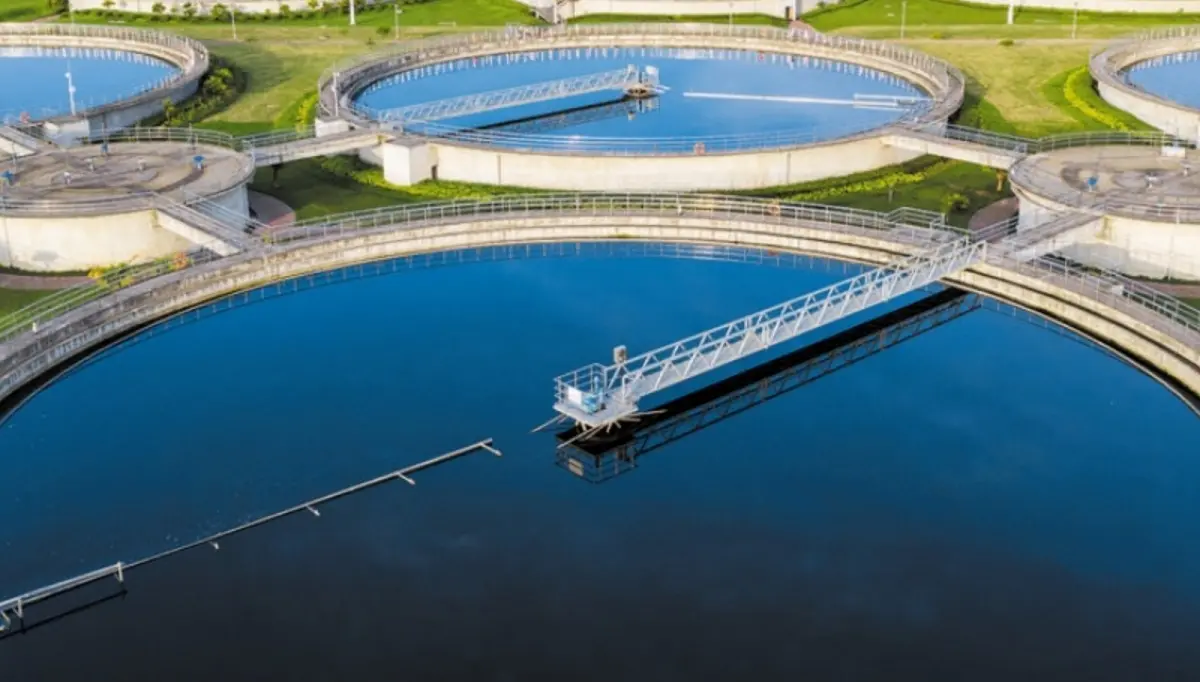
Polishing treatment for multi-tenant industrial estate effluents. Ideal for removing persistent organic colors and suspended solids prior to reverse osmosis (RO) membrane filtration, preventing organic fouling.
Founded in 1998, Wuxi BS Water Treatment Chemicals Co., Ltd. is a globally recognized technology leader. We specialize in producing a comprehensive portfolio of chemicals for drinking water and complex industrial wastewater purification. Over nearly three decades, we have continuously driven product innovation, combining advanced digital manufacturing with strict quality assurance systems.
Our production facilities utilize modern digital dosing and synthesis lines, supporting an annual sales volume of over 500,000 tons. Our state-of-the-art warehouses hold more than 20,000 tons of finished products, ready for fast domestic dispatch and direct shipping to major international ports like Laem Chabang and Bangkok (Klong Toey).
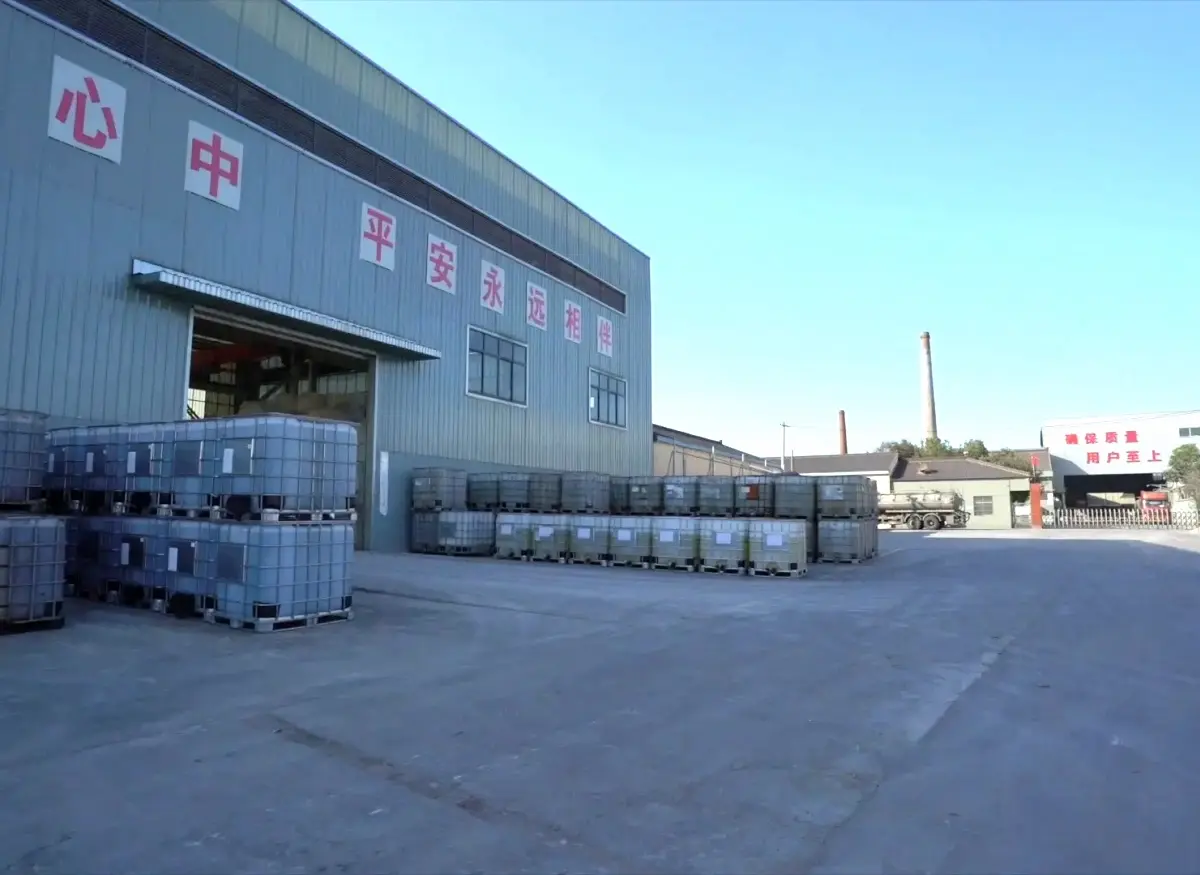
Providing seamless, bulk chemical logistics from China's smart manufacturing hubs directly to Thailand.
Procuring chemicals globally requires strict supply chain reliability. Wuxi BS has integrated Industry 4.0 automation throughout our manufacturing cycle. Our automated reaction vessels control heat, reactant feeding speeds, and polymer molecular weight distribution within microscopic tolerances.
Our location in China's chemical manufacturing corridor allows direct access to key raw materials, minimizing raw material supply shocks. For the Bangkok market, we provide optimized logistics routes. Ships originating from Shanghai or Ningbo ports reach Laem Chabang or Bangkok Port within 7–10 days.
How we grew from a regional chemical pioneer to an international water treatment authority.
The chemical manufacturing facility was established, focusing on inorganic coagulants.
Renamed as Wuxi Bisheng Water Treatment Agent Co., Ltd., launching active research on organic decolorizing agents.
Products entered the global marketplace, establishing key distribution networks across Southeast Asia, including Bangkok.
Annual export sales exceeded 10,000,000 USD, driven by bulk industrial partnerships.
Expanded foreign trade infrastructure and launched localized technical support programs for industrial parks in Thailand.
Explore our targeted product range designed for clarification, dewatering, and complete decolorization.
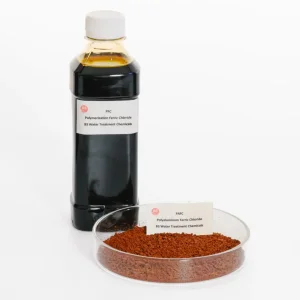
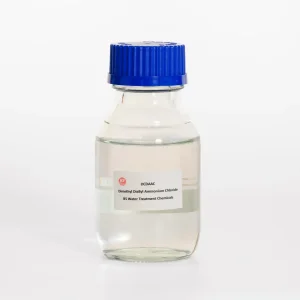
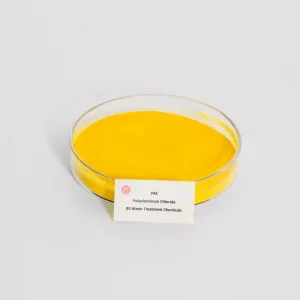
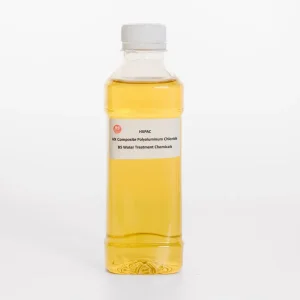
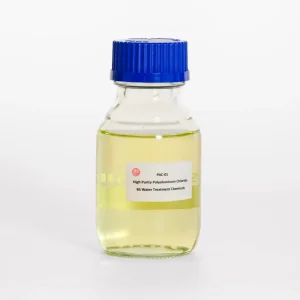
Ensuring complete regulatory compliance for importation and factory integration within Thailand.
Importing chemicals into Thailand requires conformity with the Hazardous Substance Act B.E. 2535 administered by the Department of Industrial Works (DIW). Wuxi BS ensures that all material safety data sheets (MSDS) are provided in both English and Thai, utilizing the Globally Harmonized System (GHS) of classification.
Our technical engineering team collaborates directly with Bangkok-based water treatment consultants and plant managers. We provide complimentary laboratory jar test programs using actual wastewater samples from your facility. This allows us to determine the exact optimal chemical dosage ratios, pH adjustments, and settling times prior to moving to industrial-scale plant trials.
By specifying our products, municipal and industrial plants in Bangkok, Samut Prakan, and Chonburi can successfully lower their chemical oxygen demand (COD), eliminate heavy metal precipitates, and maintain clear effluent in full alignment with national environmental codes.
| Compliance Body | Standard Met | Importers Advantage |
|---|---|---|
| Thailand DIW | GHS Compliant MSDS | Smooth customs clearance |
| ISO Quality Control | ISO 9001 & 14001 | Consistent chemical purity |
| Logistics Ports | Direct Sea Freight | Low transport overheads |
Addressing the core technical and logistics questions of municipal and industrial water treatment buyers.
Fenton oxidation relies on hydroxyl radical generation to break down dye chromophore bonds. While highly effective, Fenton reactions require low pH, continuous chemical feeds (iron sulfate + hydrogen peroxide), and produce high volumes of iron sludge. Our cationic Water Decoloring Agent (WDA) relies on electrostatic precipitation and physical flocculation. It operates at wider pH ranges, doesn't generate corrosive acidic environments, and creates significantly less solid sludge, lowering overall sludge handling costs.
Depending on dye types and concentration levels, standard dosages range from 10 to 100 ppm (parts per million), which equates to 10-100 grams of WDA per cubic meter of effluent. In high concentration reactive dye solutions, dosing WDA first, followed by a minor dosage of Polyaluminum Chloride (PAC) (50-200 ppm) and an anionic polyacrylamide flocculant (0.5-2 ppm), ensures clear, rapid settlement.
We primary offer FOB, CFR, and CIF terms to Port of Bangkok (Klong Toey) and Laem Chabang Deep Sea Port. Lead times from order placement and customization to arrival in Thailand average 14-21 days. We handle export customs declarations, phytosanitary requirements if necessary, and export compliance certificates.
No, our dicyandiamide-formaldehyde resin-based Water Decoloring Agents are strictly formulated for industrial and municipal wastewater decolorization. For drinking water clarification, we supply and recommend our NSF/ANSI standard equivalent High Purity Poly Aluminium Chloride (PAC) or high basicity Aluminum Chlorohydrate (ACH).
Get in touch with Wuxi BS Water Treatment chemical experts for custom dosages and chemical quotation programs.
A full chemical array to optimize clarifiers, thickeners, and filter press operations.
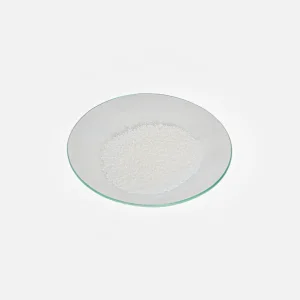
 BS Water