High-performance formulations engineered to meet Pakistan's National Environmental Quality Standards (NEQS).
Pakistan is currently experiencing an unprecedented industrial transformation, with major manufacturing hubs situated in Karachi, Lahore, Faisalabad, and Sialkot. However, this growth has generated severe environmental pressures, particularly concerning industrial effluent management. The textile processing sector, which accounts for over 60% of national exports, generates massive volumes of highly colored wastewater loaded with complex synthetic dyestuffs, surfactants, and heavy metals.
With the Pakistan Environmental Protection Agency (PEPA) enforcing the National Environmental Quality Standards (NEQS) with increasing stringency, factories must transition to advanced chemical treatment processes. Standard biological treatment systems often fail to break down persistent reactive, acid, and disperse dyes, leaving discharged waterways heavily discolored and loaded with high Chemical Oxygen Demand (COD).
Korangi Industrial Area (Karachi), Sundar Industrial Estate (Lahore), FIEDMC (Faisalabad), and Sialkot Tannery Zone.
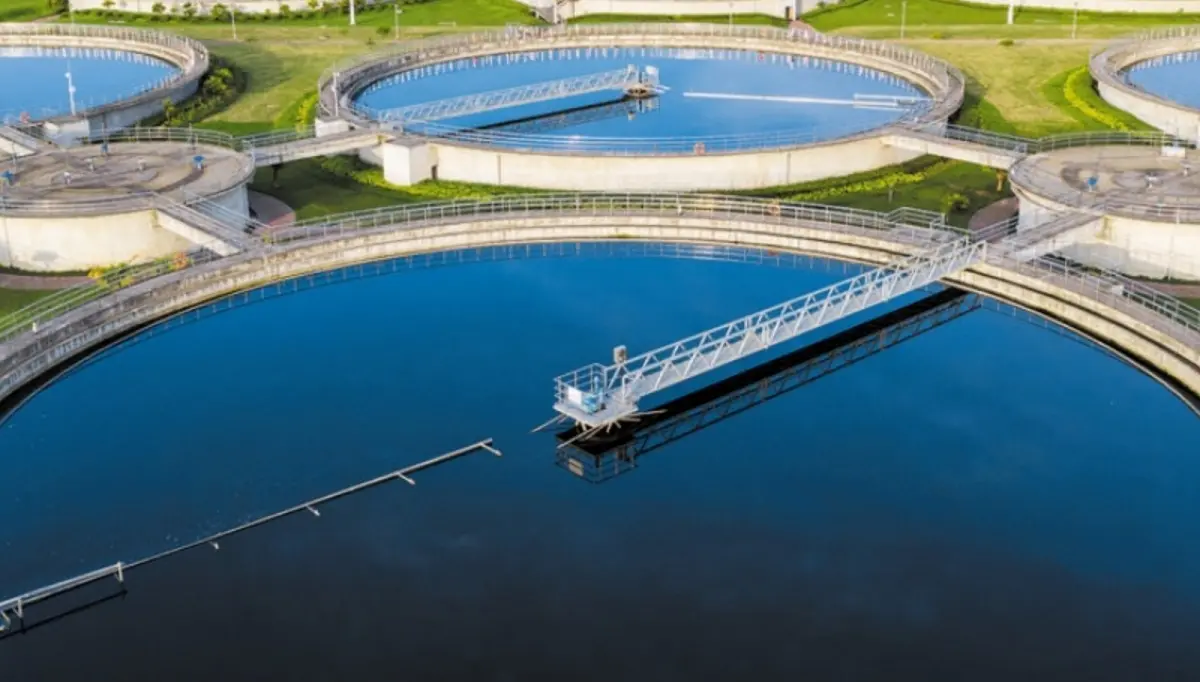
Understanding the molecular flocculation and color neutralization mechanics of Dicyandiamide Formaldehyde Resin.

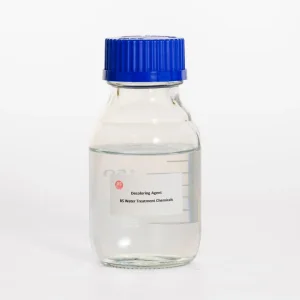
Our Water Decoloring Agent (WDA) is a quaternary cationic polymer consisting of a highly polymerized dicyandiamide formaldehyde structure. When introduced into highly colored effluents containing anionic soluble dyes, the high concentration of positive charges on the polymer backbone rapidly neutralizes the negative charges present on the dye molecules.
This charge neutralization breaks the dye's water-solubility barrier, forcing the dye molecules to aggregate. Our polymer's long-chain molecular bridging effect subsequently binds these micro-flocs into larger, rapidly settling macroscopic structures. This complexation process simultaneously strips out dissolved organic compounds, resulting in drop reductions of up to 50-80% in COD and over 95% in color intensity.
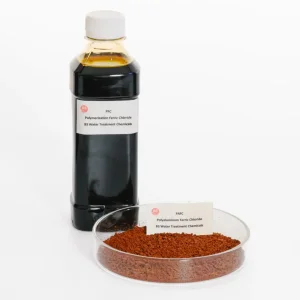
By combining WDA with inorganic coagulants like Polyaluminium Chloride (PAC) or Organic Flocculants like Polyacrylamide (PAM), treatment plants can maximize settling speeds and reduce overall chemical consumption costs.
A detailed comparison of chemical agents used in Pakistani industrial wastewater purification plants.
| Chemical Agent | Primary Function | Active Ingredient (%) | Target Pollutants | Optimal pH Range | Pakistan Industrial Application |
|---|---|---|---|---|---|
| Water Decoloring Agent (WDA) | Color Removal & COD Reduction | ≥ 50% Active Polymer | Reactive, Acid, Disperse Dyes | 6.0 - 9.0 | Textile Dyeing, Printing Houses, Paper Mills |
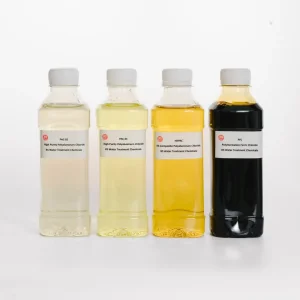
| Polyaluminium Chloride (PAC) | Primary Coagulation & Turbidity Removal | 10% - 17% (Liquid) / 30% (Solid) | Suspended Solids (TSS), Colloids | 5.0 - 9.0 | Tanneries, Municipal Water Treatment |
| Cationic Polyacrylamide (CPAM) | Sludge Dewatering & Solid-Liquid separation | ≥ 90% Powder / Emulsion | Organic Sludge, Colloidal Particles | 3.0 - 11.0 | Belt Filter Press, Centrifugation Dewatering |
| Anionic Polyacrylamide (APAM) | Flocculation & Sedimentation Acceleration | ≥ 90% Powder | Inorganic Particulates, Mineral Silt | 7.0 - 14.0 | Coal Washeries, Metal Extraction, Construction |
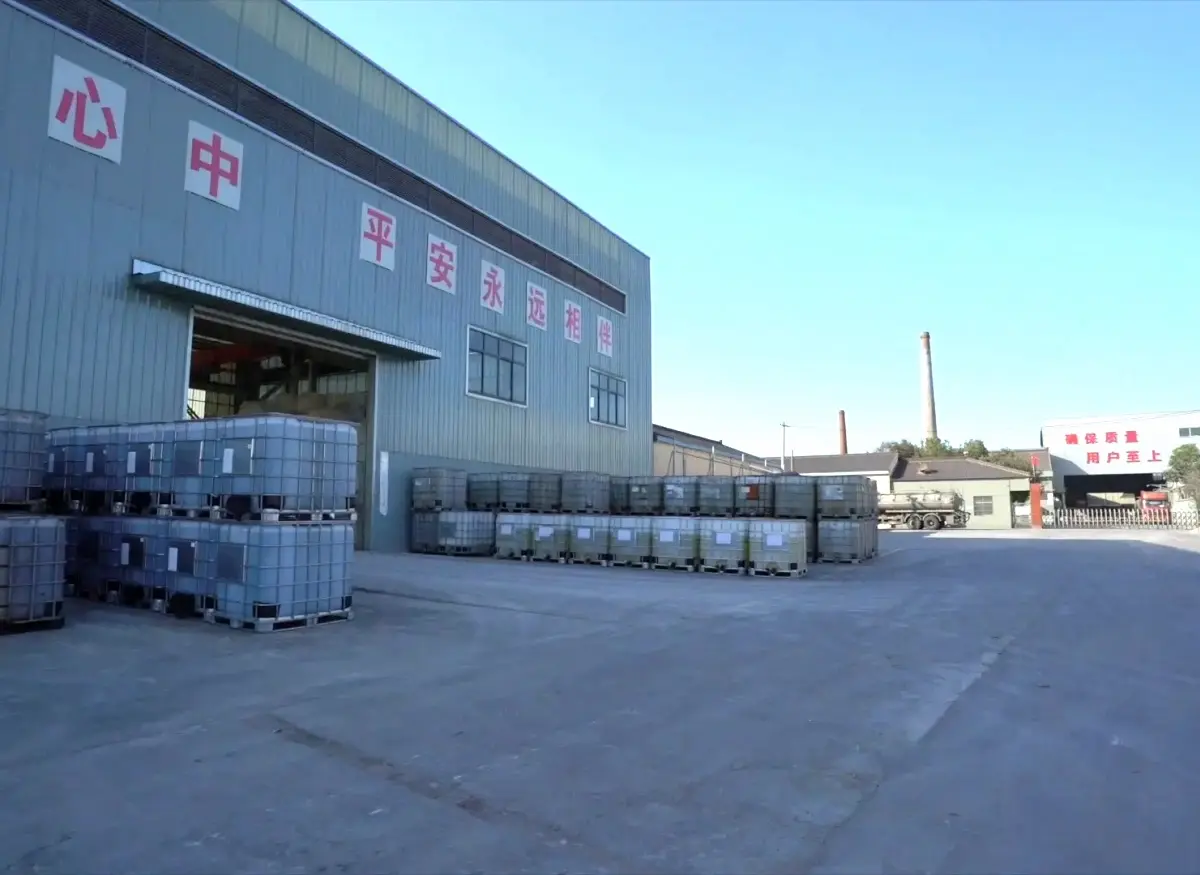
Established in 1998, Wuxi BS Water Treatment Chemicals Co., Ltd. is a globally recognized technology leader specializing in the R&D, production, and distribution of premium industrial water clarification chemicals. With over 27 years of deep-rooted expertise, we design bespoke chemical treatment regimens that target drinking water processing and multifaceted municipal/industrial wastewater purification.
Our manufacturing infrastructure leverages automated production sequences, guaranteeing absolute batch consistency and scalability. Backed by an extensive logistics system, we ensure reliable supply pipelines for distributors and large-scale industrial consumers throughout Pakistan.
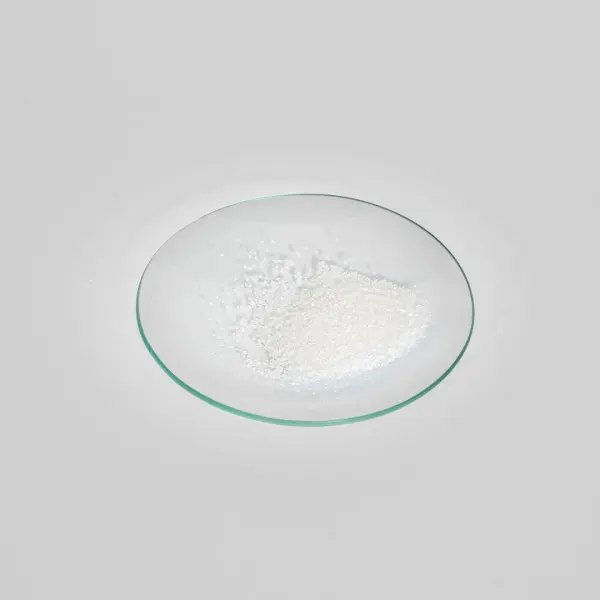
High-charge density polymeric solutions engineered for Pakistan's primary manufacturing sectors.
Combating highly concentrated effluents containing reactive, vat, and azo dyes. WDA provides instant decoloring, prevents sludge re-suspension, and drastically reduces COD and BOD levels in aeration basins.
Optimized polymer systems that act as retention aids and decoloring agents for paper mill process water, preventing staining on finished paper pulp and clarifying discharge effluents.
Tannery effluents in Sialkot and Karachi are highly loaded with chromium, sulfides, and color. The combined application of WDA with PAC clears dark organic complexes and precipitates heavy metal ions.
Tracking our growth from a local technical laboratory to an international water treatment powerhouse.
Establishment of our specialized chemical synthesis plant, targeting coagulation chemistry.
Re-organized production lines to focus on high-efficiency dicyandiamide polymer formulations.
Inaugurated global export networks, supplying distributors across Southeast Asia and the Middle East.
Annual global sales revenue exceeded $10 Million USD, driven by expansion in Pakistan, Bangladesh, and Central Asia.
Launched dedicated regional technical support channels for Pakistani industrial zones to streamline NEQS compliance.
High-molecular-weight coagulants and flocculants engineered for municipal and industrial water treatment systems.
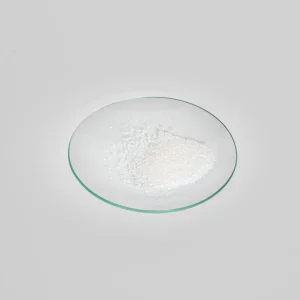
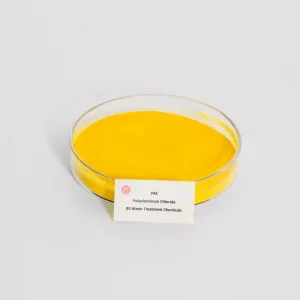
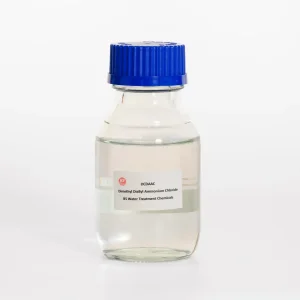
Crucial chemistry answers for process engineers, environmental consultants, and purchasing managers in Pakistan.
The precise dosing ratio is dependent on the dye concentration, chemical structure, and wastewater type. Under normal operations, WDA dosage ranges between 40 to 100 ppm (i.e., 40-100 grams of chemical per cubic meter of wastewater). To optimize efficiency, it is highly recommended to perform a jar test prior to industrial dosing. Dilute WDA with 10-40 times water, adjust wastewater pH to 7.0-8.0, and add the product under rapid mixing.
Yes, this is an industry-standard best practice. Adding WDA first followed by PAC leverages synergistic coagulation dynamics. WDA neutralizes dye charges and initiates micro-floc formation, while PAC bridges these micro-flocs into massive, easily filterable aggregates. This combination can cut WDA consumption by 30-50%, drastically reducing overall chemical expenses for treatment plants in Pakistan.
pH is a critical parameter. The optimal operating window for our polymer range is between pH 7.0 and 8.5. If the industrial wastewater is highly acidic or alkaline (common in dye-house discharges), the polymer chain ionization state shifts, reducing charge neutralization capacity. Pre-adjusting the pH with sodium hydroxide or sulfuric acid is vital before dosing WDA.
We operate highly streamlined logistics pipelines to Pakistan. Bulk chemical consignments are dispatched in standard 30kg, 250kg plastic drums, or 1250kg IBC tanks. Shipments are loaded from Chinese ports (such as Shanghai or Ningbo) and arrive at the Port of Karachi or Port Qasim within 15 to 22 transit days. We supply full certification including COA, MSDS, and custom clearance documents.
Partner with Wuxi BS Water Treatment. Our environmental chemists provide site-specific jar testing, custom polymer compounding, and prompt door-to-port freight logistics directly to Pakistani industrial clusters.
 BS Water