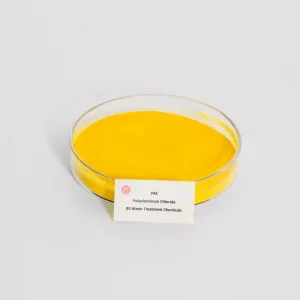
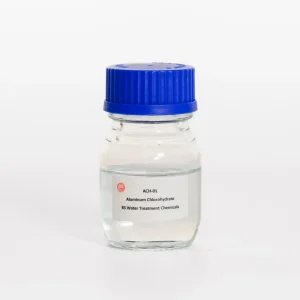
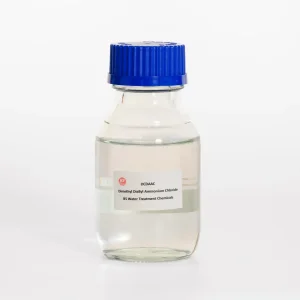
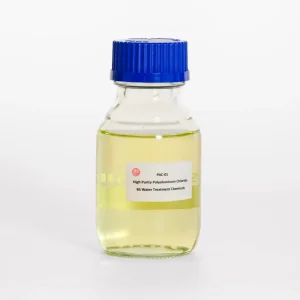
Wuxi BS Water Treatment Chemicals offers a complete line of premium coagulants and flocculants engineered to meet demanding industrial separation specifications.
Non-ionic polyacrylamide (NPAM) is a highly water-soluble homopolymer formed through the polymerization of acrylamide monomers without functional ionizable groups. With a completely neutral molecular structure, NPAM relies primarily on its extensive linear chain configuration and abundant amide groups (-CONH2) to perform chemical flocculation. Unlike cationic or anionic alternatives, NPAM remains unaffected by pH variations or high salt concentrations, making it a reliable choice for challenging environments.
By forming strong hydrogen bonds with suspended particles containing hydroxyl, carboxyl, or oxide surfaces, NPAM functions via a classic bridging mechanism. The polymer chain adsorbs onto multiple suspended solids simultaneously, facilitating the rapid growth of dense flocs. This neutral charge profile prevents electrostatic repulsion in highly acidic, salty, or complex organic waste streams.
For chemical engineers and procurement professionals, selecting the correct NPAM grade requires evaluating three primary technical parameters:
Wuxi BS processes raw materials with tight quality controls to minimize residual acrylamide monomer (under 0.05%), ensuring safe handling and meeting environmental standards.
Industrial expansion and stricter environmental regulations have made non-ionic polyacrylamide a critical component in separation processes worldwide.
NPAM is widely used in metal extraction and mineral processing, particularly in acidic tailings, coal washing, and copper ore flotation. It aids in rapid water recovery and helps operators meet dry-stack disposal requirements.
In industries such as chemical manufacturing, electroplating, and steel pickling, wastewater streams are often highly acidic. NPAM maintains its structure and effectiveness where ionic polyacrylamides typically break down.
In agriculture and civil engineering, NPAM is used to bind soil particles, helping to prevent erosion from wind and water. Its neutral charge ensures it does not alter soil chemistry or harm local ecosystems.
Founded in 1998, Wuxi BS Water Treatment Chemicals Co., Ltd. has developed into a leading supplier of water treatment chemicals. Located in Jiangsu Province, China, our facilities utilize automated polymer synthesis systems that balance high production capacity with strict quality control.
Our operation benefits from vertical integration, sourcing key chemical precursors locally to buffer against global supply chain disruptions. This structural advantage allows us to offer consistent product quality, competitive pricing, and reliable delivery to partners worldwide.
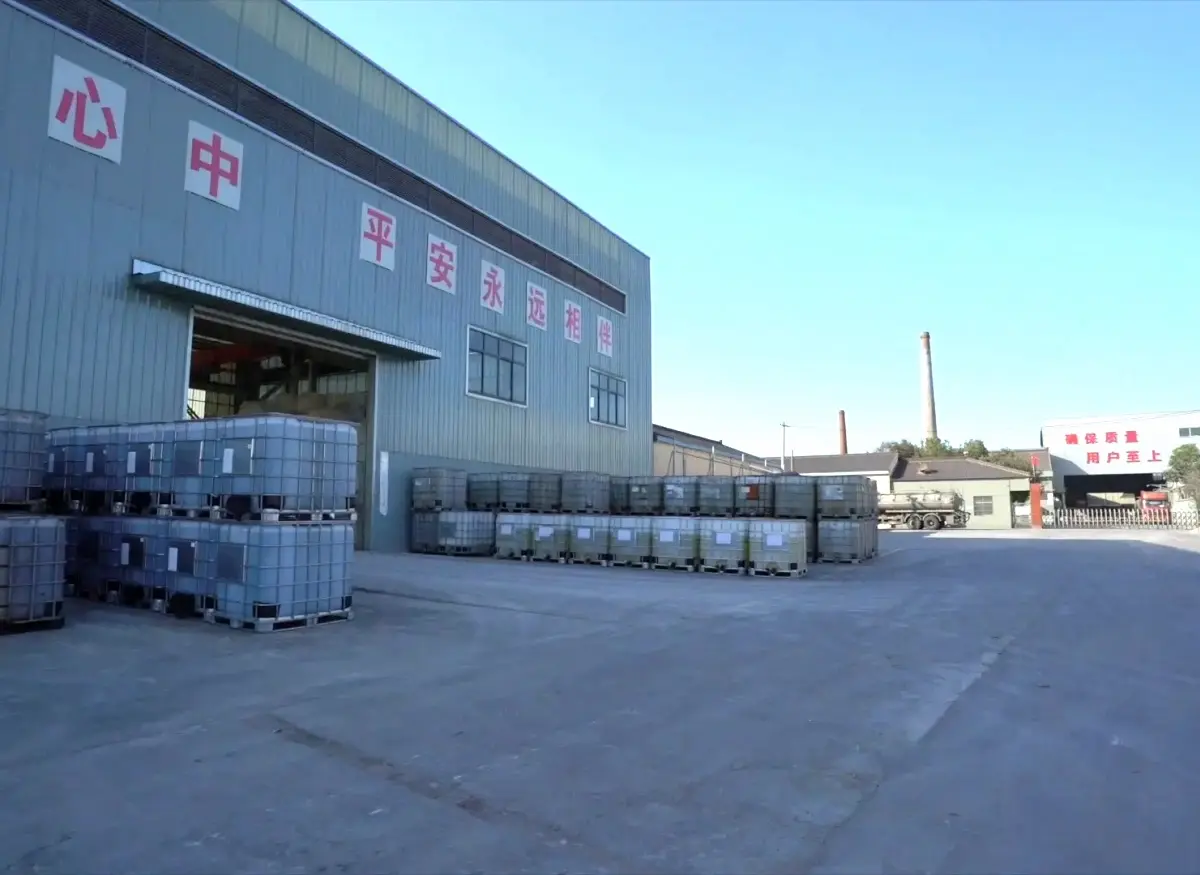
NPAM provides tailored separation performance across diverse industrial processes.
We collaborate with clients to formulate, package, and deliver custom polyacrylamide variants tailored to specific site conditions.
Our engineers provide complete technical support, including water analysis, dosage optimization, and advice on storage and handling.
With an annual sales volume exceeding 500,000 tons and a dedicated warehouse of over 20,000 tons, we are equipped to handle large, regular supply agreements.
We maintain automated production lines and comprehensive quality control systems to ensure batch consistency and on-time delivery.
We focus on continuous product innovation, refining polymer structures to improve shear stability, hydration times, and performance under high temperatures.
Since 2007, our products have been exported globally. We provide full export documentation and support custom packaging options, including seaworthy bulk bags and double-walled containers.
Wuxi BS's evolution from a regional chemical manufacturer to a global water treatment supplier.
Established as a localized water treatment plant focusing on coagulant production in Jiangsu.
Renamed to Wuxi Bisheng Water Treatment Agent Co., Ltd. and upgraded facilities to support synthetic polyacrylamide production.
Expanded distribution networks to begin exporting products to Southeast Asia, Europe, and the Americas.
Annual sales exceeded 10 million USD. We also designed and manufactured specialized industrial equipment, including large-scale absorption chillers for chemical plants.
Established our dedicated foreign trade department and introduced smart solid feeding systems to improve dosing precision for industrial customers.
Our chemical formulations and manufacturing processes comply with international quality, environmental, and safety standards.

Certified Quality Management Systems cover every stage from raw monomer selection to final shipping inspections.
Environmental Management Systems are integrated into our operations, focusing on emissions control, waste reduction, and energy efficiency.
Independent laboratory testing verifies that our products contain low heavy metals and low residual monomer, meeting strict international standards.
Procuring polymers for large-scale operations requires assessing several factors beyond price per ton. The molecular weight and ionic charge of the polymer should align with the specific characteristics of your slurry or wastewater. For instance, using high-charge cationic polymers in acidic mineral tailings can cause charge reversal and stabilize the suspension, rather than settling it.
When requesting quotes, we recommend providing the following parameters to ensure we recommend the optimal formulation:
Before placing a bulk order, we suggest conducting jar tests with representative waste samples. Evaluating settling speeds, flock size, and filtrate clarity can help identify the most cost-effective dosage and product grade. We provide sample packages and lab testing support to help determine the correct specifications for your application.
Find answers to common questions about non-ionic polyacrylamide (NPAM) applications, technical specs, and shipping.
NPAM (Non-ionic Polyacrylamide) has no charged groups and works through hydrogen bonding and physical bridging. APAM (Anionic) carries a negative charge and interacts with positively charged particles. CPAM (Cationic) carries a positive charge and is typically used for organic sludges and municipal wastewater. NPAM is particularly effective in highly acidic or saline environments where charged polymers may lose performance.
Anionic polyacrylamides can lose their charge in highly acidic solutions because their carboxyl groups protonate, causing the polymer chains to contract and reduce performance. Non-ionic polyacrylamide remains neutral and maintains its linear structure, allowing it to continue bridging particles even at low pH values.
Our NPAM is available in molecular weights ranging from 6 million to 15 million Daltons. Low to medium molecular weight grades are typically used for applications requiring low viscosity, while high molecular weight grades are preferred for rapid flocculation in mining and municipal applications.
NPAM should be dissolved in water at a concentration of 0.1% to 0.5%. The powder should be added slowly to moving water to prevent clumping. Mix the solution at a low speed (under 200 RPM) for 60 to 90 minutes to ensure the polymer is fully dissolved without shearing the molecular chains.
Dry NPAM powder has a shelf life of up to 24 months when stored in a cool, dry place in its original sealed packaging. Once dissolved, the liquid solution should be used within 24 to 48 hours, as the polymer chains will gradually degrade and lose effectiveness over time.
Yes. We manufacture drinking-water-grade flocculants with residual acrylamide monomer levels strictly controlled under 0.05% (500 ppm). These products comply with international safety standards for municipal water treatment.
Our standard packaging is 25kg multi-wall paper bags with an inner plastic liner. For larger volumes, we also offer 750kg, 900kg, and 1000kg bulk bags (FIBC) on pallets, complete with moisture-barrier wrapping.
For standard specifications in our warehouse, we can ship within 7 to 10 days of order confirmation. Custom formulations or specialty packaging typically require 15 to 25 days, depending on production scheduling.
Yes. Our laboratory can run jar tests on your water samples to determine the most effective dosage rates, polymer selections, and mixing conditions for your plant's specific setup.
We work with standard international commercial terms, including FOB, CFR, and CIF. Payment terms are typically managed via T/T or L/C, depending on the order volume and credit profile of the purchasing organization.
Browse our full catalog of water treatment chemicals for heavy industry, mining, and municipal filtration applications.
Get in touch with our technical team to discuss product specifications, request samples for jar testing, or receive a bulk pricing quote.
 BS Water