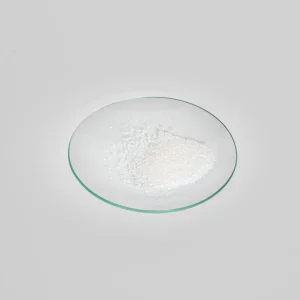
Advanced polymers, inorganic coagulants, and organic decolorizing agents configured for heavy-duty industrial sludge conditioning.
Established in 1998, Wuxi BS Water Treatment Chemicals Co., Ltd. has stood at the vanguard of polymer and coagulant technology for almost three decades. Operating out of our advanced chemical synthesizing complexes in Jiangsu province, we supply global utilities, mining conglomerates, petroleum refineries, and manufacturing mills with state-of-the-art reagents designed for municipal and industrial wastewater process optimizations.
With an annual sales volume exceeding 500,000 tons and holding finished product inventory exceeding 20,000 tons in climate-controlled warehousing facilities, our capacity profiles guarantee structural delivery integrity even during global trade disruptions. To date, Wuxi BS has integrated chemical systems within more than 1,000 global production environments, refining sludge flocculating economics and satisfying stringent biological effluent metrics.
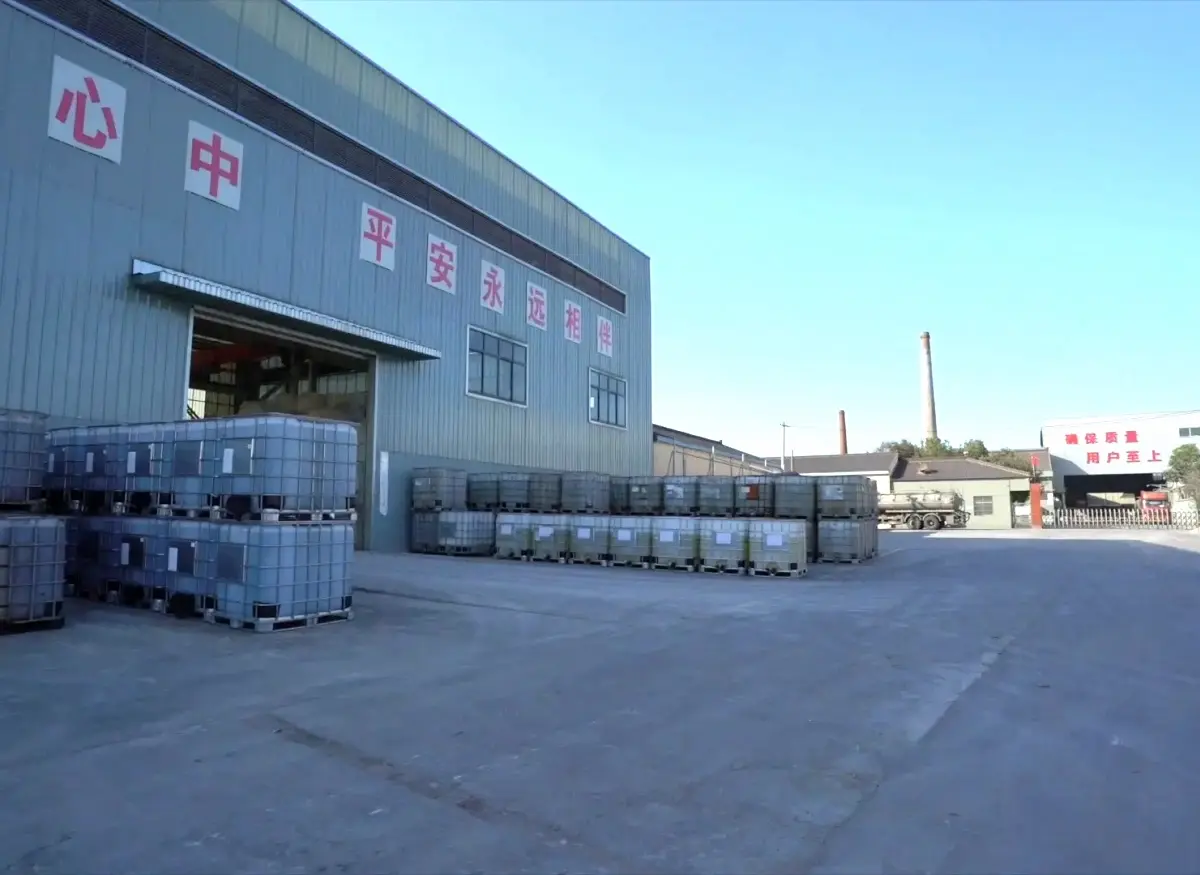
An authoritative industry analysis on how chemical dosing configurations dictate cake dryness, cycle times, and overall treatment economics.
In sludge water management, particulate materials exhibit microstructural negative surface potentials (zeta potential ranging from -10mV to -50mV). To collapse the electrostatic double layer and encourage macro-floc consolidation, target chemical systems must apply selective high-charge density cationic polymers. Cationic Polyacrylamide (CPAM) and Poly(diallyldimethylammonium chloride) (PDADMAC) are primary agents utilized for this application.
By implementing charge neutralization and interparticle bridging mechanisms, high molecular weight polymers adsorb onto organic/inorganic suspended solids. The resulting structure yields macroflocs capable of resisting shear stresses generated during dewatering in centrifuges, belt filter presses, and chamber plate filter presses. Optimizing molecular weight (MW) distribution ensures the formation of robust water drainage pathways in the sludge matrix, dramatically accelerating filtration kinetics.
Regulatory systems globally are enforcing stringent guidelines on landfill waste composition and industrial discharge quality. This regulatory shift changes how operators evaluate sludge conditioning economics:
Sourcing chemicals for large-scale operations involves verifying crucial technical and logisitical performance thresholds:
Effective treatment of emulsified oil and organic oily wastewater via selective cationic conditioning. Our high-purity coagulants accelerate phase separation and ensure low-turbidity oil-water interface control.
Retention and drainage chemistry utilizing highly cationic PDADMAC and APAM arrays. Prevents structural machine fouling, enhances fiber retention, and optimizes white water recirculation loops.
Aluminum Chlorohydrate (ACH) and Polyaluminium Chloride (PAC) systems targeting rapid turbidity reduction. Minimal heavy metal profiles keep finished municipal waters safe and clean.
A rigorous biochemical categorization of our core chemical portfolio, highlighting chemical formulations and physical specifications.
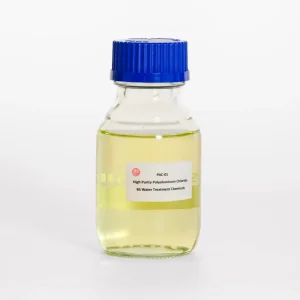
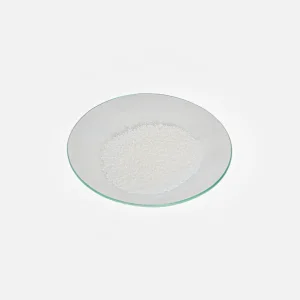
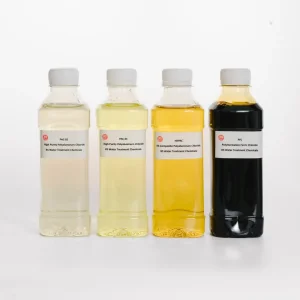
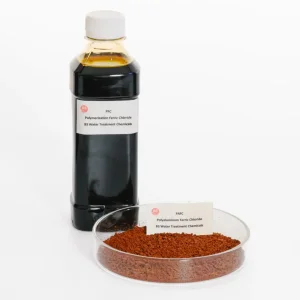
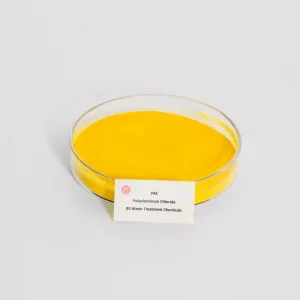
Wuxi BS synthesizes high purity PAC in solid (white powder/granules) and liquid versions (10% - 17% active ingredient). Engineered with high basicity ranges, PAC forms stable polynuclear complexes, guaranteeing fast macro-floc formation in challenging sludge streams.
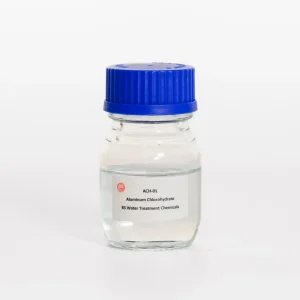
Highly concentrated inorganic liquid coagulant featuring maximum Al2O3 active levels and exceptional basicity (up to 83%). ACH works effectively at low dosages, minimizing chemical sludge volume while maintaining stable treatment pH profiles.
Available in Cationic (CPAM) and Anionic (APAM) linear chain forms. Our PAM products feature optimized charge densities (high, medium, low cationic) and diverse molecular weights, allowing for customized sludge cake release behavior.
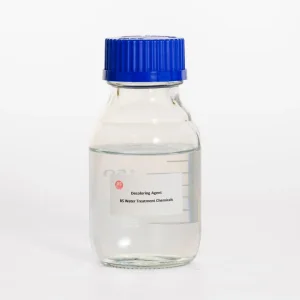
Cationic polymeric dicyandiamide-formaldehyde derivatives designed for textile, printing, and dye wastewater. WDA exhibits exceptional affinity for anionic dyes, quickly breaking down chemical organic color structures.
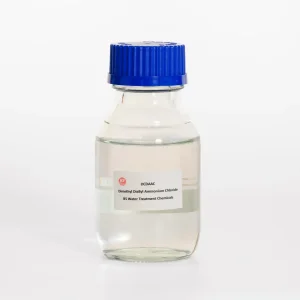
Highly cationic, water-soluble linear polymer with high charge density. Excellent stability across wide pH ranges makes it highly effective for sludge conditioning, oily water separation, and papermaking retention processes.
A composite coagulant combining the rapid coagulation of aluminium with the dense settling properties of iron. Ideal for heavy metal removal and settling refractory organic matter in industrial effluents.
Building a robust chemical supply infrastructure designed to meet global industrial demands over three decades.
Establishment of the synthesis plant, launching regional coagulation and flocculant supply programs across local municipalities.
Restructured and renamed as Wuxi Bisheng Water Treatment Agent Co., Ltd., expanding industrial polymerization synthesis assets.
Inaugurated global export divisions, dispatching high-purity polymers and coagulants to APAC, South American, and Middle Eastern regions.
Annual global export operations exceeded $10,000,000 USD, establishing our brand as a premier global chemical supplier.
Official launching of digitalized intelligent solid chemical feeding systems to optimize site-level customer dosing efficiency.
Detailed chemical engineering solutions for common plant-level wastewater and sludge treatment challenges.
Contact Wuxi BS chemical engineering experts to request technical datasheets, material safety profiles, and free product testing samples.
Our technical team is ready to assist you with chemical selection, dosage optimization, and logistical planning. Reach out directly via the channels below:
 Tel: +86 13584221461
 Email: [email protected]
We offer custom formulation modifications, including adjusted polymer charge densities, solid-to-liquid conversions, and custom packaging configurations (e.g., 25kg bags, IBC totes, bulk tank truck deliveries).
Explore our complete product catalog for specialized industrial applications.
 BS Water