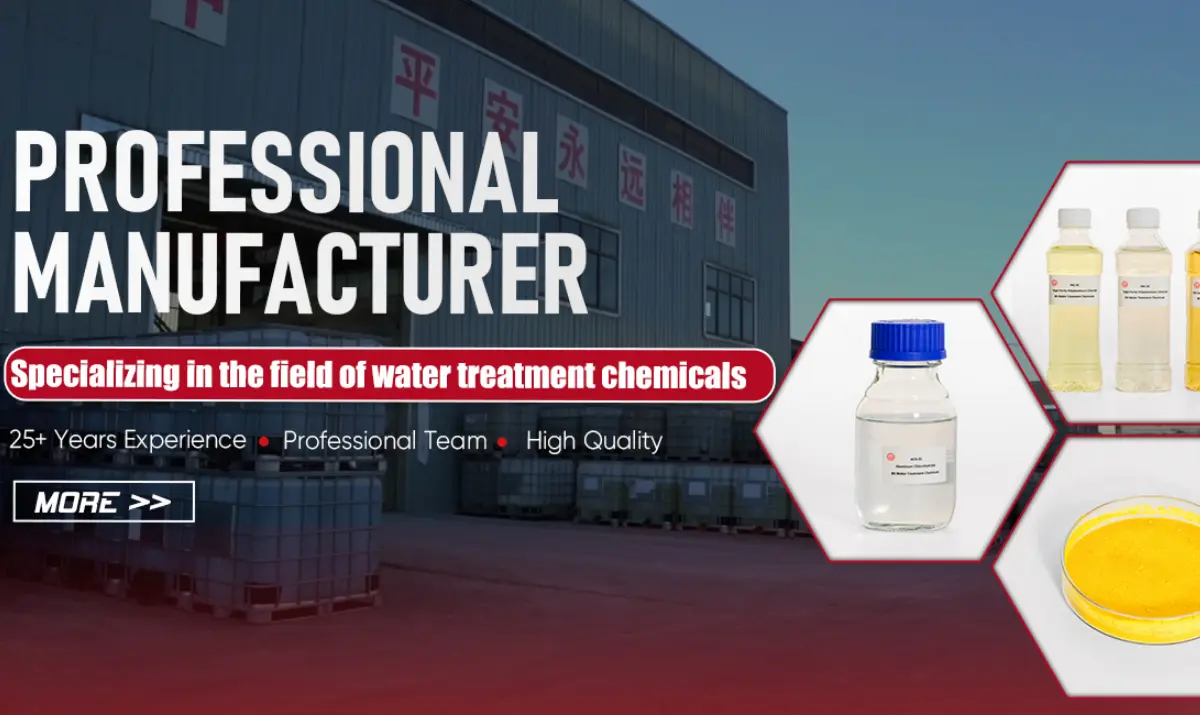
Direct-from-factory high-performance water treatment solutions optimized for municipal, industrial, and petroleum applications.
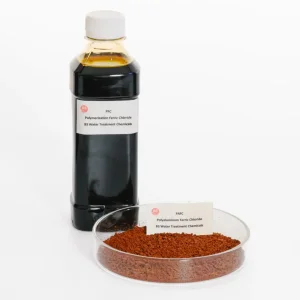
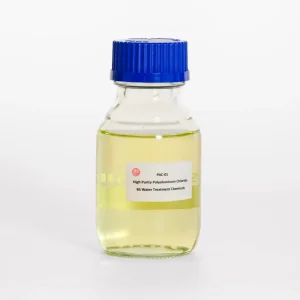
Established in 1998, Wuxi BS Water Treatment Chemicals Co., Ltd. stands as a premium technical pioneer in the development, synthesis, and global supply of advanced polymers and mineral-based coagulants. With decades of research and developmental progress, we supply tailored chemical formulas to drinking water authorities, major textile processors, mining complexes, and petroleum refining systems.
By integrating smart manufacturing lines, we guarantee consistent molecular weight distribution, high charge density, and strict compliance with international drinking water safety parameters.


A comprehensive technical analysis of charge neutralization, polymeric adsorption, and thermodynamic particle collisions.
In natural waters and industrial process waste, most suspended impurities exist as microscopic colloidal particles. These particles carry negative electrostatic surface charges (quantified as zeta potential), which generate mutual repulsive forces, preventing them from coalescing.
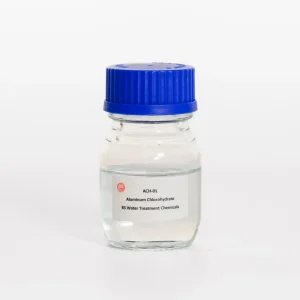
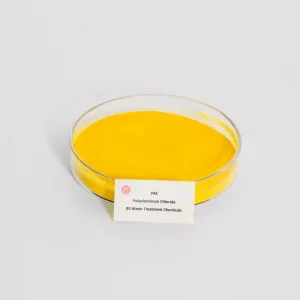
As a leading wholesale flocculation chemicals manufacturer, Wuxi BS designs primary inorganic coagulants like Poly Aluminium Chloride (PAC) and Aluminum Chlorohydrate (ACH) to deliver maximum cationic charge density. Introducing these highly charged polycations, such as the Al30 polymer species present in ACH, neutralizes the negative surface charge of colloids. This reduces the zeta potential toward zero, collapsing the electrical double layer and allowing Van der Waals attraction to bring the particles together.
| Chemical Agent | Al2O3 Content (%) | Basicity (%) | Dominant Coagulation Mechanism |
|---|---|---|---|
| Aluminum Chlorohydrate (ACH) | 23.0 - 24.5% | 82 - 85% | Charge Neutralization / Electrostatic Patching |
| High Purity PAC (PAC-01) | 29.0 - 30.5% | 40 - 60% | Sweep Flocculation / Charge Neutralization |
| PAFC (Polymeric Aluminium Ferric Chloride) | 26.0 - 28.0% | 50 - 85% | Co-precipitation / Heavy Floc Sedimentation |
When particles are destabilized, inorganic coagulants alone are often insufficient for large-scale, high-velocity settling. This is where macromolecular polymeric flocculants, specifically Polyacrylamide (PAM), become essential.
Our high-molecular-weight Anionic Polyacrylamide (APAM) and Cationic Polyacrylamide (CPAM) contain active polymer chains that adsorb onto multiple colloid particles simultaneously. This bridging mechanism forms large, durable flocs that can withstand shear forces in industrial decanters, centrifuges, and belt filter presses. CPAM is exceptionally effective for biological sludge conditioning due to its combination of positive charge neutralization and structural bridging.
Industrial effluents, particularly in textile dyeing, pulp and paper, and printing, contain highly stable, soluble organic dyes. Standard inorganic coagulants like alum or iron salts struggle to break down these complex chromophore structures.
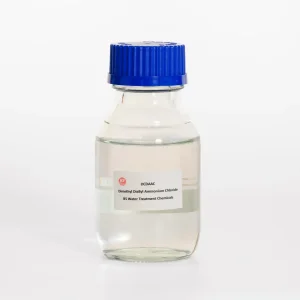
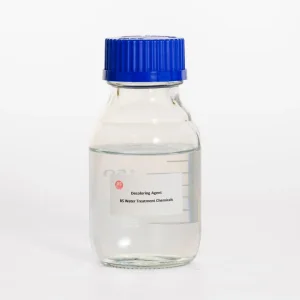
Wuxi BS manufactures a high-efficiency Water Decoloring Agent (WDA). WDA is a dicyandiamide formaldehyde derivative with a high cationic charge density. The primary mechanism involves active cationic polymer chains forming electrostatic complexes with soluble acid, reactive, or disperse dye molecules. This complexation renders the dye insoluble, initiating rapid flocculation and sedimentation.
How Wuxi BS leverages customized synthesis, laboratory trials, and industrial scaling to solve custom water quality challenges.
Our expert chemical engineers provide complete product life-cycle assistance, conducting custom jar tests and optimization to ensure smooth integration into your treatment setup.
With an annual sales volume exceeding 500,000 tons and a dedicated 20,000-ton warehouse, we secure reliable chemical supply chains for large-scale operations.
From testing raw materials to final batch inspections, our ISO-certified quality management processes ensure consistent purity, charge density, and performance.
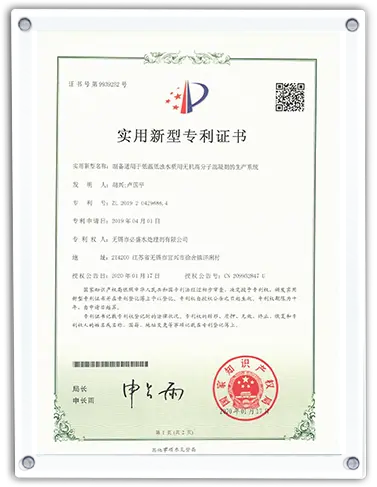
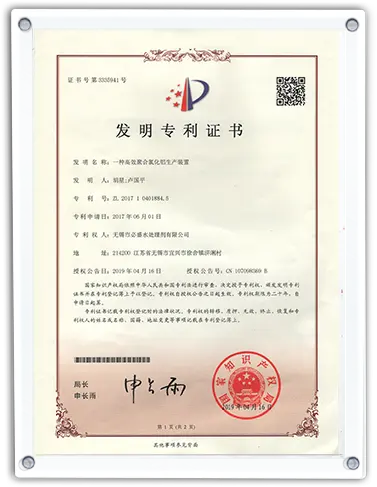
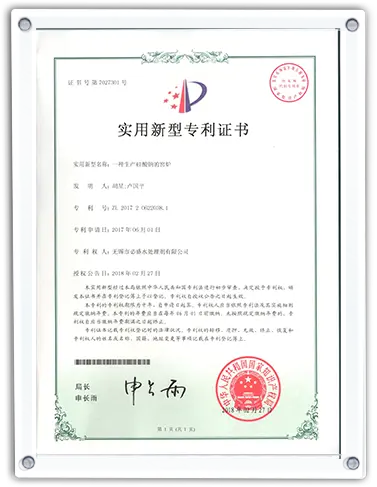
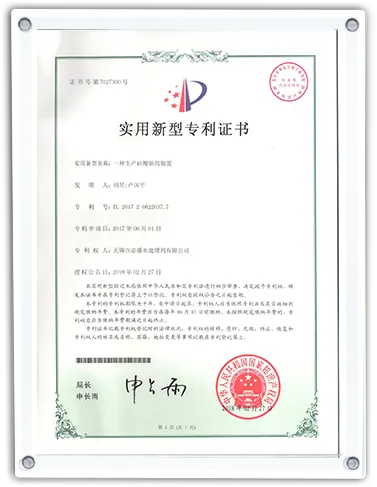
We continuously invest in polymer technology, developing high-purity, low-dust, and zero-caking formulations that outlast traditional alternatives.
Exporting to distributors and end-users worldwide since 2007, we manage logistics, customs clearance, and compliance for rapid delivery.
We configure active ingredients, basicity, molecular weights, and physical delivery forms (liquid/granule/powder) to match your localized treatment goals.
Analyzing how chemical treatment requirements vary by region and how our manufacturing infrastructure guarantees delivery.
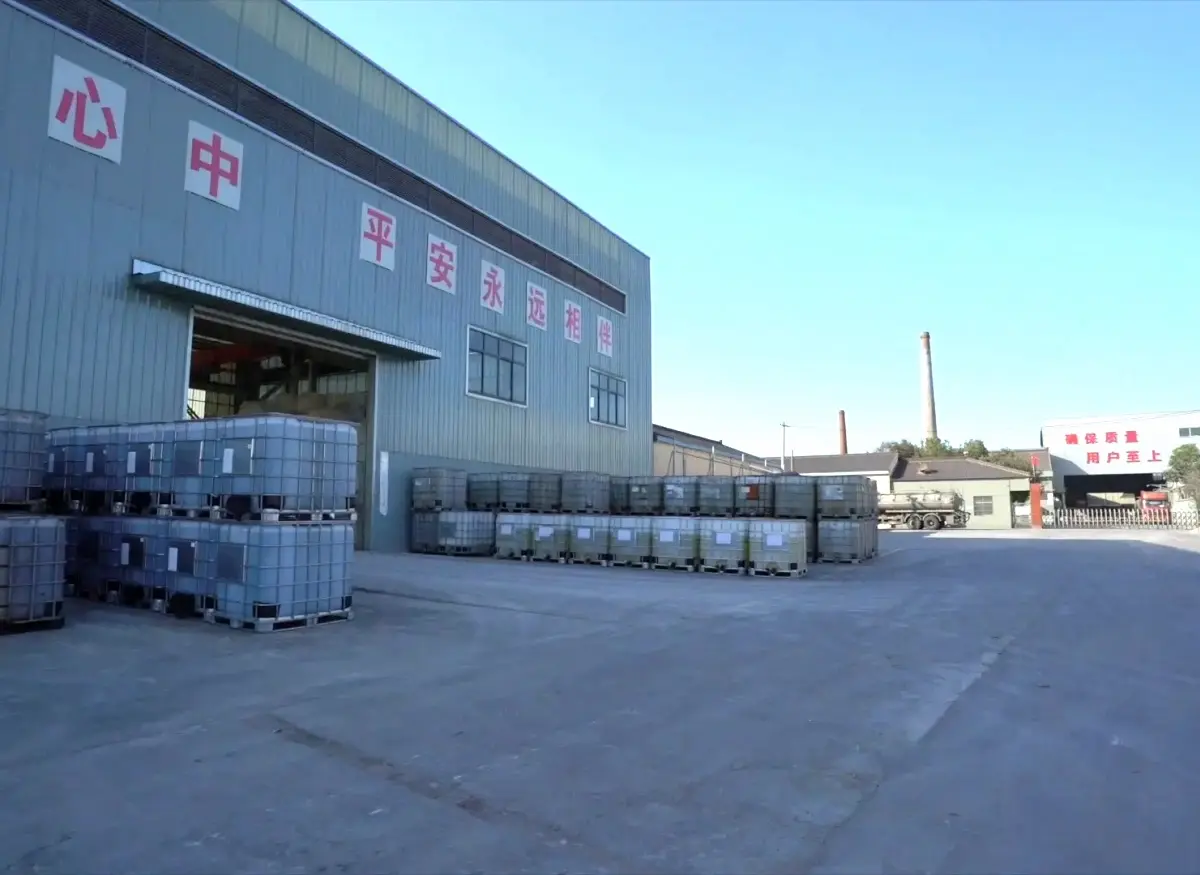
Wuxi Bisheng Water Treatment Agent factory established, focusing on localized industrial wastewater flocculants.
Renamed Wuxi Bisheng Water Treatment Agent Co., Ltd. and upgraded to computerized synthesis reactors.
Initiated direct global export operations, securing certifications for international markets.
Annual sales volume crossed $10 million, reflecting strong trust from municipal and corporate clients.
Expanded foreign trade operations and integrated smart logistical systems to guarantee lead times.
Developing eco-friendly, bio-based flocculants and smart dosing systems for next-generation treatment.
Raw material integration in China allows Wuxi BS to remain stable during market shortages.
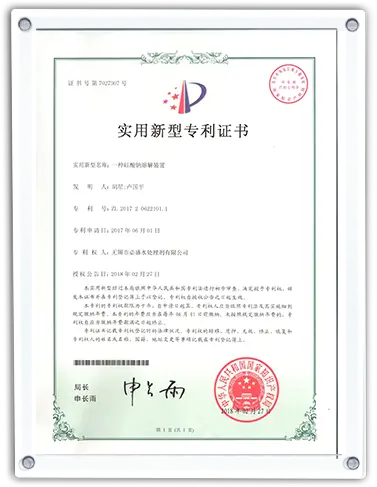
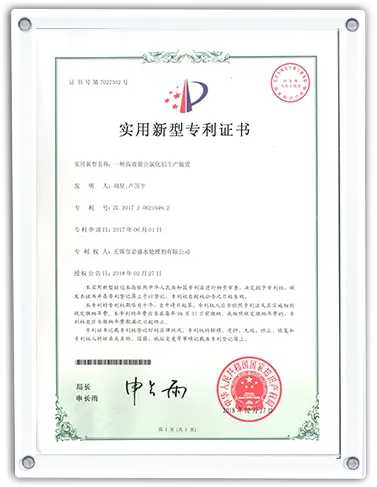
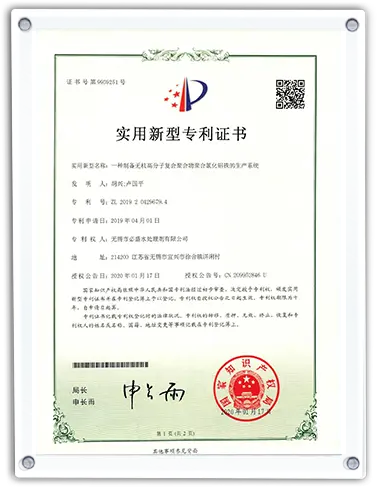
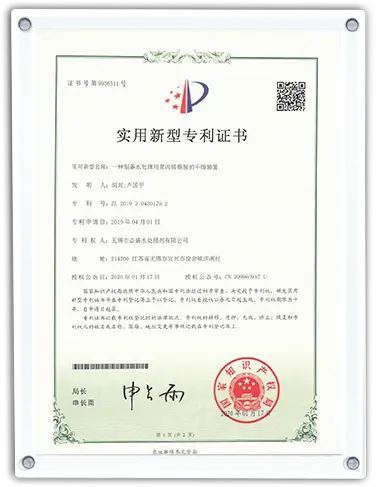
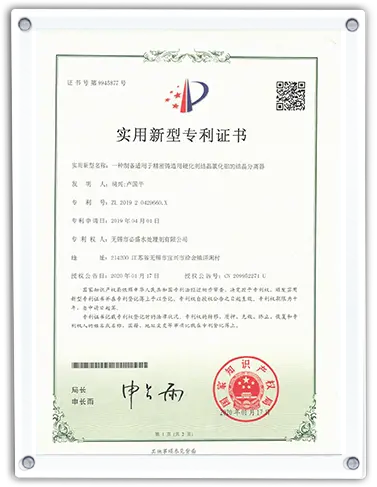
Our chemical products comply with international regulatory frameworks, including European REACH and NSF/ANSI Standard 60 for drinking water safety. Wuxi BS operates under certified ISO 9001 and ISO 14001 management protocols to ensure product consistency and ecological responsibility.

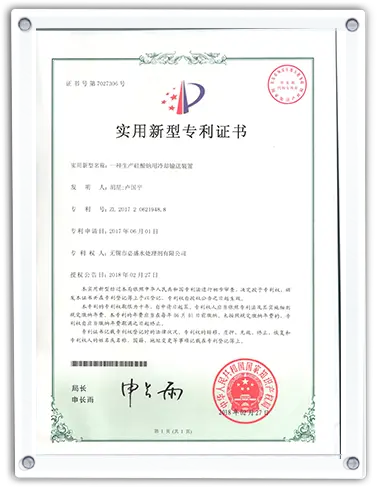
Expert insights on product application, chemical configurations, and handling guidelines.
Explore our specialized range of high-efficiency decolorizing agents and polymers ready for global container dispatch.
Stay updated on digital feeding technologies, industrial standards, and technical conferences.
 Sep 09, 2025
Exploring how Wuxi BS integrates localized expertise into global distribution channels, ensuring rapid delivery and chemical compatibility across international markets.
Read More →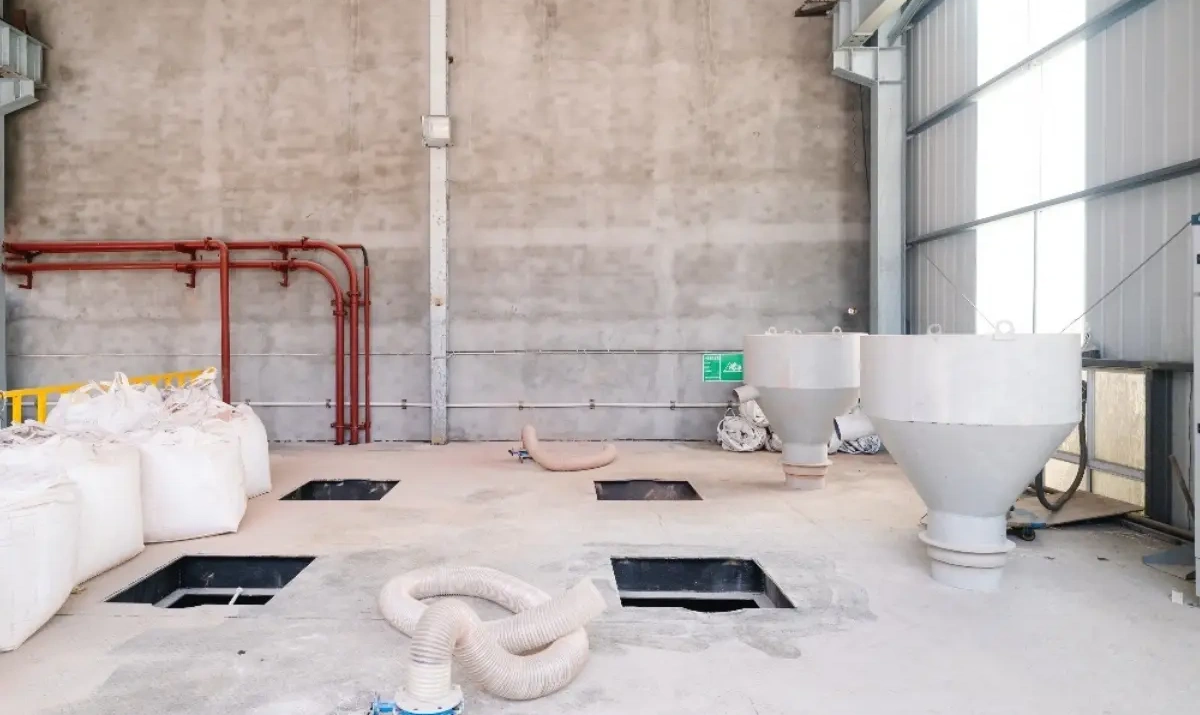 Aug 21, 2025
Wuxi BS officially launches advanced digital feeding systems, allowing plants to optimize real-time polymer dosing and minimize chemical waste.
Read More →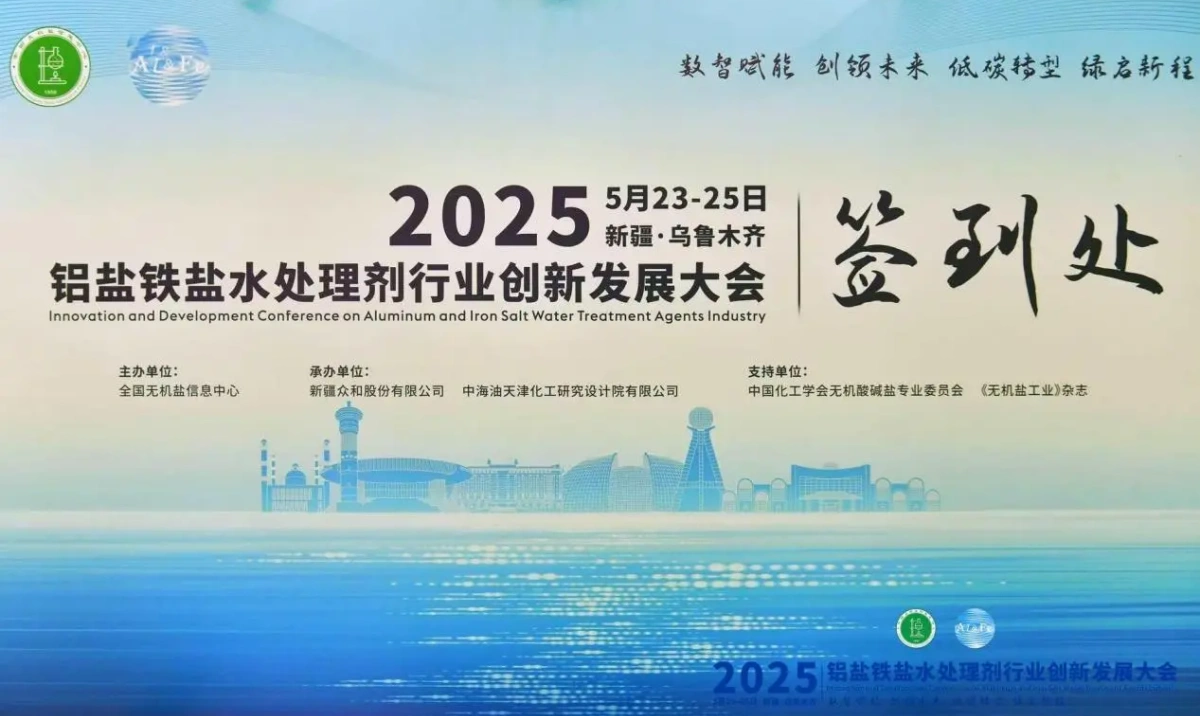 Aug 21, 2025
Key takeaways from the national chemical conference, highlighting eco-friendly initiatives and sustainable manufacturing processes for raw materials.
Read More →Send us your raw water analysis report. Our laboratory will help optimize your dosing levels and recommend the most cost-effective chemical solution.
 BS Water

