Explore our core formulation lines, spanning high-purity solids, liquid polymers, and advanced composite agents engineered for maximum colloidal instability.
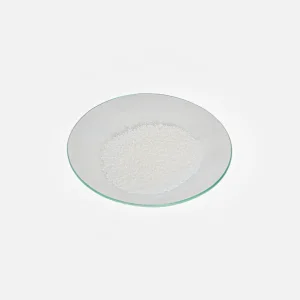
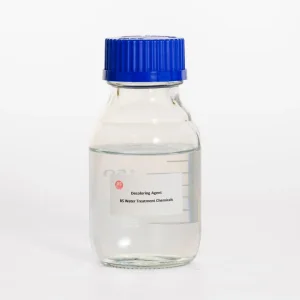
Within contemporary wastewater engineering paradigms, the removal of suspended solids, negatively charged colloids, and heavy metals relies heavily on the ionic dynamics of inorganic polymers. Polyaluminum Chloride (PAC) stands as the premier agent in this domain. As a highly hydroxylated aluminum complex, its charge neutralization capabilities are superior to those of traditional coagulants such as alum or ferric sulfate.
The chemical mechanism involves the formation of polynuclear aluminum complexes, particularly the $Al_{13}$ and $Al_{30}$ keggin-type molecules. These structures provide extremely high cationic charge densities, which effectively compress the electrical double layer surrounding negatively charged colloidal impurities. This facilitates rapid micro-floc formation, which is subsequently enhanced through sweep flocculation as aluminum hydroxide precipitates ($Al(OH)_3$). Understanding these complex dynamics allows water treatment plants to significantly reduce chemical dosing rates while improving clarity and settling velocity.
By adjusting the basicity of the PAC solution—typically defined as the ratio of hydroxyl to aluminum ions ($[OH]/3[Al]$)—treatment systems can be fine-tuned. High basicity PAC exhibits a high degree of polymerization, producing larger, denser flocs that settle rapidly and reduce overall sludge volume. This critical variable is carefully controlled in Wuxi BS Water Treatment's state-of-the-art chemical manufacturing facilities to ensure optimal performance across diverse water quality parameters.
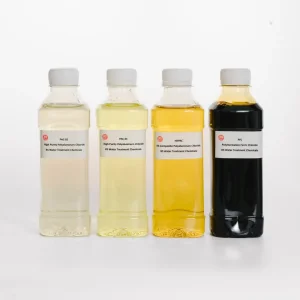
Wastewater configurations vary globally, demanding custom chemical formulations to balance pH sensitivity, organic load variations, and heavy metal concentrations. The comprehensive portfolio engineered by Wuxi BS Water Treatment Chemicals addresses this diversity with precision:
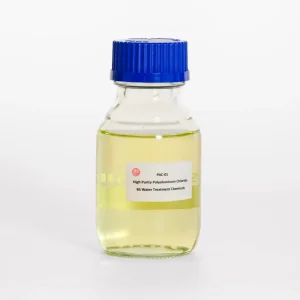
Available in solid spray-dried powder and high-concentration liquid formulations. Features active $Al_2O_3$ concentrations ranging from 10% to 30%. Excellent performance across broad temperature ranges with minimal pH disruption.
An ultra-high basicity aluminum source with up to 23% $Al_2O_3$. Designed for municipal drinking water systems and localized manufacturing where low residual aluminum levels are mandatory.
Offered in high-charge Cationic (CPAM) and Anionic (APAM) variants. These long-chain organic polymers act as bridges, transforming micro-flocs into massive aggregates ready for filter press or decantation systems.
Specialized cationic quaternary ammonium polymers optimized for dye-removal applications. Proven to destabilize highly soluble synthetic chromophores and reduce chemical oxygen demand (COD).
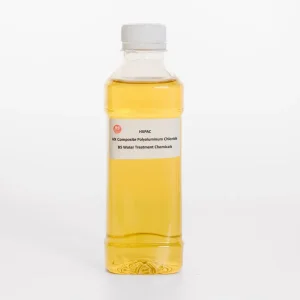
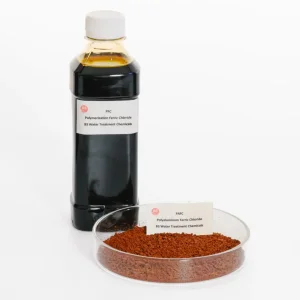
By combining these advanced polymeric agents with secondary inorganic-organic hybrid systems like Polymeric Aluminium Ferric Chloride (PAFC) or Composite Polyaluminum Chloride (CPAC), plant operators can target specific contaminants while maintaining operational efficiency.
The global water treatment chemical landscape is undergoing structural transformations. Key regulatory forces, including the European Union's updated Urban Wastewater Treatment Directive and the United States EPA's tightening of discharge standards for PFAS and heavy metals, are pushing operations toward high-performance coagulants.
Furthermore, the drive toward "Zero Liquid Discharge" (ZLD) is compelling companies to maximize recycle-and-reuse loops. Consequently, there is a clear trend toward high-purity spray-dried PAC and composite agents like PDADMAC, which reduce overall salt buildup in closed-loop industrial water systems compared to traditional alum.
Every industrial and municipal sector presents unique challenges in terms of water chemistry. Tailored chemical programs are required to address specific parameters like high grease content, varying solid loading, or pH shifts.
Municipalities require low residual aluminum content and minimal sludge generation. High-purity, spray-dried PAC-01 ensures compliant effluent quality with low dosage levels, minimizing chemical footprint and operational costs.
The high cellulosic fiber load in paper manufacturing runoff is efficiently captured by combining PAC with high molecular weight Cationic Polyacrylamide (CPAM). This combination accelerates fiber recovery and clarification.
Emulsified oil and complex organics require robust destabilization. Composite agents, including PAFC and PDADMAC, effectively break complex emulsions and isolate oil droplets, preventing fouling of downstream biological treatment systems.
Effluents containing active dyes are treated using specialized Water Decoloring Agents (WDA). The highly cationic polymer chain bonds with anionic dye molecules to create insoluble flocs that settle rapidly.
Decades of technological growth and manufacturing scale-up supporting global water safety.
Wuxi BS Water Treatment Chemicals factory established, focusing on primary coagulants for regional wastewater plants.
Re-organized and expanded as Wuxi Bisheng Water Treatment Agent Co., Ltd., upgrading to advanced spray-drying reactors.
Initiated export operations, delivering high-purity PAC and polymeric additives to international distributors.
Annual sales volume crossed $10 million, establishing key distribution partners in over 30 countries.
Established a dedicated Foreign Trade Department and introduced digital intelligent solid-feeding systems to optimize dosage accuracy.
From customized basicity ratios to specialized packaging, we adapt to your plant configuration.
We modify active $Al_2O_3$ concentrations and basicity levels to fit your source water properties, reducing the need for secondary pH adjustment.
We offer diverse packaging options, including 25kg bags, 1000kg IBC totes, and customized bulk liquid containers, ensuring safe transit and storage.
Our analytical labs perform jar testing and water quality evaluations to determine the most cost-effective dosage profiles for your system.
Entering international markets requires alignment with strict regulatory systems. Our high-purity PAC and ACH products comply with key international standards, including NSF/ANSI Standard 60 for drinking water treatment, European REACH regulations, and global ISO certifications.
By maintaining strict control over raw materials—specifically limiting heavy metal impurities like arsenic, lead, and cadmium—we ensure our chemicals are suitable for sensitive industrial and municipal applications.
Wuxi BS Water Treatment is focused on integrating digital technologies with chemical application. In August 2025, we launched a line of digital intelligent solid-feeding equipment designed to adjust chemical dosage dynamically based on real-time inflow metrics.
Our development roadmap focuses on composite organic-inorganic polymers that reduce overall chemical usage, as well as production modifications aimed at lowering carbon footprints across our manufacturing footprint.
Technical answers to common engineering, procurement, and application questions.
Supplementary polymeric compounds designed to optimize flocculation density, dewatering rates, and effluent clarity.
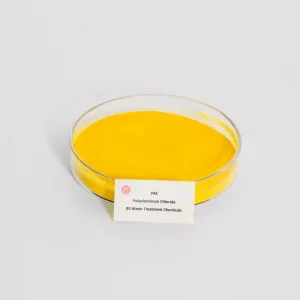
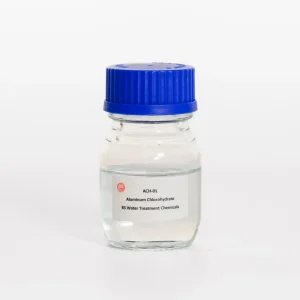
Connect with our engineering and sales teams to request samples, detailed specifications, or pricing information.
 BS Water