Water Decoloring Agent Manufacturer & Factory in the Austria Market

Leading High-Performance Organic Coagulants & Flocculants for Industrial Wastewater Decoloration and Advanced Pulp & Paper Refining.

27+
Years Industry Experience
500k+
Annual Sales Volume (Tons)
20k+
Finished Product Inventory (Tons)
1000+
Global Companies Served

Featured High-Performance Formulations for Austria

Advanced chemical agents engineered for rapid color removal, suspended solids coagulation, and superior sludge dewatering in compliance with stringent European environmental directives.
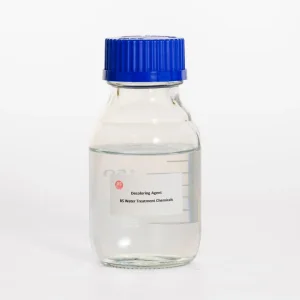
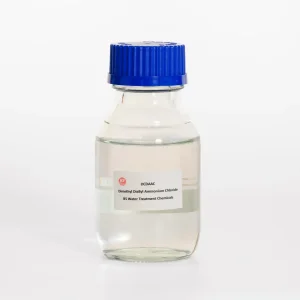
High Efficient Water decoloring agent (WDA)

High-Efficiency Water Decoloring Agent (WDA) for Austrian Industrial Effluent

Technical Data Sheet
Poly(diallyldimethylammonium chloride) PDADMAC

Premium Cationic PDADMAC Coagulant for Austrian Municipal & Industrial Systems

Technical Data Sheet
Anionic Polyacrylamide (APAM) Flocculant

Anionic Polyacrylamide (APAM) Flocculant for Austrian Mineral Extraction & Processing

Technical Data Sheet
Advanced Composite Polyaluminum Chloride

Advanced Composite Polyaluminum Chloride (CPAC) for Rapid Clarification in Austria

Technical Data Sheet

Austria Industrial Wastewater & Decoloration Landscape

A comprehensive review of regulatory compliance, chemical kinetics, and sustainable water treatment strategies within Central Europe.

Austrian Regulatory Framework & Environmental Challenges

Austria maintains some of the most rigorous water quality regulations in the European Union under the Austrian Water Act (Wasserrechtsgesetz - WRG) and the Federal Waste Management Plan (Bundes-Abfallwirtschaftsplan). Industrial facilities—particularly paper and pulp manufacturing in Upper Austria and Styria, along with specialized textile coloring facilities in Vorarlberg—are faced with absolute color limits, COD (Chemical Oxygen Demand) reduction targets, and strict bio-toxicity constraints prior to public sewer system injection or natural waterway discharge.

Standard municipal and biological treatments often struggle with the highly stable, complex polymers present in synthetic dyes, printing inks, and organic pulp washwaters. Organic substances like tannins, lignins, and azo dyes cannot be broken down quickly by standard microbes, and traditional inorganic coagulants (like Alum or standard Ferric salts) produce immense volumes of heavy metal sludge. This sludge triggers high disposal fees under local Austrian landfill and incinerator levies. Achieving effective color elimination without creating secondary pollution is a major operational requirement for Austrian industrial water managers.

Austrian industrial water purification process

Technical Analysis: Polymer Chemistry in Color Removal

Our Water Decoloring Agent (WDA) is a highly cationic copolymer based on dicyandiamide-formaldehyde resin. Chemically designated as a quaternary ammonium polymeric compound, its macromolecular backbone contains a dense distribution of active positively charged cationic groups. When introduced into industrial wastewater containing dissolved anionic pollutants (which comprise the vast majority of industrial reactive dyes, direct dyes, acid dyes, and organic lignin molecules), the reaction proceeds via three distinct, highly synchronized steps:

  • Electrostatic Charge Neutralization: The multiple quaternary ammonium groups actively attract the negative sulfonic, carboxylic, or hydroxyl groups on the organic dye molecules. This neutralizes the electrostatic repulsion holding the dye particles in stable suspension.
  • Bridging and Hydrophobic Association: Once neutral, the dye-polymer aggregates are bound together by the long carbon-nitrogen chains of the dicyandiamide resin. The hydrophobic properties of the copolymer push the neutralized complex out of the water phase.
  • Macro-Flocculation and Rapid Precipitation: The micro-flocs coalesce into dense macro-flocs. By adding micro-doses of Anionic Polyacrylamide (APAM) or Polyaluminum Chloride (PAC), these flocs aggregate further, resulting in complete precipitation and leaving a highly clear supernatant.

This multi-charge neutralization mechanism allows the WDA to operate efficiently at dosage rates 40% lower than conventional inorganic coagulants, and reduces total chemical sludge output by up to 60%.
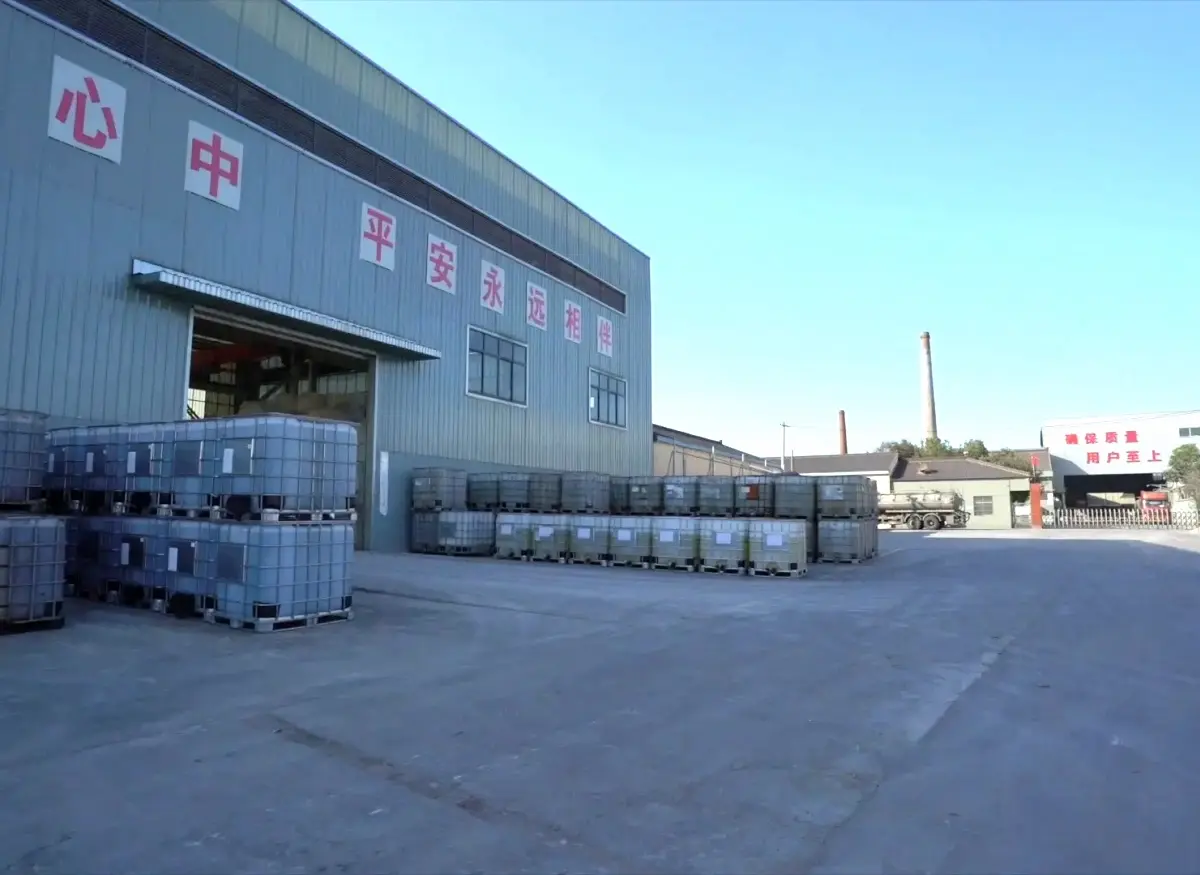
BS Water chemical analysis laboratory

Strategic Sourcing: Wuxi BS Water Treatment Chemicals Co., Ltd.

Established in 1998, Wuxi BS Water Treatment Chemicals has built a reputation over 27 years as a developer of highly cationic and polymeric water processing agents. Operating out of advanced manufacturing sites in China, we leverage vertical raw material integration to maintain direct control over chemical quality and logistics.

Our production facilities generate over 500,000 tons of water treatment products annually, supported by a continuous 20,000-ton inventory strategy. This guarantees Austrian and European distributors, industrial plants, and environmental engineering partners consistent supply even during peak seasonal demands. Every batch undergoes automated polymerization control, HPLC purity checks, and dynamic viscosity verification to ensure compliance with European standards, including REACH-ready chemical declarations.

Localized Application Scenarios in Austria

How our Water Decoloring Agents and Flocculants are applied across various Austrian industrial and municipal sectors.

Pulp & Paper Mill Lignin Removal

High-efficiency removal of colored lignin derivatives and residual hemicelluloses from brownstock washing effluent. Significantly lowers biological load (BOD/COD) and prevents discoloration downstream in rivers like the Danube or Mur.

Vorarlberg Textile Dyehouse Effluents

Engineered to target reactive, direct, and acid dyes. Our cationic polymer binds quickly with organic dye complexes, resolving color issues in local wastewater operations.

Linz Chemical Park Pretreatment

Used as an initial conditioning agent for high-density organic wastewater. Enhances the performance of downstream membrane systems (UF/RO) by minimizing organic fouling.

Strategic Integration & Global Supply Chain Advantages

Combining R&D expertise, vertical manufacturing, and logistics to deliver cost-effective chemicals to Austria.

1. Raw Material Vertical Integration

Our manufacturing complex maintains direct supply lines for raw chemical intermediates, including dicyandiamide, epichlorohydrin, and dimethylamine. By bypassing external suppliers, we minimize cost fluctuations and guarantee high chemical purity. This control extends to the polymer structure, allowing us to manage charge density and molecular weight distributions during synthesis.

2. Custom-Engineered Formulations (OEM/ODM)

Wastewater composition varies based on raw materials, production processes, and recycling loops. Our technical team works directly with clients to run jar testing and laboratory optimization, adjusting pH sensitivity, viscosity, and polymer active content (from 50% down to custom concentrations) for optimal local performance.

3. Optimized Intercontinental Logistics

Strategically located near East China transportation networks, we coordinate multiple logistics pathways to Austria:

  • Maritime Route: Direct shipping containers to European ports like Hamburg, Rotterdam, or Koper, followed by rail transport into logistics hubs in Linz, Vienna, or Graz.
  • Eurasian Rail Freight (Silk Road): Direct containerized transport from Chinese terminals straight to Austrian dry ports. Reduces transit time to 15-18 days for urgent inventory restocks.

All liquid chemicals are packaged in durable, export-grade containers, including 25kg PE drums, 250kg tight-head drums, and 1250kg IBC tanks, complete with anti-freeze protection for Alpine winter shipping.

Extended Coagulant & Flocculant Portfolio

A full range of water treatment products for municipal facilities and industrial plants across Austria.
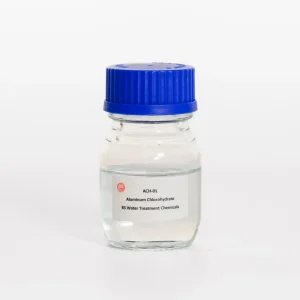
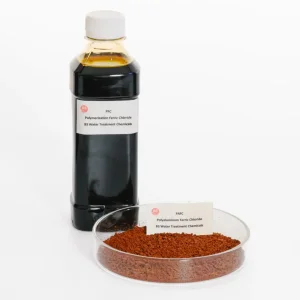
Wholesale Poly Aluminium Chloride

Compound Poly Aluminium Chloride (PAC) for Austrian Wastewater Plants

Technical Data Sheet
Wholesale High Basicity Aluminum Chlorohydrate

High Basicity Aluminum Chlorohydrate (ACH) for Austrian Drinking Water Treatment

Technical Data Sheet
China PDADMAC Suppliers High Quality

Polydiallyldimethylammonium Chloride (PDADMAC) Liquid Flocculant

Technical Data Sheet
Polymeric Aluminium Ferric Chloride

Polymeric Aluminium Ferric Chloride (PAFC) for Austrian Sludge Dewatering

Technical Data Sheet
China CPAC Composite Polyaluminum Chloride

Superior Composite Polyaluminum Chloride (CPAC) Solutions

Technical Data Sheet
Wholesale Polyaluminium Chloride Liquid

Polyaluminium Chloride (PAC) Liquid (10%-15% Active Ingredient) for Austria

Technical Data Sheet
Wholesale High Quality PDADMAC

High-Quality Liquid PDADMAC for Austrian Pulp and Paper Mills

Technical Data Sheet
Wholesale Anionic Polyacrylamide Suppliers

High-Molecular-Weight Anionic Polyacrylamide (APAM) for Austrian Wastewater

Technical Data Sheet

Technical FAQ & Expert Consultation

Answers to common questions about water decoloring polymers, packaging, dosage, and system optimization.

1. What is the optimal pH range for WDA application in industrial wastewater?
Our Water Decoloring Agent is effective across a pH range of 5.0 to 10.0, but generally performs best under slightly neutral to alkaline conditions (pH 7.0 - 9.0). If you are processing acidic effluent, adjusting the pH with sodium hydroxide (NaOH) or lime before dosing the decoloring polymer can improve floc stability and speed up clarification.
2. Does WDA meet EU REACH standards for import into Austria?
Yes, all products shipped to the EU comply with REACH requirements. We provide full safety documentation, including SDS (Safety Data Sheets) in German and English, technical specifications, and declarations of conformity.
3. Can this agent replace Inorganic Coagulants like Polyaluminum Chloride?
While WDA can serve as a standalone color remover, it is often more cost-effective to use it alongside Polyaluminum Chloride (PAC) or Aluminum Chlorohydrate (ACH). In these setup configurations, the WDA works to neutralize the organic dye complexes, while the PAC aggregates the resulting micro-flocs, which reduces total chemical costs.
4. How is the product packaged for transport, and what is its shelf life?
We supply the product in 25kg plastic drums, 250kg blue drums, and 1250kg IBC totes. Kept in a dry, ventilated area out of direct sunlight and temperatures between 5°C and 30°C, the chemical remains stable for 12 months.
5. What is the typical dosage requirement for textile wastewater?
Dosage rates vary depending on wastewater concentration and dye types. Average doses range from 20 to 150 ppm (20 - 150 ml of chemical per cubic meter of wastewater). We recommend running a lab-scale jar test to identify the precise dosage and prevent over-dosing, which can restabilize the dye particles.

Request a Custom Quote & Free Sample Delivery

Send us details about your wastewater system, current color levels, and volume. Our laboratory team will analyze your requirements and provide a customized formulation proposal.