Optimized for rapid color removal, heavy floc settlement, and DENR standard compliance in Metro Manila's industrial regions.
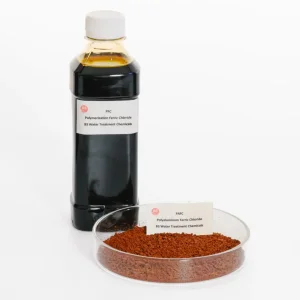
Metro Manila, the economic heart of the Philippines, faces intense environmental pressures. The concentrations of textile dyehouses in Rizal (especially around Taytay and Cainta), paper recycling mills in Valenzuela, and industrial manufacturing estates in nearby Cavite and Laguna generate high volumes of heavily colored, organically complex effluents. Standard physical screening or traditional inorganic coagulants like basic alum fail to disrupt the molecular structure of modern synthetic azo dyes, reactive dyes, and acid dyes used in industrial production.
This persistent discharge carries complex chemical properties that block sunlight penetration in vital local river networks, including the Pasig River, Marikina River, and the Laguna de Bay basin. The result is rapid oxygen depletion, eutrophication, and severe damage to freshwater aquatic life. To protect these vulnerable ecosystems, industrial operators are under intense regulatory scrutiny to eliminate dye pollutants and reduce chemical oxygen demand (COD) at the source.
The Philippine Department of Environment and Natural Resources (DENR) enforces strict water quality controls through the Administrative Order No. 2016-08 (DAO 2016-08) and the updated General Effluent Standards under DAO 2021-19. Effluent discharge parameters for color are measured strictly in ADMI (American Dye Manufacturers Institute) or Pt-Co units, with standard limits capped at 50 ADMI for Class C inland waters.
Our complete chemical line for advanced water purification and industrial sludge separation.
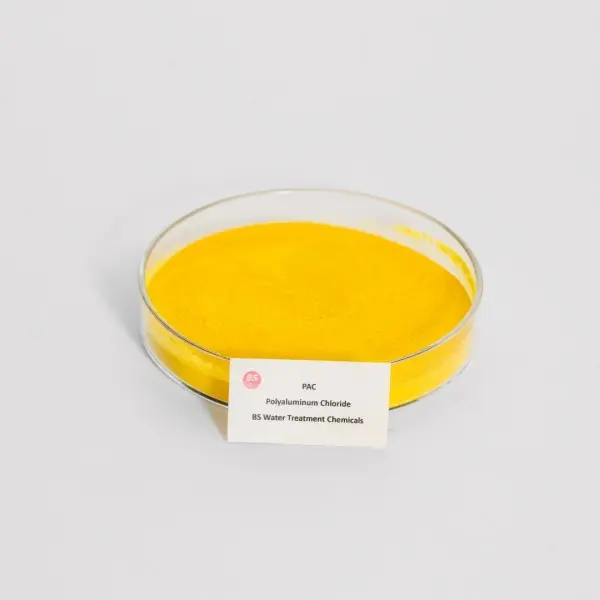
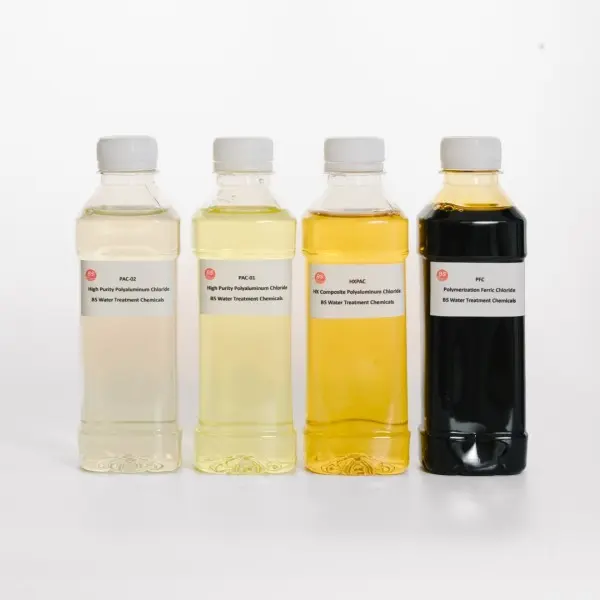
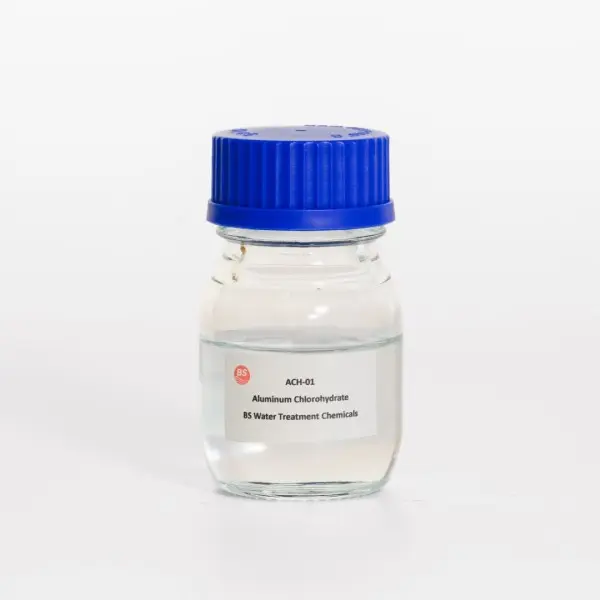
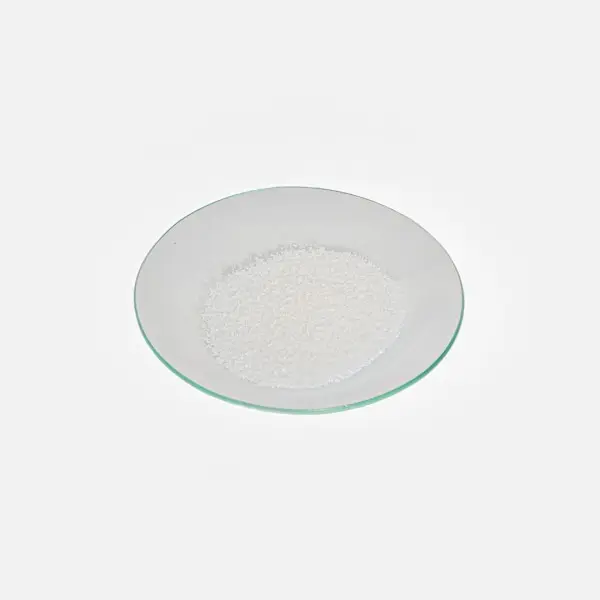
The molecular engineering behind dicyandiamide-formaldehyde polymer synthesis and functional coagulation.
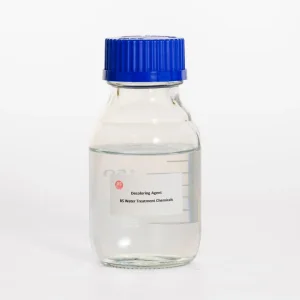
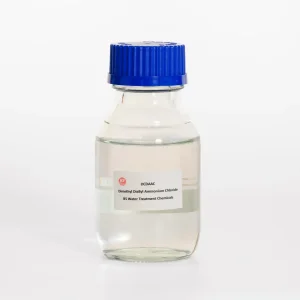
Our water decoloring agent is synthesized via step-growth polymerization of dicyandiamide with formaldehyde under strictly monitored acidic conditions. This reaction forms high-density cationic polymers with quaternary ammonium groups, creating a strong positive surface charge optimized to attract negative dye sites.
When dissolved in wastewater, the cationic sites on the polymer chain instantly bind to anionic sulfonate or carboxylate groups present on dye molecules. This neutralizes the electronegative repulsion that keeps dye particles suspended, causing immediate physical destabilization.
Following charge neutralization, the hydrophobic backbone of the dicyandiamide resin structure initiates rapid adsorption. Soluble dye complexes wrap around the macromolecular chains, separating from the water phase to form dense insolubles.
Adding Polyaluminum Chloride (PAC) or Polyacrylamide (PAM) initiates sweep flocculation. The small destabilized dye particulates are gathered into large, shear-resistant flocs that settle rapidly, allowing clear water extraction and simplified sludge handling.
Founded in 1998, Wuxi BS Water Treatment Chemicals Co., Ltd. has established itself as an innovative force in polymer synthesis for environmental remediation. With 27 years of deep chemical development, our engineering teams provide customized water treatment formulations to industrial clients worldwide.
Our focus on technical excellence covers drinking water purification, complex dyehouse effluent treatment, paper manufacturing chemistry, and petrochemical wastewater management. We maintain continuous quality standards by monitoring every batch from initial reactor polymerization to the final packaging stage.
Connect with our Technical Director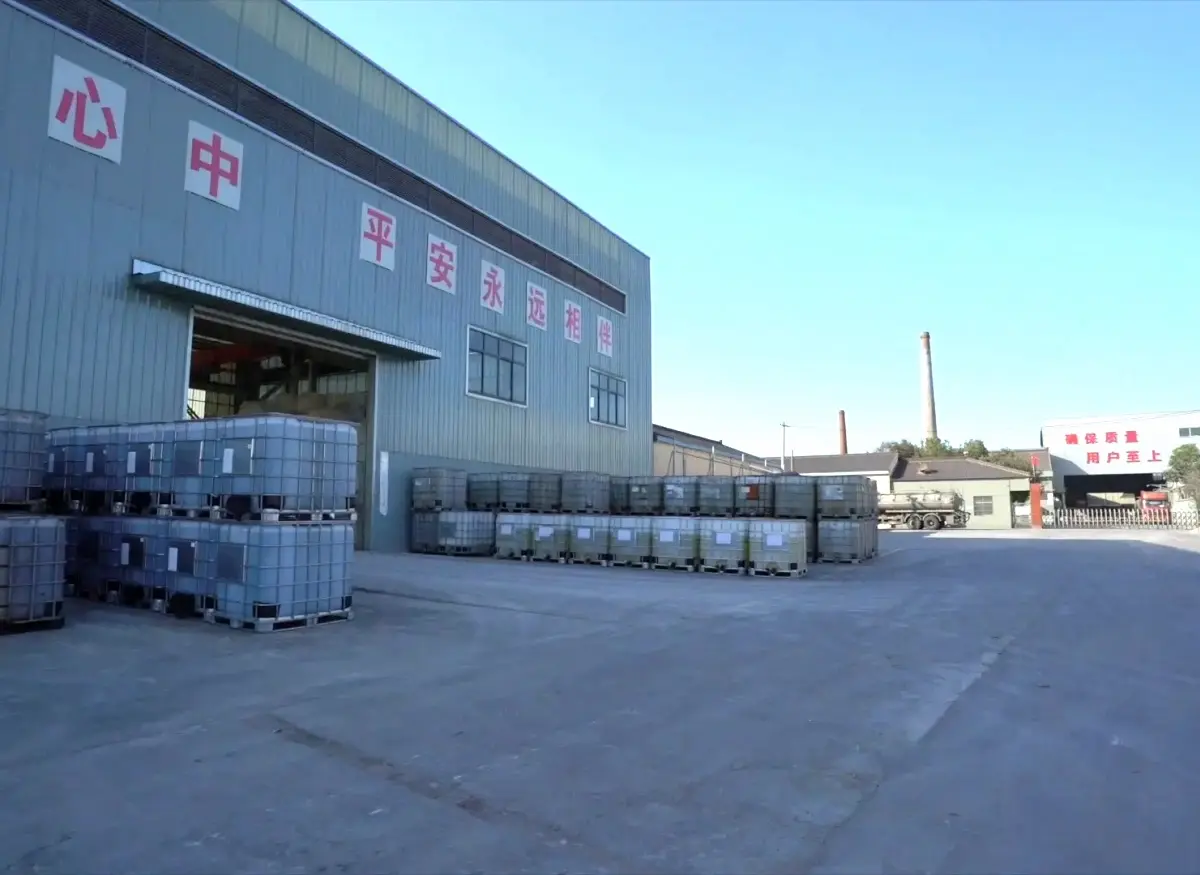
Our modern plant utilizes a Distributed Control System (DCS) to manage feed ratios, thermal profiles, and reaction times within the polymerization loops. This automated process minimizes batch-to-batch variation, ensuring stable performance for downstream industrial water treatment processes in Manila.
We source key raw materials, including dicyandiamide and monomer intermediates, through structured, long-term supply agreements. This direct factory control insulates our pricing from localized market spikes and maintains consistent chemical supplies even during global logistics disruptions.
Wuxi's close proximity to major shipping ports like Shanghai and Ningbo enables rapid loading and dispatch. This geographic advantage allows us to offer short lead times for international orders, helping Manila-based customers reduce inventory carrying costs.
Targeted solutions designed to treat high-organic, heavily dyed wastewater across key manufacturing sectors.
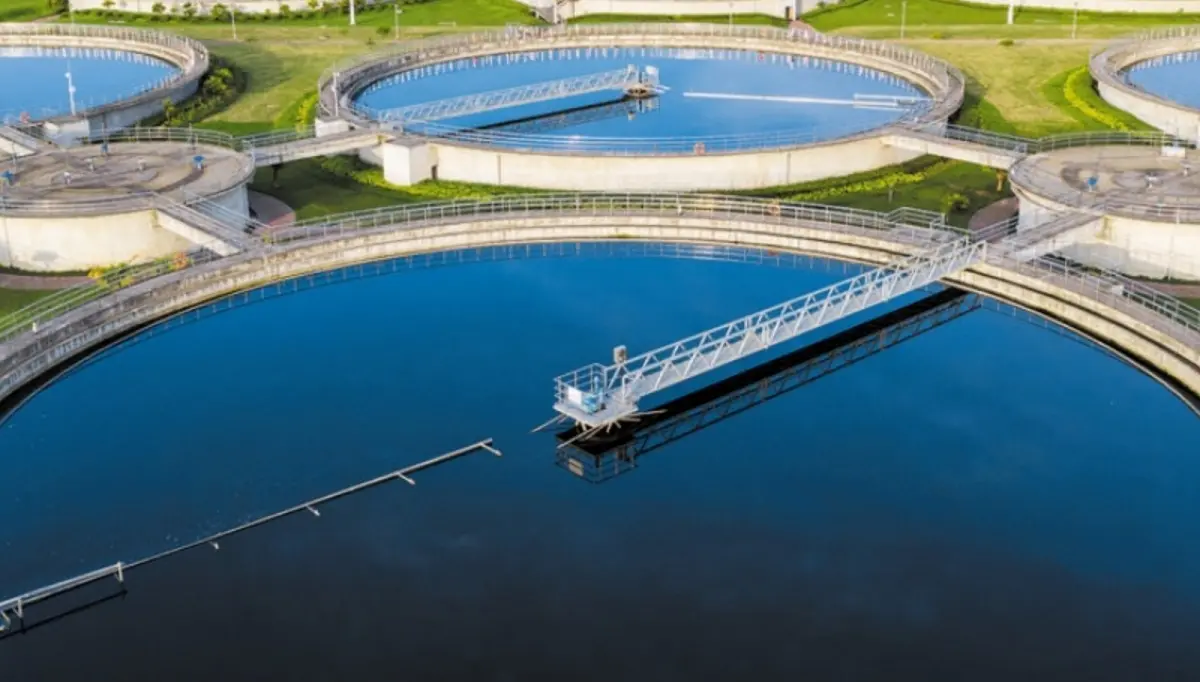
Assists municipal wastewater facilities in removing organic compounds, reducing biological oxygen demand (BOD), and managing heavy sludge compaction.
Request System Evaluation →
Optimizes oil-water separation systems by breaking emulsion boundaries, clearing complex organics, and preparing process streams for reuse loops.
Request System Evaluation →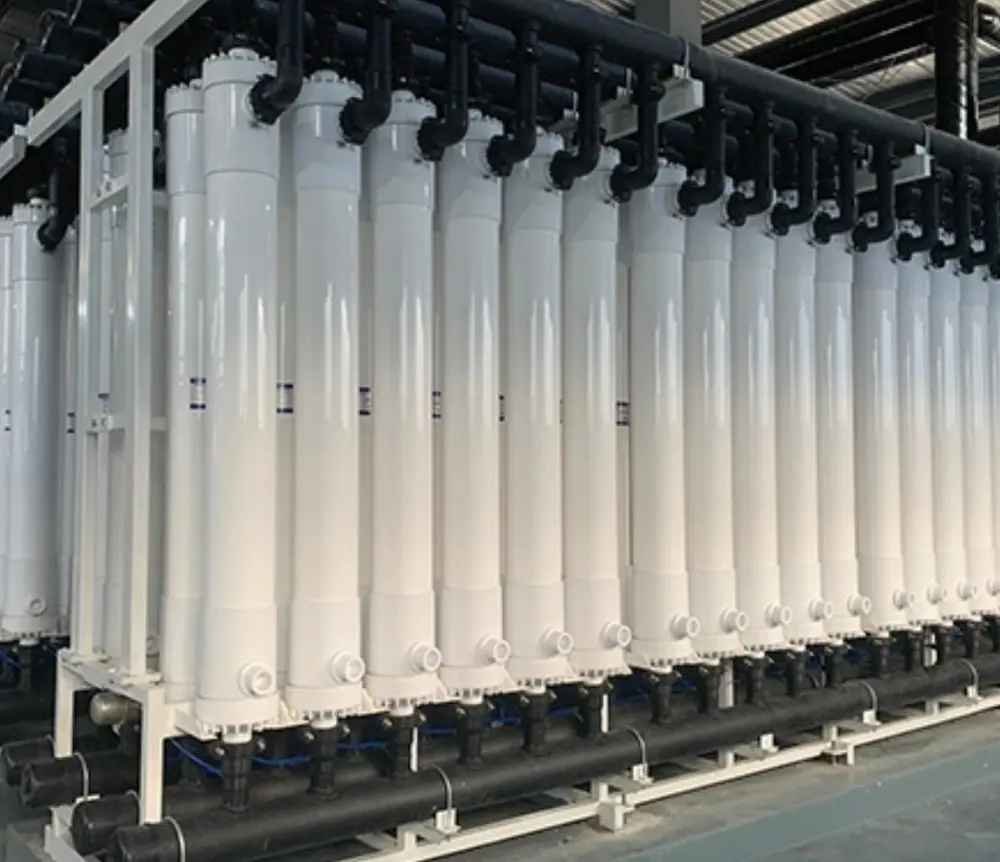
Flocculates colloidal solids and macromolecular organics before filtration, extending membrane service life and reducing operational fouling.
Request System Evaluation →Continuous evolution in advanced polymer engineering since 1998.
Industrial synthesis facility established, beginning production of water coagulant systems.
Reorganized as Wuxi Bisheng Water Treatment Agent Co., Ltd., expanding polymerization reactor capacities.
Initiated direct chemical exports to international distribution partners and industrial end-users.
Annual export sales reached USD 10 million, reflecting strong adoption of our cationic polymer formulations.
Established our dedicated foreign trade department to provide direct service and technical support to international markets.
Developing biodegradable, eco-friendly polymer backbones to support advanced wastewater recycling initiatives.
Direct supply for water purification systems, sludge dewatering plants, and specialized industrial manufacturing processes in Manila.
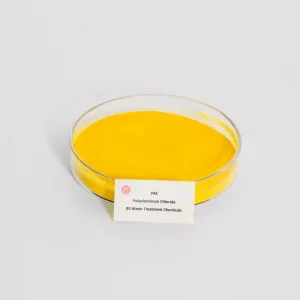
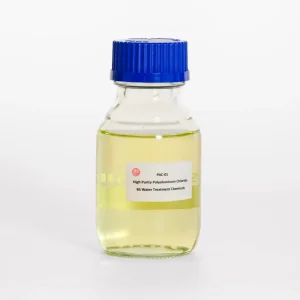
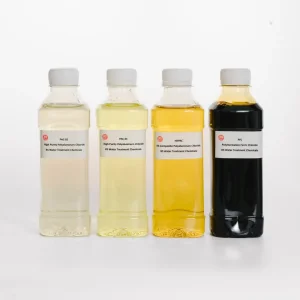
Additional polymer formulations designed to optimize wastewater treatment and industrial separations.
Key technical answers for process engineers operating industrial water treatment plants.
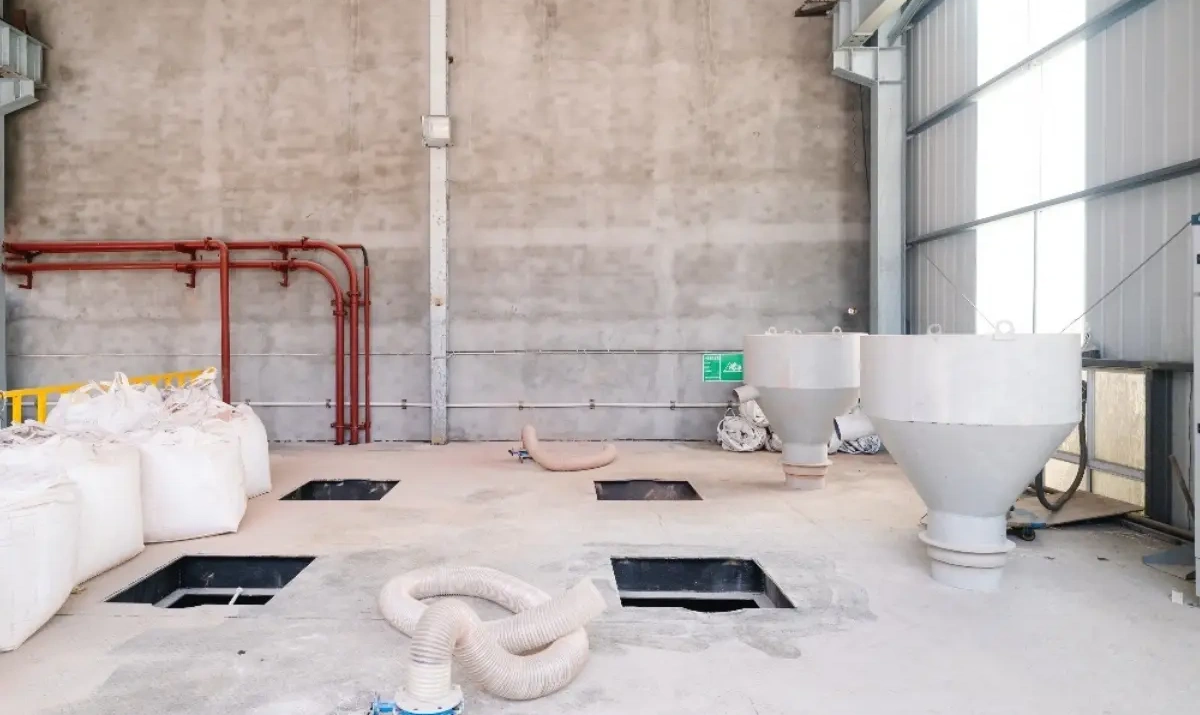
Introducing digital solid chemical feeding systems to improve dosing accuracy for large wastewater treatment operations.
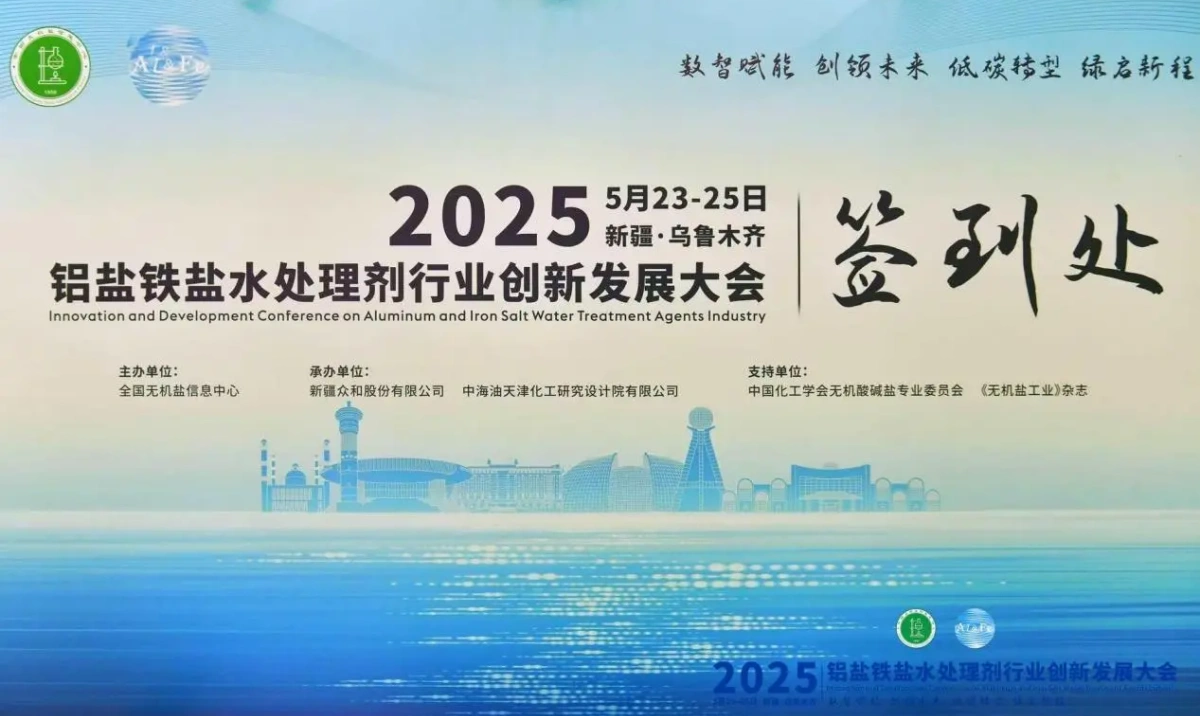
Participating in the regional development conference to support industrial carbon neutrality goals.
Reach out to our application engineers for help with chemical selectability, dosage calculations, and system design.


 BS Water